
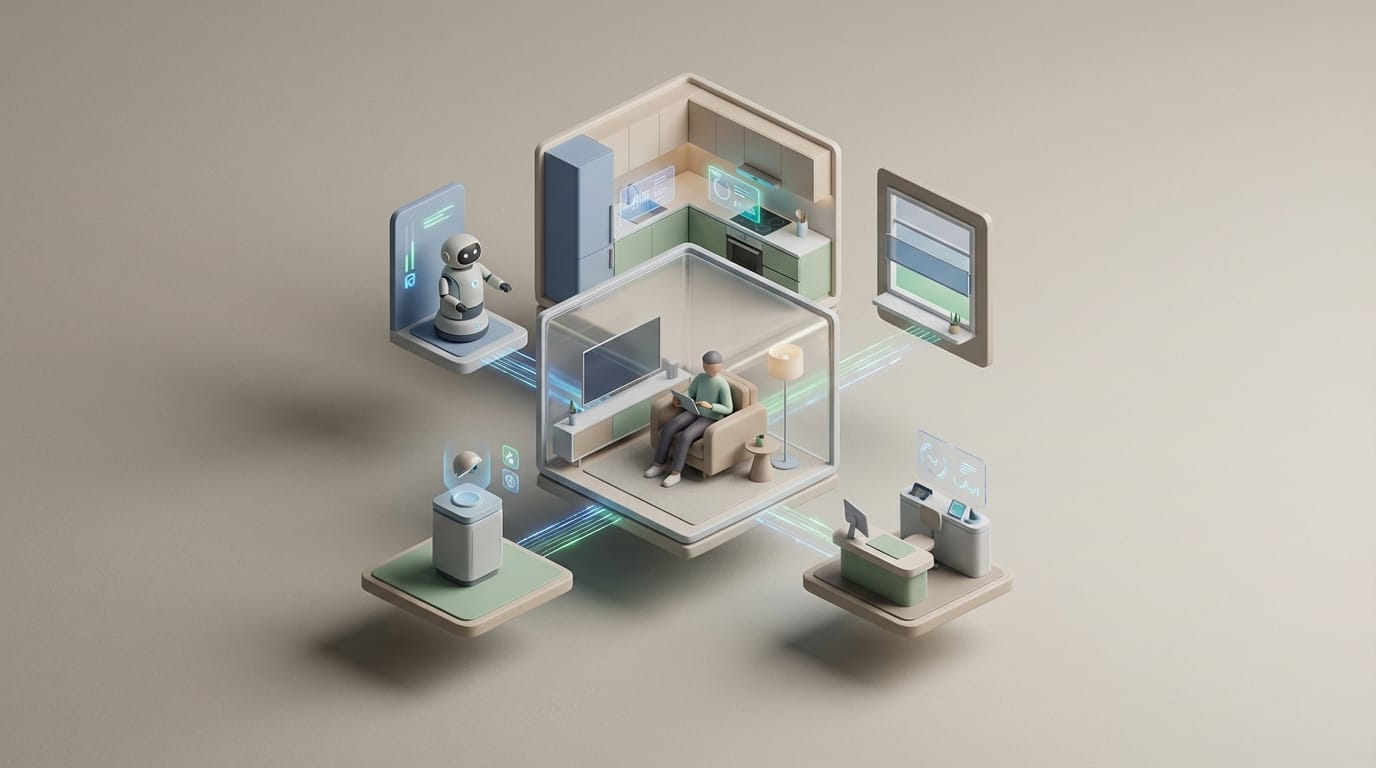
Living alone now requires more than just avoiding emergencies; it demands a way to manage daily needs through smart data. For many adults, adopting smart solutions for solitary living marks a shift from relying on others to reaching a state of data-backed autonomy. Most adults aged 65 and older choose to stay in their own homes, according to market analysis from Aging and Health Technology Watch, and this trend forces a change in how we design our living spaces. When we view the smart home as a system, it becomes an extension of a person’s ability to run their own world. It is a group of tools working together to keep a baseline of safety and comfort. By moving away from reactive tech like help buttons and toward data analysis, people keep their dignity while the home meets their needs before a crisis starts.
The goal is to change the user from someone who simply receives care to someone who manages their own life metrics. This approach treats technology as a way to improve a person’s lifestyle. When a system learns what a “normal” day looks like for a specific person, it can provide small insights that allow for early changes in health or routine. This keeps independence alive for as long as possible. The home stops being a place where one is watched and starts being a place where one is supported by invisible logic.
Smart Solutions for Solitary Living: From Surveillance to Self-Management
Early assistive tools focused on surveillance; they sent alerts to someone else when things went wrong. Modern smart solutions for solitary living flip this model to prioritize self-management. Instead of a camera watching a room, sensors now track movement patterns. These sensors notice when a routine changes from the usual path without taking away a person’s visual privacy. This shift ensures that the resident remains the primary person in charge of their information and their space.
Moving from emergency response to daily improvement
Older emergency systems waited for a crisis to happen and required the user to press a button. Modern systems use data patterns to find small shifts in behavior, such as moving less in the kitchen or sleeping longer. These signs might point to a slow health issue that a person has not noticed yet. By making the home better for daily life, these systems remove the stress of living alone. Users can focus on their hobbies and goals rather than their physical limits. The technology acts as a quiet partner that handles the background details of home safety.
How data provides dignity for the individual
Dignity through data means that personal information belongs to the individual first. When a user sees their own sleep habits, activity levels, and body trends, they can make smart choices about their health. They decide when to share certain facts with family or doctors. This turns a “check-in” call into a talk based on clear facts. It removes the shame of being monitored and replaces it with the power of being informed. Instead of feeling watched, the resident feels equipped to manage their own well-being.
Environmental Automation Creates Safer Living Spaces
A smart home works best when it knows what a person needs before they ask, especially when moving or seeing becomes difficult. Automation provides a safety net that lowers the mental and physical work required to keep a home running. Systems that model your home with smart thermostats show how quiet logic keeps a healthy environment without the need for manual changes. This allows the home to adapt to the resident’s habits rather than forcing the resident to adapt to the house.
Integrated lighting and climate control systems
Falls are a major worry for people living alone, and they often happen in low light at night. Motion-activated lights can cut down these falls by a third in homes. By linking these lights to a central system, the home clears a path to the bathroom or kitchen automatically. The resident never has to search for a switch in the dark. In the same way, smart climate tools keep temperatures in a safe range. This prevents the body stress caused by extreme heat or cold, which a person might not notice until they feel unwell.
Smart appliance monitoring for hazard prevention
Kitchen safety is another vital part of living alone. Modern appliances can turn themselves off if they see no one is using them or if a sensor finds a fire risk. For those thinking about the future, smart kitchen upgrades provide safety today and better value if the home is sold later. These systems allow for remote checks where a family member gets an alert if a stove stays on. This adds a layer of safety that does not get in the way of a person’s daily cooking routine or their sense of control.
Proactive Health Monitoring Through Wearable Integration
Wearable devices now do much more than count steps. They act as small labs that provide a steady stream of health data. These smart solutions for solitary living track health trends over long periods, making it easy to see slow changes that a doctor might miss during a quick yearly visit. By watching heart rates and sleep quality, these devices give a full picture of how the body handles stress and rest. For many, AI smart rings offer deep insights without the bulky look of a watch, matching the user’s style and comfort.
AI driven pattern recognition for health shifts
The real power of modern wearables comes from software that looks at how a person walks. Small changes in speed or balance can be early signs of health issues or a higher risk of falling. Smart software can flag these changes weeks before they become clear to the eye. This allows for early help, such as physical therapy or fixing things around the house, to prevent a fall before it happens. This is the core of a proactive life: using data to manage future health rather than just reacting when things go wrong.
Digital Tools for Social Resilience and Connection
Living alone should not mean feeling lonely. There is a big difference between being by yourself and being isolated. Using digital tools with a clear plan can bridge this gap. While some social media leads to mindless scrolling, certain apps focus on helping people stay active in their communities. These tools help users build a network of friends and neighbors that they can rely on for both social fun and practical help.
Virtual community platforms for niche interests
Staying strong while living alone often depends on shared interests. Platforms that let people join groups based on hobbies provide a sense of purpose. Whether it is a book club or a group for gardeners, these tools bring people together despite the distance. Using social well-being apps helps users focus on real contact and building a local community. This moves away from the surface-level likes of old social networks and toward real bonds that support a person’s mental health.
Simple communication for family engagement
Families often feel they must check in constantly, which can feel like a burden to someone living alone. Smart screens and video notes allow for a more natural way to talk. Family members can leave messages or photos that the resident views when they want to. This keeps the resident’s schedule and freedom intact while keeping the family informed. It ensures that love and support are present without being overbearing or demanding. Communication becomes a joy rather than a chore for everyone involved.
Privacy Protocols and Data Ownership in the Smart Home
As we use more smart solutions for solitary living, keeping data private becomes the top priority. A system that tracks movement is only good if the user trusts where that data goes. This requires a basic understanding of how the home network stays safe. Personal health facts should always be locked with encryption so that only the resident and people they trust can see them. Security for the home network ensures that the tools meant to protect a person do not become a way for others to peek in.
Modern hubs allow users to give different levels of access to different people. For instance, a neighbor might have the code for a smart lock during an emergency, but they cannot see health data. A child might see activity summaries but not every private detail. It is also important to check the settings on common devices. Many people do not realize they can change their smart TV privacy settings to stop companies from tracking what they watch. Controlling the digital world is just as important as locking the front door.
Building a Sustainable System for Long Term Independence
Setting up a smart home can feel like a lot of work if you try to do it all at once. The best setups grow slowly, starting with a few key pieces and adding more as the user feels ready. This approach keeps costs low and ensures everything works together. While the first cost of smart tech can be high, it is usually much lower than the monthly bill for an assisted living facility. Starting with lights, voice tools, and smart locks creates a safer home right away.
Technology only helps if the user feels sure about how to use it. Having a plan for tech support is a vital part of the system. University of Illinois researchers found that even seniors with mobility issues can learn to use voice assistants well when they get the right start. When the tech works reliably in the background, the resident can stop worrying about the gadgets and start living their life. A strong Wi-Fi network is the foundation of this plan. Most failures come from a weak signal rather than a broken device. By keeping the network strong, a person can face the future with confidence, knowing their home is a place of strength rather than a place of risk.