
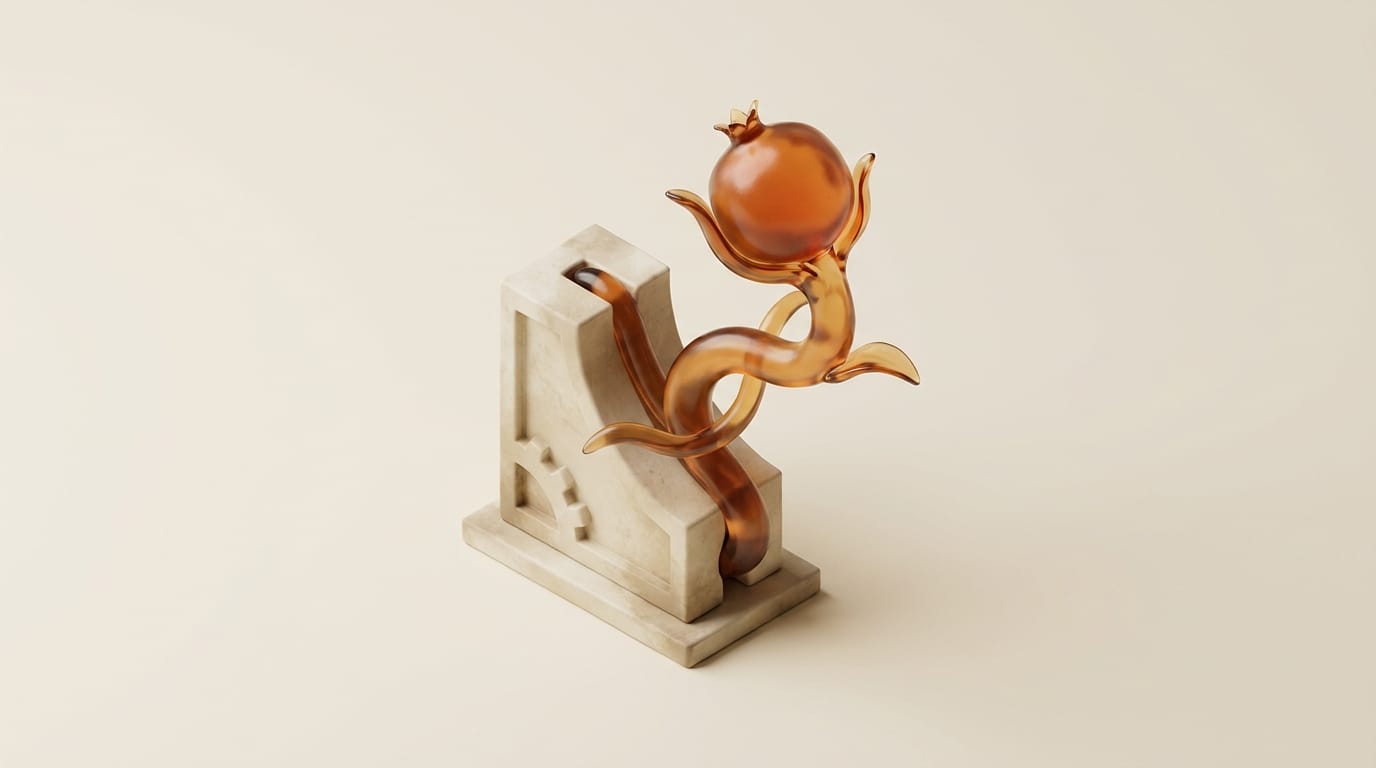
When people treat “carpe diem” as a permit for reckless choices, they lose the very peace the phrase was meant to protect. Modern culture often uses it as a quick excuse for impulsive acts, yet a closer look at the true carpe diem meaning shows a system of thought built for steady calm. This philosophy focuses on how we find lasting joy by staying present, rather than chasing wild highs that fade by morning.
The Roman poet Horace first wrote these words in his Odes around 23 BCE. He was not telling people to party, but was offering advice to a woman named Leuconoe who felt deep fear about her future. Horace proposed a specific mental frame; he thought that by focusing on the small tasks of the day, a person could block out the dread of what might happen next. He meant for this to be a way to manage worry, not a reason to act without care.
The trouble starts with how we translate the phrase today. When we swap the original Latin word for “pluck” with the English word “seize,” we change how we relate to time. Plucking suggests a gentle, rhythmic part of a natural cycle, while seizing feels like a fight for control. If we get this wrong, we end up tired and stressed by a philosophy that was designed to give us rest.
The Cultural Shift and the True Carpe Diem Meaning
Popular movies and music over the last few decades changed how the world sees this phrase. Films like Dead Poets Society moved the focus toward rebellion and breaking rules. This view treats each day as a trophy to win or a block of time that must provide a grand experience. This way of thinking makes us feel that a day only counts if it is special or different from our normal routine. This creates a performance mindset where the pressure to do something great leads directly to burnout.
Horace had a much quieter goal in mind. He belonged to a class of Romans who valued steady character and self-control. To him, the day was not a blank page for wild acts, but a part of a larger, steady life. By trying to make every hour a high-stakes chance for greatness, we accidentally increase the anxiety that Horace wanted to soothe. We have turned a tool for peace into a way to measure how much we get done.
A few years ago, the term YOLO (You Only Live Once) became the modern version of this idea. While they sound similar, they work in different ways. YOLO often serves as an exit from duty; people use it when they are about to make a mistake they know they might regret. Horace taught the opposite; he told his readers to strain their wine and trim back long hopes because life is short. This is a call for simplicity and quality, not for chaos.
The Roman view focused on staying steady. If you pluck the day, you gather what is ripe right now. This ensures you do not waste today’s harvest by worrying about next year’s crop. This practice helps people stay in the moment. Modern recklessness often ruins the current fruit by eating it all at once, which leaves us unready for tomorrow. Learning this difference is key for anyone trying to find healthy relaxation techniques that reduce stress instead of just escaping from it.
How Plucking Became Seizing
The root of our confusion lies in the Latin verb carpere. In its original farming context, this word means to pick or pluck. It describes a person gathering flowers in a field or a farmer picking grapes. Expert analysis shows that the word is a gardening metaphor, as seen in research on the etymology of carpe diem. It implies that there is a right time for everything and that the day is a fruit that has reached its peak. You do not seize a grape; if you grab it too hard, you crush it. You must pluck it with a gentle and precise hand.
This root suggests that time is a living system. When we apply this to our lives, we see that the goal is to notice what is ready for us right now. It is about matching our energy to the reality of the moment. This idea fits with how natural life rhythms and human health work together. If we try to force a result out of season, we waste our energy.
The shift to the word “seize” happened during the Middle Ages. The word comes from a legal term used for taking land by force. To seize something was to claim it as property, often by fighting for it. This changed the mood of the phrase from gentle enjoyment to a battle for power. To “seize the day” sounds like a war against time itself. It makes us think time is a territory we must occupy before it is gone. This aggressive stance is the opposite of the Roman view, which saw humans as part of a cycle rather than masters of it.
Epicurean Roots of Peace
Horace followed Epicureanism, a school of thought that sought a life of extreme simplicity. The goal was ataraxia, or a soul free from trouble. One achieved this state by removing extra desires until only the most basic needs remained. In this world, a simple cup of wine and a talk with a friend were the best luxuries because they were easy to find and enjoy. Horace told his readers to filter their wine as a way to say they should filter out the dirt of big plans and future fears. This allows a person to enjoy the clear, present hour.
This version of the carpe diem meaning works as a mental shield. It protects us from the noise of the world by keeping our focus on what we can handle today. Epicureans believed that joy is most intense when we know it will end. Since our attention is a limited resource, spending it on a tomorrow that does not exist is a bad use of our life. According to the Encyclopaedia Britannica entry on the phrase, Horace used the truth of fleeing time to teach the wisdom of letting go. By accepting that the day is small, we stop asking it to provide the meaning of our whole lives. We learn to enjoy a quiet afternoon for what it is, which removes the pressure to perform.
Stoic Lessons on Death and Presence
Horace also used Stoic ideas, specifically memento mori, which reminds us that we will die. In this tradition, death is a tool to help us focus. If death is certain but the time is unknown, then this hour is the only time we truly own. Stoics use the threat of death to demand good work, while Horace used it to justify calm enjoyment. Together, they form a way to live fully in the now. This helps us see that the phrase is really about being ready. If you have lived today fully, you have already won. You do not need a future event to make your life feel real.
Horace advised people to trust as little as possible in tomorrow. This is not a dark view of the world, but a way to manage risk for the soul. If you expect nothing from the future, every good thing that happens is a bonus. If things go poorly, you have already gathered the harvest of today. This builds a kind of toughness. When we try to master time with force, we feel crushed when things go wrong. When we simply gather what is there, we keep our peace. This mirrors the logic of ancient systems like the I Ching, which teaches that we must stay centered during change.
Living with the Rhythm of Time
The plucking metaphor reminds us that we live in a biological system. Just as a farmer waits for the right season, we must recognize when our own moments are ripe. Modern life often blocks this skill. We try to be productive late at night or try to relax in the middle of a high-stress job. We are trying to seize results that are out of season. True carpe diem requires us to see the patterns in our own energy so we know when to act and when to rest.
When we move with the natural ripeness of the day, our work feels easier. There is a sense of flow. Horace often used the image of a flowing river to show this. You cannot stop the water, and you cannot make grapes grow faster by yelling at them. You can only be ready with your basket when the time is right. This is the big difference between trying to control life and learning to participate in it.
Trying to seize time is like trying to control something that cannot be held. This keeps our brains in a state of fight or flight. We are always looking for the next thing to grab, which stops us from tasting what we have in our hands. The mental cost is a feeling that we are never quite satisfied. No matter how much we do, time still slips away. The carpe diem meaning Horace intended offers a way out of this trap. By plucking instead of seizing, we lower our stress. We accept that we do not own time; we only get to use it as it passes.
Success Through Letting Go
In a world full of digital noise, the ability to pluck the day is a huge advantage. It allows for deeper work and better friendships. When you are fully present with a task, you get the full value from it. This builds a reserve of calm that makes you stronger when life gets hard. You are not starving for meaning because you have been feeding on small joys all day. This is not about being lazy; it is about being effective. By not wasting energy on the fear of the future, you have more power for the work of today.
Ultimately, the original carpe diem meaning asks us to change how we define a good day. In the modern model, a good day is one where you bought a lot or did something epic. In the Roman model, a good day is one where you were present enough to notice what was good and wise enough to let go of what you did not need. This is a shift from quantity to quality. It allows us to find beauty in simple things, like a cup of coffee or a quiet moment in a garden.
Horace never asked us to chase “more.” He asked us to accept “now.” By reclaiming the farming roots of the phrase, we stop being hunters of time and start being its caretakers. The day is not a wild animal we must catch; it is a garden. Our job is to walk through it, picking only what is ripe, and trusting that the act of gathering is enough. If you stopped trying to seize your hours and started trying to pluck them, your life would feel much lighter.