High-performing professionals often confuse the temporary numbing of an evening drink with the deep rest needed to stay productive and sharp. While a cocktail feels like it releases pressure, it actually acts as a chemical override of the nervous system instead of a functional reset. By using healthy relaxation techniques, you can trigger real physical recovery. This shifts your body from a state of high-alert survival into a mode where your cells and mind can truly repair themselves.
When we do not understand how stress works, we tend to reach for the fastest way to turn it off. Alcohol acts like a blunt tool in this regard. It slows down the central nervous system to mimic calm, but it fails to clear the stress hormones like cortisol and adrenaline that build up throughout the day. Real rest is an active process that needs the cooling system of the body to turn on; it is the difference between turning off a computer by pulling the plug versus letting it run a proper maintenance cycle.
The Hidden Cost of Sedation versus Active Restoration
The human brain is remarkably good at thinking that the absence of a feeling is the same thing as recovery. After a high-stakes day, the brain wants an “off” switch. Because alcohol is a sedative, it creates the illusion of rest by slowing down how the nerves fire. However, this is just numbing, not relaxing. Slowing the brain this way stops the very tools it uses to sort through the day’s information and manage emotions. This leaves your system just as tired the next morning as it was the night before.
We see the worst effects of this confusion in our sleep patterns. Alcohol might help you fall asleep faster, but it ruins Rapid Eye Movement (REM) sleep. This is the stage where the brain processes emotions and stores memories. A study on sleep health shows that even a few drinks can cut REM sleep by ten minutes. This loss stops the brain from doing the deep work it needs to solve problems and stay creative. It essentially keeps the brain running hot even while the monitor is dark.
Alcohol also keeps your heart rate high while you sleep. Research indicates that drinking increases your nightly resting heart rate by several beats, which means your body is still under physical stress during the night. On the other hand, healthy relaxation techniques like deep breathing or relaxing your muscles help lower your heart rate and blood pressure. This shift lets the body focus on how different body systems work together during recovery, allowing physical and mental repair to happen at the same time rather than being blocked by chemicals.
Mastering the Transitional Ritual to Close the Work Day
Most professionals do not struggle with stress as much as they struggle with the move from work to home. Without a clear mental signal that the professional day has ended, the mind keeps thinking about tasks and worries. An evening drink often acts as this signal, but it is a harmful one. To get better results, you must use healthy relaxation techniques that give the brain a similar sensory shift. This creates a ritual that tells the body it is safe to downshift.
Creating Sensory Equivalence with Non-Substance Alternatives
The urge for a drink is often more about the habit of making it and the change in feeling it provides than the alcohol itself. You can replace this signal by making a high-quality tea or using a specific scent ritual. For instance, the physical steps of making a cup of tea provide a similar ritual for the hands and mind. You might explore why choosing matcha over coffee improves your focus, as the natural compounds in tea create a calm alertness that alcohol cannot match. This allows you to relax without losing your mental clarity.
The goal is to give the brain a consistent signal that the day is over. This works best when you use multiple senses, like the smell of cedar wood, the warmth of a mug, or changing the lights in your living room. These cues act as signals for the brain to start calming the nervous system. This creates a clear wall between your work and your home life, preventing work thoughts from bleeding into your evening rest.
The 10-Minute Nature Transition
One fast way to reset the brain is to spend time in nature. Research shows that as little as ten to twenty minutes in a green space can lower stress levels and improve your mood. Nature works because it captures your interest without making you work hard to pay attention. Sitting in a park or even looking at trees from a balcony lets the brain recover from the heavy focus needed at work. This simple change allows the mind to rest from the fatigue that usually makes you want a drink.
Somatic Healthy Relaxation Techniques for Immediate Relief
When stress is high, it stays in the body as tension in the neck, jaw, and shoulders. This is the body holding onto stress hormones. To release this tension, you need physical moves to change your nervous system. Unlike alcohol, which just numbs the feeling, these physical habits clear the stress out. These somatic practices are physical tools that tell the brain the “fight or flight” response is no longer needed.
Muscle relaxation is a great tool for people with busy jobs. The method involves squeezing and then letting go of different muscle groups. This forces the brain to see the difference between being tight and being relaxed. It is often more effective than just sitting still because it gives the mind a physical task. This prevents you from drifting back to thoughts about work. Also, the “physiological sigh” (two quick breaths in and one long breath out) is a fast way to lower stress. It helps the body get rid of carbon dioxide and how the body cools the brain through reflex by signaling the main nerve that controls calm.
Box breathing is another key tool for managing the body. By breathing in, holding, breathing out, and holding again for four seconds each, you steady your heart rate and your response to stress. Elite performers use this method in high-pressure jobs because it provides a fast way to calm the body. It is a precise way to fix a physical system under pressure without using chemicals that cloud the mind.
Building Cognitive Resilience Through Mindfulness
Many people think mindfulness means having an empty mind, but it is better to think of it as a way to look at data. Instead of seeing stress as a threat that you need to numb, mindfulness lets you see it as information. When you want a drink, take a second to see what you feel. Is your chest tight? Are you having the same thought over and over? Or do you just need to shift from work mode to home mode? This awareness changes your relationship with stress.
Short sessions of meditation, even for five minutes, help you become more aware. By making this part of your day, you move from reacting to stress to choosing how you respond. This means when you get home, you are not so drained that you need a chemical fix. You arrive with a system that has been managing itself all day, making it easier to enjoy your personal time without feeling like you are constantly playing catch-up with your own energy levels.
Environmental Design to Support New Relaxation Habits
The space around you often matters more than your willpower. If your home has many signs of alcohol, like a bar cart or certain glasses, your brain will default to wanting a drink when you are tired. To make your home a place for rest, remove these signs and replace them with easy ways to use healthy relaxation techniques. This lowers the effort needed to make a good choice when your energy is low.
Think about how lights and sounds affect your brain. As the night goes on, using warm, dim lights helps your body make sleep hormones. Bright lights keep you awake and alert. Making a space where it is easy to rest, such as having a yoga mat already out or a book ready in a comfortable chair, makes it easier to pick a good habit. By designing a better bedtime routine for better health, you make sure the easiest choice is the one that helps you recover the most.
Developing a Personalized Sustainable Stress Toolkit
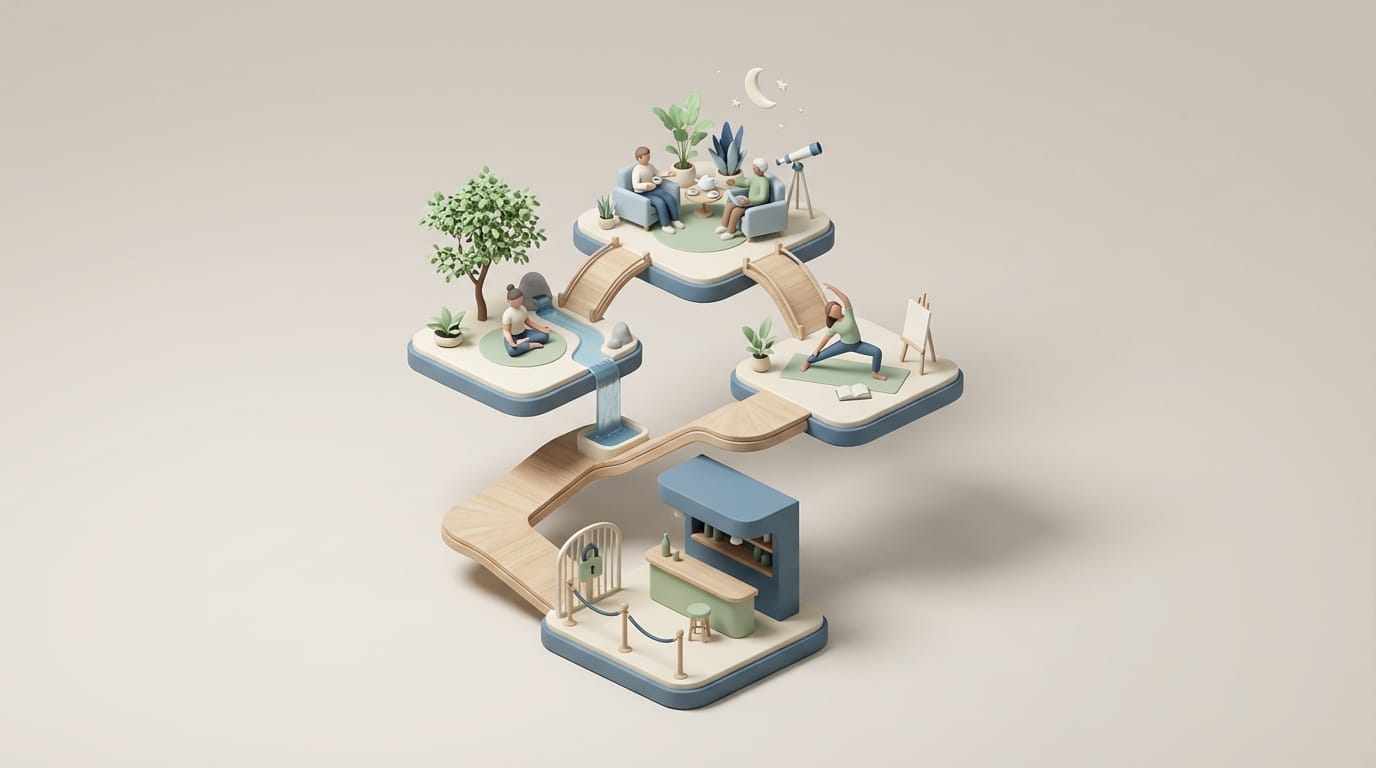
One single tool will not work for every situation. To manage stress well, you need a list of options to use based on how you feel. You should look at your current habits and see which ones cost you too much in the long run. The goal is to have a plan that changes based on how hard your work is, ensuring you always have a way to recover that does not leave you feeling worse later.
- Level 1 (Daily): Ten minutes in nature, a tea ritual, and dimming the lights.
- Level 2 (High Stress): Box breathing, the physiological sigh, and muscle relaxation.
- Level 3 (Burnout Risk): Longer meditation sessions, exercise to clear the body, and a break from screens.
Testing these habits is important for long-term success. Track your energy and mood for two weeks while you replace your evening drink with these healthy relaxation techniques. You will likely find that the first few days are hard as you break the old habit. However, the days that follow will show more clarity in the morning and a steadier mood throughout the day. This approach lets you see which habits work best for your unique body and schedule.
Moving from numbing yourself to actively resting is a major upgrade for your life. By replacing alcohol with precise physical and mental tools, you make sure your time off is spent recovering. The result is a stronger body and mind that can handle the hard parts of work without the fatigue that builds up from using sedatives. In a world where we are always connected, the ability to calm your own body is the best advantage you can have. How will you choose to end your day today?