
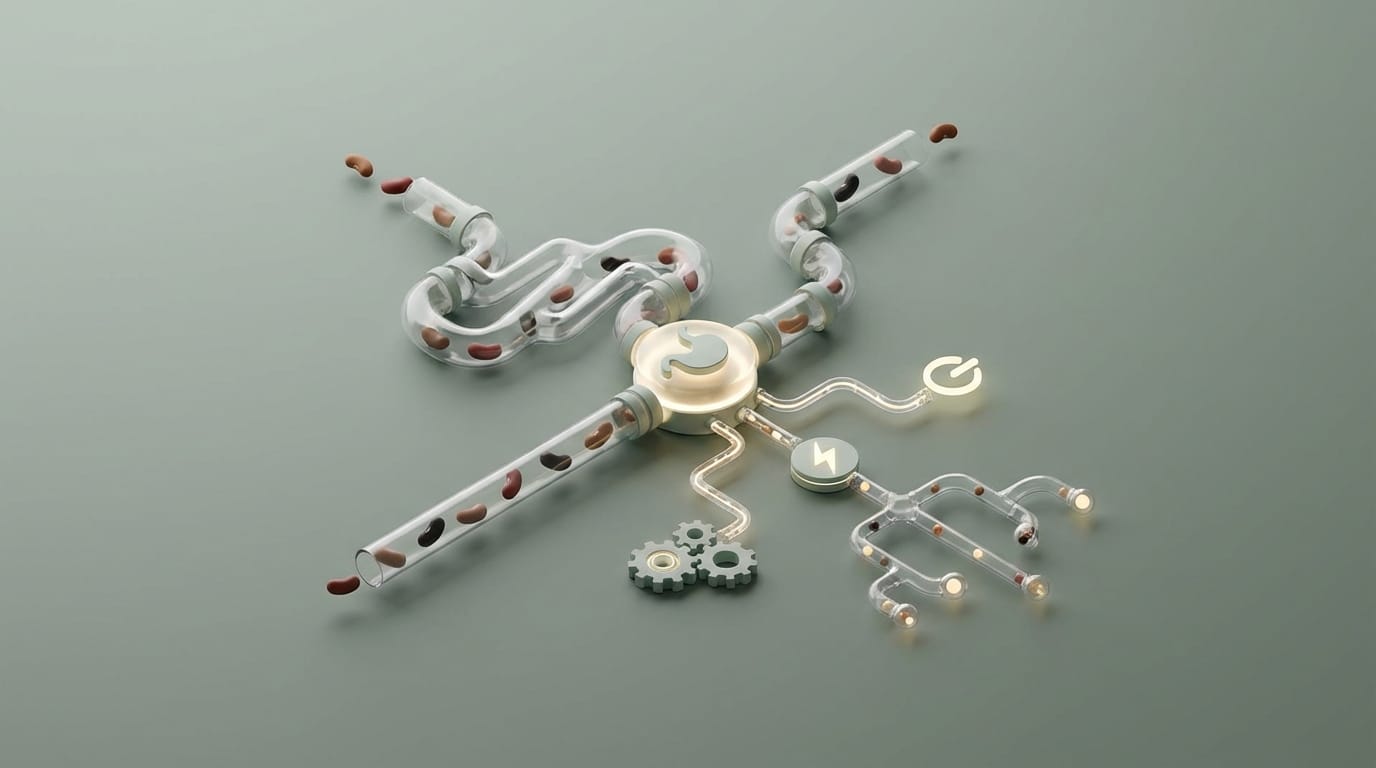
Most people view beans as a simple source of fiber, but their true power lies in how the body turns their starches into compounds that fight swelling. When you evaluate the benefits of eating beans regularly, you are looking at a system of slow-release energy that changes your internal environment. These legumes do more than provide calories; they give your gut the fuel it needs to create essential health markers. Understanding how they work requires moving past the basic idea of “roughage” and looking at how they feed your cells.
The complexity of a bean ensures that a large part of its structure survives the first steps of digestion. This path is not a flaw in the system but a necessary feature. It allows specific nutrients to reach the lower gut where they can do work that simple sugars cannot. By keeping the top part of the digestive tract quiet, beans allow the lower gut to become a factory for health.
The Structural Power of Legumes
Legumes combine protein and starch in a way that works well for the body. Unlike white bread or meat, which the body processes quickly or in separate tracks, beans deliver a tight mix of complex carbs and plant protein. This pairing ensures that you absorb protein at a rate the body can handle without the sugar spikes often found in low-fiber foods. Because the body processes these two systems together, you stay in a steady state of growth and repair for several hours.
Beyond the main building blocks, the vitamins in beans provide the tools for daily cell work. High levels of folate and magnesium help with thousands of chemical reactions every day. Folate helps repair DNA while magnesium keeps the heart and nerves firing correctly. Since beans are low in salt and high in these minerals, they create a balance that helps your heart and takes the stress off your kidneys.
Mixing Proteins and Carbs for Energy
The strong walls of bean cells slow down how fast the body breaks down the starch inside. This means sugar enters your blood in a steady, predictable flow. For people who stay active, this provides fuel that lasts a long time. When improving how your body recovers after exercise, including plant proteins helps manage how your muscles heal. They refill your energy stores without the crash that follows high-sugar snacks.
Vitamins and Nutrient Absorption
Some people worry that compounds in beans might block mineral absorption, but soaking and boiling them removes most of these issues. The remaining minerals are easy for the body to use. This high value is helpful now that food costs continue to rise. Beans offer a high-quality nutritional profile for a small cost compared to meat, making them a smart choice for both your wallet and your health.
The Benefits of Eating Beans Regularly for Metabolic Health
The main thing that sets beans apart from other foods is resistant starch. Most starches turn into sugar in the small intestine, but resistant starch stays whole as it travels through the top of your digestive system. It resists your enzymes and arrives in the large intestine as fuel for good bacteria. This specific path is the reason why beans help regulate your metabolism so effectively.
Once this starch reaches the lower gut, bacteria ferment it. This is more than just digestion; it is a chemical change. The good bacteria eat the starch and create short-chain fatty acids like butyrate. A study suggests that eating enough resistant starch can improve how your body responds to insulin by up to 50% in just a month. This makes beans a powerful tool for keeping your blood sugar in check.
Bypassing the Small Intestine
This bypass is vital because it stops the calories in the bean from hitting your blood as sugar all at once. Instead, the energy goes to your gut bacteria. By skipping the small intestine, the body avoids the fast hit of insulin that usually leads to fat storage. This delay is one of the best ways to manage weight and health without counting every calorie.
Gut Fermentation and Acid Production
Butyrate is the main product of this fermentation and serves as the favorite food for the cells in your colon. By feeding these cells, butyrate makes your intestinal walls stronger and lowers swelling throughout the body. This effect reaches far beyond the gut; these acids connect to better sugar balance and a stronger immune system. The more often you eat legumes, the more your body produces these protective acids.
Improving Insulin Sensitivity and Blood Sugar Control
The impact of beans on blood sugar lasts long after you eat them. Health experts call this the “second-meal effect.” Because the fermentation of starch takes a few hours, the benefits of eating beans regularly at breakfast can help your body handle the sugar in your lunch. This steady sugar level is very helpful for people trying to manage or prevent diabetes.
The fiber in beans acts like a wall that slows down sugar. By making it harder for enzymes to get to the starch, beans ensure that blood sugar levels move in a smooth curve instead of a sharp spike. Over time, this lowers the demand on your insulin. It trains your cells to respond better to hormones, which makes your entire metabolic system more flexible and efficient.
The Long-Lasting Effect of Slow Carbs
Think of the second-meal effect as a background task on a computer. Even after you finish eating, your gut continues to send signals to your liver. This signal tells the liver to stop making extra sugar, which keeps your levels lower all day and night. Keeping this stability is a major part of creating a better nightly schedule that prevents blood sugar drops and helps you sleep better.
How Fiber Slows Down Digestion
The fiber in beans turns into a thick gel in the gut, which slows how fast food leaves the stomach. This mechanical delay ensures that you absorb all your nutrients slowly, even the ones from other foods you ate at the same time. This makes legumes an anchor for your diet. Adding them to a meal with faster-acting carbs can stop those foods from causing a sugar spike.
The Cardiovascular Impact of Regular Bean Consumption
The benefits of eating beans regularly extend to your heart through a process involving bile. Fiber in beans sticks to bile acids in the gut. Since the body uses cholesterol to make bile, when the fiber carries bile out of the body, the liver must pull “bad” cholesterol from the blood to make more. This creates a natural way to lower your cholesterol levels without medicine.
Research shows that eating about a cup of beans a day can lower bad cholesterol by roughly 5%. This small change leads to a lower risk of heart attacks and strokes. Also, the high potassium in beans helps your arteries relax. This lowers blood pressure and works with the low-sodium nature of beans to protect your heart from damage over time.
Fiber and Cholesterol Reduction
The way fiber binds to bile is consistent and reliable. Unlike some drugs that stop your body from making cholesterol, beans simply help you clear out the cholesterol you already have. This system of flushing out old bile ensures the liver stays busy cleaning the blood. It keeps your veins and arteries clear and flexible as you age.
Potassium and Blood Pressure
Potassium is the main balance to salt in the body. While salt makes you hold water and raises pressure, potassium helps the kidneys get rid of extra fluid and relaxes blood vessel walls. Beans are one of the best sources of potassium you can find. They provide a natural shield against the high-salt environment of modern diets.
How Legumes Shape the Gut
Regularly eating beans works like targeted feeding for your internal garden. By providing fiber, you help good bacteria grow. These bacteria do more than help you go to the bathroom; they are a key part of your immune system. A healthy gut creates a thick barrier that stops germs from entering your blood, making your body’s first line of defense much stronger.
This shift in your gut has effects all over the body. When your gut has enough fiber-eating bacteria, the environment becomes slightly acidic. This acidity kills harmful germs but helps you absorb minerals like calcium. Because of this, the benefits of eating beans regularly include a faster immune response and less of the hidden swelling that leads to long-term disease.
Managing Weight Through Fullness Hormones
Managing weight is often about more than willpower; it is about the signals your body sends. Legumes are unique because they trigger fullness hormones better than almost any other food. When you eat beans, the protein and fiber tell your small intestine to release signals to your brain. These signals tell your mind that you have enough food, which turns off your hunger naturally.
The physical size of beans also helps by stretching the stomach. This stretch sends an immediate signal to the brain to stop eating. Because beans have few calories for their size, they let you feel full while eating less energy. This mix of hormone signals and physical fullness makes beans a great tool for staying at a healthy weight over the long term. By choosing whole foods like legumes, you give your body the tools it needs to stay healthy and balanced.