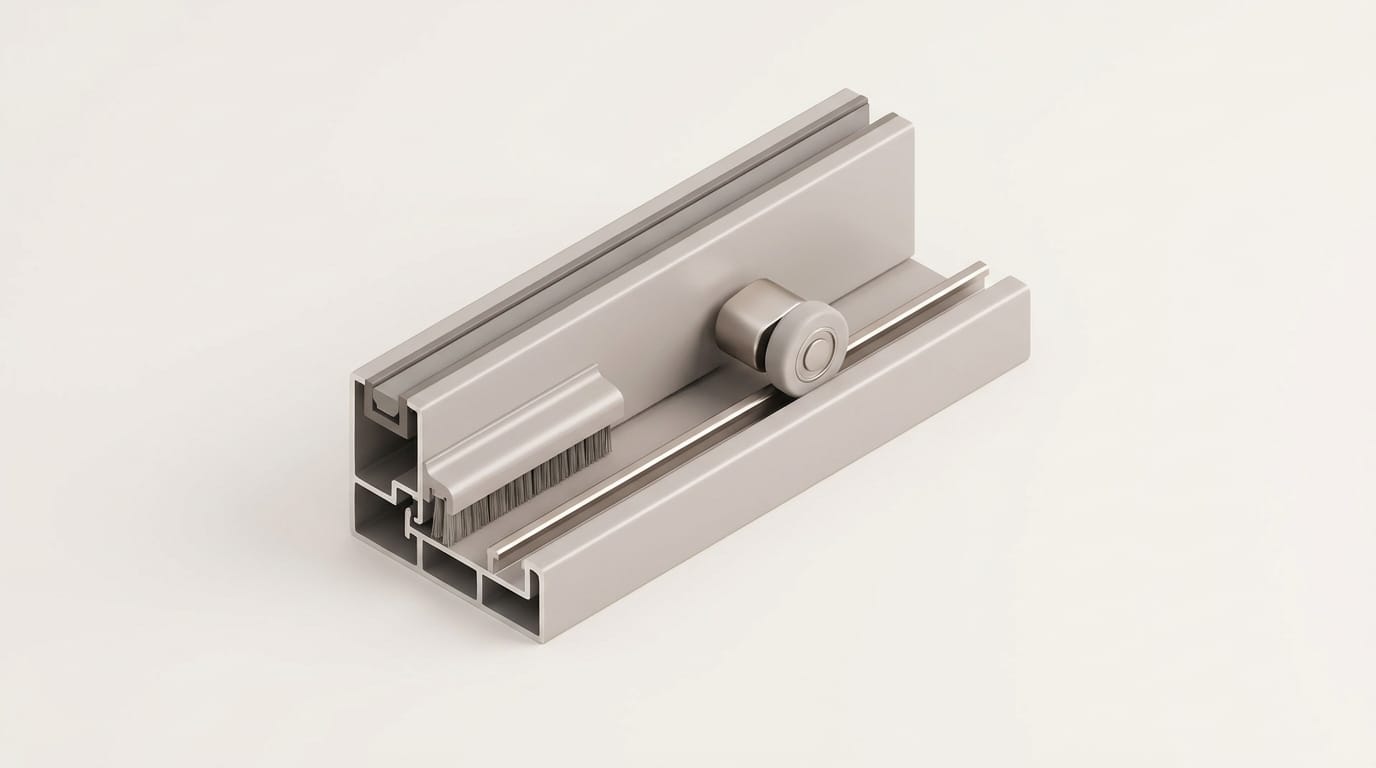
Neglecting the grit in your window tracks does more than make them difficult to open; it creates a grinding motion that destroys hardware and invites water damage through blocked drainage systems. Learning how to clean window tracks properly is a basic maintenance skill that protects your home from wear and costly repairs. When debris builds up in these narrow channels, the window stops sliding smoothly and starts to damage the frame.
Most homeowners think window cleaning is just about the glass. However, the track is the most critical part of the window. It acts as both a guide for the weight of the sash and a path for water to flow away. When dust, pet hair, or dirt blocks these functions, the entire window system begins to fail. You might not notice the damage until it becomes expensive to fix.
By treating your window tracks as a mechanical system rather than just a ledge, you can help your hardware last for decades. This guide explains why tracks wear out, how the drainage system works, and the steps to restore smooth operation without damaging the vinyl or aluminum surfaces.
Why Window Track Maintenance is a Structural Necessity
A window uses moving parts that must stay sealed while allowing for easy motion. This balance depends on clean tracks. When grit enters the system, it changes the physics of the sliding action and turns a smooth glide into a destructive sanding process. Knowing how design principles govern mechanical systems helps explain why a thin layer of dust can lead to a total breakdown.
How friction speeds up hardware failure
The rollers at the bottom of a sliding window move across a smooth surface. When sand or dirt enters the track, these particles act like industrial sandpaper. Every time you open or close the window, the rollers grind this grit into the track. In vinyl windows, this creates deep grooves that eventually trap the rollers, making the window feel heavy or stuck.
Research shows that track dirt speeds up wear on mechanical regulators by forcing components to work past their limits. This resistance does more than damage the track; it puts stress on the locking mechanisms and handles. If the window does not slide easily, users often apply more force, which can snap plastic latches or bend the metal parts that keep the window level.
The link between track debris and seal damage
Window seals protect against air and moisture by pressing against a clean surface. Debris in the track stops the window from closing fully. Even a tiny gap lets air escape, which forces your heater or air conditioner to work harder. This is similar to how common heating and cooling mistakes can disrupt the air balance in your home. Dirt also holds moisture against rubber seals, which causes them to rot and become brittle over time. Once seals fail, the window can no longer block drafts or noise.
The Hidden Importance of the Window Weep Hole System
The most ignored part of window care is the weep hole system. These are small drainage ports at the bottom of the exterior frame. Their job is to let water escape to the outside when rain or condensation enters the track. Without this drainage, the window track becomes a pool of stagnant water.
Finding the drainage ports in your window frame
To find your weep holes, look at the outer sill of your window. You will see small slots or round holes. Some have a plastic flap to keep bugs out while letting water through. In some designs, the holes stay hidden under the screen or in the corners of the frame. These ports are the first defense against water damage and act as a relief valve for the entire frame.
Why blocked weep holes cause silent rot
When you learn how to clean window tracks, you must keep these holes clear. If dirt washes into the weep holes, they clog. This forces water to back up into the hollow parts of the window frame. Often, the water leaks into the wall or the wood beneath the window. Because this happens inside the structure, you may not see the damage until you find mold or soft spots in the floor. Blocked drains are a leading cause of rot in modern homes, according to fenestration experts. Ensuring these paths stay clear protects the foundation of your walls.
Tools for Effective Track Restoration
Before you use water in the window track, gather tools that can reach into the narrow channels. Using a metal screwdriver can gouge the vinyl and create burrs that catch on the rollers. A better approach uses tools that lift dirt rather than pushing it into the corners.
Cleaning supplies for narrow channels
The best tool for this job is a vacuum with a narrow tip. You can tape a straw to the nozzle to reach the deepest parts of the track. Use a stiff nylon brush or an old toothbrush to loosen stuck dirt. For thick grime, a mix of warm water and mild dish soap works well. Avoid harsh chemicals because they can damage the protective coatings on vinyl frames.
Choosing the right lubricant
Using the wrong lubricant is a common mistake. Oily products like WD-40 or grease stay wet and act like magnets for dust and hair. Within months, the oil mixes with dirt to create a thick paste that causes more damage than no oil at all. Instead, use silicone-based dry sprays or Teflon lubricants. These products leave a thin film that stops friction without attracting particles. Silicone is safe for vinyl and will not make the plastic brittle over time.
Steps to Clean Window Tracks
The secret to how to clean window tracks effectively is the order of your steps. Adding water too early creates mud that is hard to remove and can clog the weep holes. Follow this sequence to keep the system clear.
- Vacuum the dry dirt: Open the window and vacuum the entire track. Use your brush to loosen dust in the corners and the top track.
- Brush the stuck bits: Use a dry brush to break up hardened dirt or insect remains, then vacuum again.
- Wipe the tracks: Put a small amount of soapy water on a cloth. Wrap the cloth around a wooden stick to reach into the narrow grooves. Wipe from one end to the other and change the cloth often to keep from spreading grease.
- Flush the drains: Pour a little clean water into the track. The water should flow out of the exterior weep holes in seconds. If it pools, the hole is blocked. Use a thin wire or a pipe cleaner to clear the blockage from the outside. This step is as important as applying professional-grade seals when you want to stop leaks.
Applying Lubricant for Smooth Operation
After the tracks are clean and dry, apply the lubricant. The goal is a tiny layer of protection, not a thick coating. Adding too much lubricant leads to messy drips and builds up dirt faster. Spray the silicone onto a dry rag instead of spraying the track directly. This gives you more control and keeps the spray off the glass. Wipe the rag along the path where the rollers meet the track. Move the window open and closed a few times to spread the film. The motion should be silent and easy. If you still hear grinding, a roller might be broken and may need a professional replacement.
Creating a Window Care Schedule
Staying regular with maintenance is more important than cleaning deeply once a year. By the time a window is hard to move, damage has likely already happened. A schedule ensures that grit never builds up to a dangerous level. For most homes, a clean twice a year is enough. Late spring and late autumn are the best times because they follow seasons of high pollen and heavy storms. Windows in coastal areas may need monthly care to stop salt from damaging the metal.
Watch for signs of wear while you clean. A window that tilts to one side often has a failing roller. If you see metal shavings or plastic dust in the track, the rollers are grinding the frame. Proper care is an investment in the life of your home. By knowing how to clean window tracks and keeping the drainage holes open, you prevent the slow decay that leads to expensive repairs. A clean track ensures your home stays efficient, dry, and secure through every season.