The Chemical Mechanism Behind Liquid Decomposition
Most people view decomposition as a slow biological process, but alkaline hydrolysis shows that chemistry can reach the same result with much less harm to the environment than old ways. This system, often called aquamation or water cremation, uses a mix of water, chemicals, and heat to break down organic matter into its basic parts in just a few hours. The method is not a new invention; a patent from 1888 first described its use for turning animal remains into fertilizer. Today, its use for people and pets has turned it into a smart option for those seeking a gentle end-of-life path. By copying the way soil breaks things down but moving faster through controlled steps, it offers a way to return nutrients to the earth.
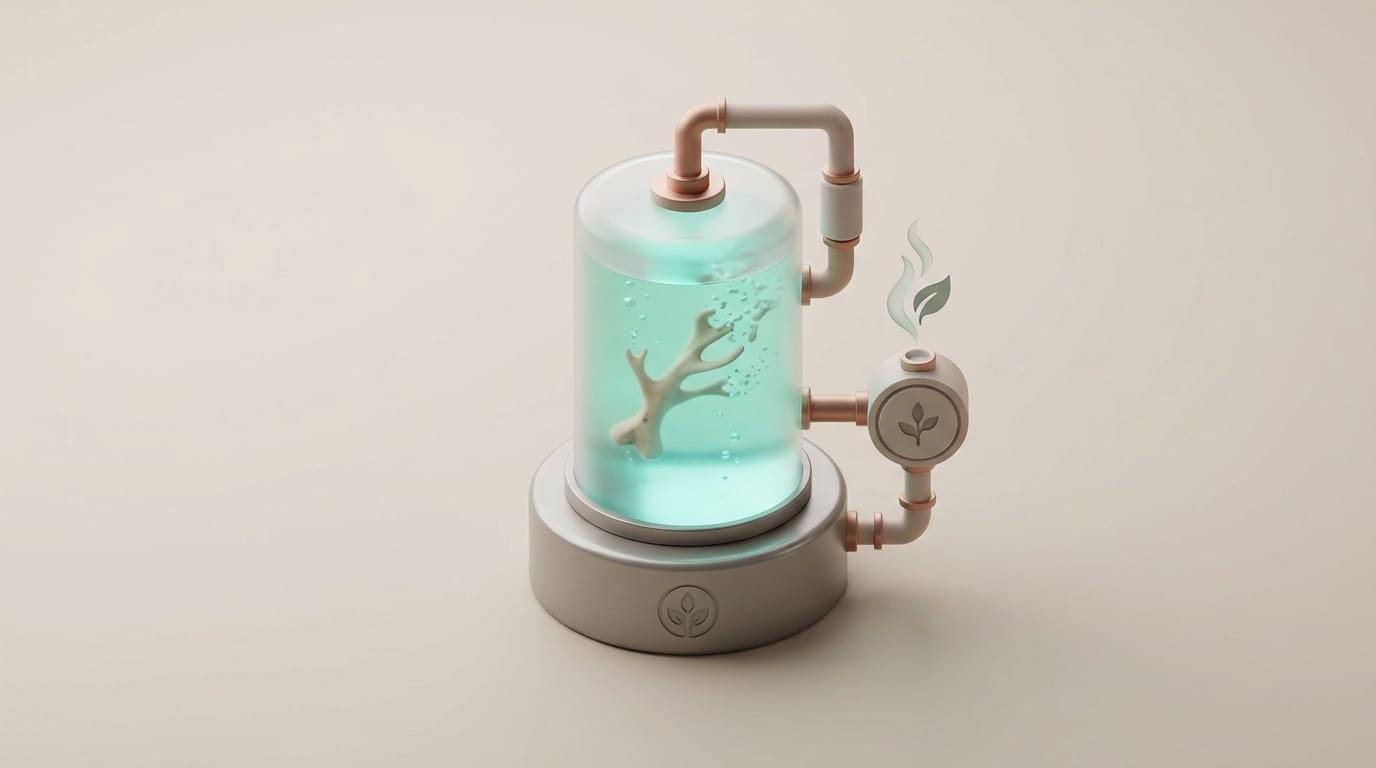
To understand the system, one must look at the pressure vessel where the reaction happens. Operators place the body into a steel chamber and fill it with a solution made of 95% water and 5% alkali. The most common alkali is potassium hydroxide, a strong base that is very good at breaking organic bonds. Unlike flame cremation, which uses fire to burn tissue, this method uses a chemical reaction called base-catalyzed hydrolysis. This process does not rely on burning fossil fuels to create high heat, making it a cleaner choice for modern funeral services.
The Role of Potassium Hydroxide and Heat
Potassium hydroxide is vital because it provides the ions needed to attack the bonds in proteins and fats. When the solution heats up to around 300 degrees Fahrenheit (150 degrees Celsius), the molecules move faster. This allows the alkali to soak into tissues more efficiently. While this heat is much lower than the 1,400 degrees used in fire-based methods, it dissolves soft tissue within three to six hours. This speed shows how engineers can make natural biological processes more efficient by controlling the environment. The result is a clean, sterile liquid and soft bone remains that require very little energy to process further.
How Water Pressure Catalyzes the Hydrolysis Process
Pressure acts as the final spark for the system. By raising the pressure inside the sealed vessel, the boiling point of the water goes up. This keeps the liquid from turning into steam even as it gets very hot. It allows the liquid to stay in direct contact with the organic material at heat levels that would otherwise cause it to dry up or evaporate. This steady contact ensures a smooth reaction throughout the chamber and prevents cold spots. Every part of the organic structure meets the alkaline solution at the same time, leading to a uniform breakdown of the body. Because the liquid stays in a high-pressure state, it can reach into even the densest tissues to complete the process.
The Molecular Breakdown of Organic Tissue
At the small level, alkaline hydrolysis is very good at stripping complex parts back to their basic building blocks. The solution mainly targets the peptide bond that holds amino acids together to make proteins. When the ions hit these bonds, they break the chain and pull apart the structure of muscles, organs, and skin. This is the same process that happens in nature over many years, but the chemical bath finishes it in a single afternoon. The system acts like a molecular pair of scissors, cutting through the tough fibers that hold a body together.
Transforming Proteins into Amino Acids
As the bonds fail, proteins turn into a clean liquid made of small peptides and amino acids. This change is total; by the end of the cycle, no whole protein structures stay behind. Fats break down too through a step called saponification, which turns lipids into salts and soaps. Sugars and starches become simple sugars that dissolve in the water. The result is a total change of soft tissues into a liquid that is safe, stable, and free of any biological traces. This liquid is sterile and contains no DNA, making it safe to handle or move through standard waste systems.
The Reduction of Complex Fats and Carbohydrates
One big part of this breakdown is how it destroys DNA and RNA. The high pH levels and heat cause these genetic codes to fall apart into tiny pieces. This ensures the liquid has no living genetic material or identifiable markers. The process also sets a high bar for killing germs. A technical guide from BioLiquidator notes that the mix of heat and high alkalinity can even destroy prions. These are the hardy proteins that cause brain diseases and often survive standard cleaning. Because the process works at such a deep level, it leaves the output completely sterile and safe for the environment.
How the Nutrient Cycle Completes the Return to Earth
While many people talk about the gentle feel of water versus fire, the real win is in the nutrient cycle. In old fire cremation, most carbon and nitrogen turn into gas and float into the air. This wastes the energy stored in the body. In liquid decomposition, these parts stay in the water, creating a rich byproduct for industrial use. This liquid carries the building blocks of life back into the ecosystem in a form that plants can use right away. It turns a loss into a gain for the soil.
Reclaiming Effluent for Industrial Agriculture
The liquid that comes out is a dark brown solution full of potassium, nitrogen, and carbon. When using potassium hydroxide, the potassium stays in the liquid as a salt that plants can use easily. More and more farms use this byproduct in fertilizers for large-scale crops. Since the nitrogen and carbon are already in small pieces, plants take them in better than man-made options. This creates a true return to earth that does more for the planet than bone ash alone. It allows the chemicals that once powered a human life to feed new growth in a field or forest.
Converting Organic Byproducts into Bio-Available Fertilizer
This liquid fertilizer helps improve soil and helps it hold water more effectively. By using this material for farming, the system acts like modern plant monitoring systems that track how crops get food. Instead of burning the body’s energy and sending it into the sky, the system keeps it as a tool for new life. This builds a loop that fits the goals of a green economy. It changes the way we think about waste by turning it into a resource that supports the growth of future generations of plants and trees.
Environmental Metrics of Water vs Flame
When we look at the data, water systems win easily over fire. Old cremation burns fuel to keep high heat for hours, which costs a lot and hurts the air. Alkaline hydrolysis works at lower heat and uses much less power to get the job done. Because the vessel is insulated, it holds onto heat very well, meaning the machines do not have to work as hard to stay at the right temperature. This makes it a much more efficient way to handle remains in a world that is trying to save energy.
Quantifying Carbon Footprint Reductions
Data shows that water cremation uses 90% less energy than fire, according to research by Green Cremation. One fire cremation can release over 500 pounds of carbon dioxide, which is like driving a car for 500 miles. The water method makes no direct CO2. This drop in gas release is a big deal for those worried about how human work affects the greenhouse effect. By choosing water over fire, people can cut their final impact on the world by a huge amount.
Eliminating Toxic Mercury and Particulate Emissions
Fire cremation also risks heavy metal pollution. When heat hits tooth fillings, the mercury turns into a gas and goes into the air. From there, it can fall into lakes and rivers. Water methods stop this. Because the heat stays low, mercury stays solid. Once the cycle ends, workers can find these fillings and medical parts like hip joints or heart tools. They clean and recycle them, keeping toxins out of the water and soil. This makes the process much safer for the people living near these facilities.
Industrial and Scientific Applications
The use of alkaline hydrolysis goes far beyond funerals. It is a key tool in labs and vet science for waste. Because it kills germs so well, it is the top choice for disposing of animals used in disease research. It provides a way to handle dangerous materials without the risk of smoke or ash spreading through a city. This reliability has made it a standard part of how modern science handles its most difficult waste problems.
Managing Biohazardous Waste in Medical Research
In a lab, the main goal is safety and cleaning. Other tools can kill germs, but they do not shrink the waste. This method does both. It cuts waste volume by up to 97% while making sure all germs die at a molecular level. This trust has made it the best choice for schools and labs that follow strict safety rules. It allows these places to stay clean and safe without needing big chimneys or lots of fuel storage. It turns a difficult safety problem into a simple, automated step in the lab’s daily work.
Sustainable Disposition in Veterinary and Agricultural Science
The rules for this technology are changing fast. Currently, many states and countries allow the process for people and pets. Its ability to handle large amounts of waste without smoke or fuel tanks makes it great for cities with strict air rules. As cities look for better ways to build their infrastructure, water systems will likely become the norm. The move toward this method shows a shift in how we see our physical legacy. By leaving the burn and release ways of the past, we use a system that sees the value in organic chemistry. This shift from life back into the food cycle is more than just a feeling; it is a smart, clean process. As we get better at saving energy and reusing nutrients, we move closer to a way of life that works with the planet’s own systems. Does this shift toward chemical recycling change how we perceive our place in the world’s natural cycles?