
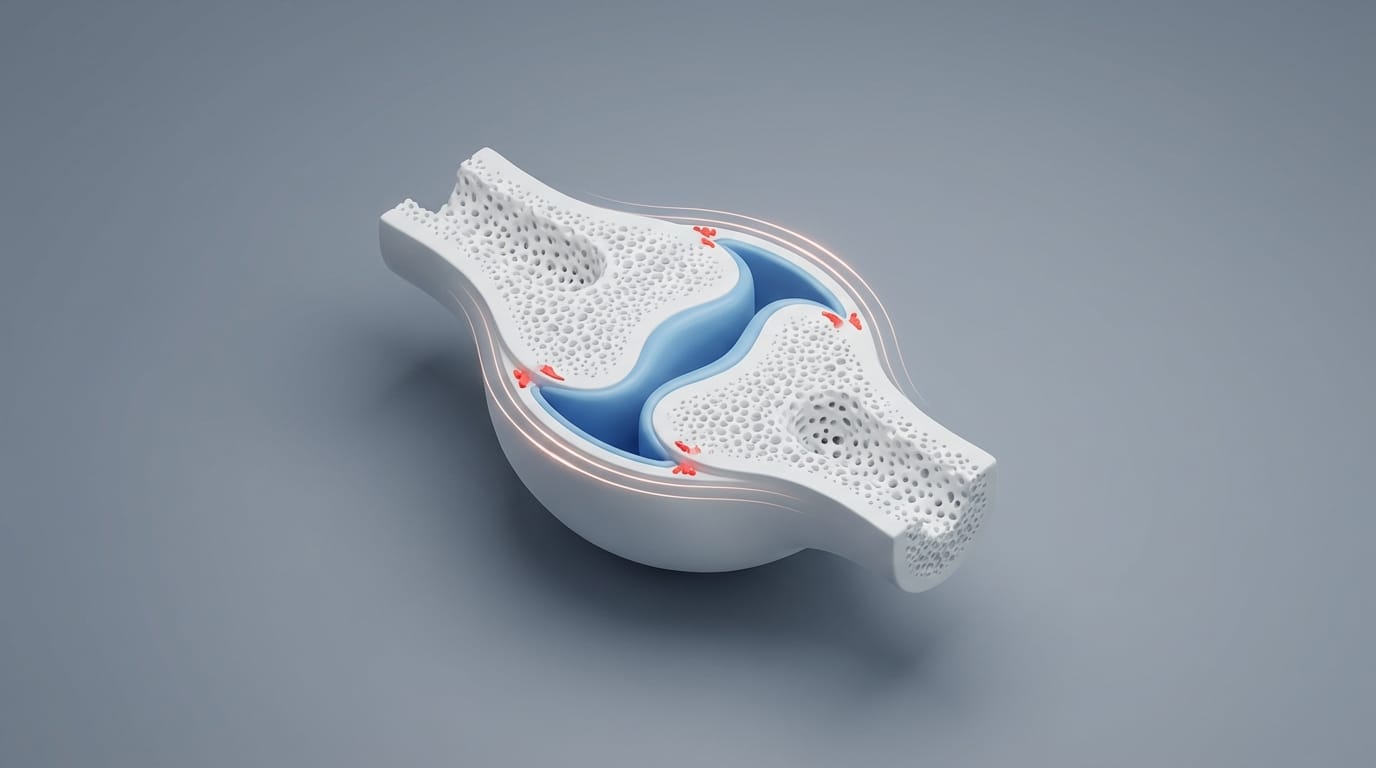
Viewing the human skeleton as a static framework ignores the complex biological signaling that allows bone to reshape itself every hour of the day. This continuous bone remodeling process ensures that our skeletal system remains light enough for movement yet strong enough to withstand the heavy loads of daily life. It acts as a perpetual maintenance cycle that replaces about 10 percent of the adult skeleton every year to fix wear and tear. When we move, lift, or stand, we are not just using a finished structure; we are providing the data that the body uses to rebuild its frame. This change is more than a response to physical weight; it is a coordinated effort involving mechanical sensors, cellular teams, and the nervous system. Understanding how this system works provides a blueprint for managing athletic performance and chronic joint decay.
How the Bone Remodeling Process Responds to Stress
The skeleton stays healthy by constantly turning over its own tissue through skeletal balance. This task falls to a specialized team of cells that travel across the bone surface to repair tiny cracks and adjust mineral levels. This work happens in a cycle where old bone is cleared away and new bone is laid down in its place. The process moves through stages of activation, clearing, and building before the bone returns to a resting state. This cycle allows the body to adapt to new physical demands while keeping the frame structurally sound.
The Balanced Lifecycle of Builders and Breakers
The cycle begins when signals call in cells called osteoclasts. These cells act as the cleaning crew; they use acids and enzymes to dissolve hard minerals and protein fibers, clearing the site for new construction. Once they finish, a new group of cells called osteoblasts arrives to build. These builders lay down a soft framework that eventually hardens into new bone. In a healthy body, these two cell types work in a tight pair. The amount of bone removed is exactly replaced by new growth to keep the system in balance. If this balance shifts, it leads to issues like brittle bones or abnormal hardening.
How Mineral Hardening Maintains Strength
After the builders deposit the soft framework, the tissue must harden to reach its full strength. This step involves placing calcium crystals within the protein structure, a process that can take weeks to finish. This delay is a helpful feature of the system because it allows the bone to stay slightly flexible while the new structure settles. Because the body uses bone as a storage site for minerals, this engine also supports the rest of the body. When blood calcium levels drop, the cycle speeds up to release minerals into the bloodstream. This dual role explains why recovery science and sleep habits are so important for bone health. The skeleton cannot focus on building strength if the body is constantly mining it for minerals to support other vital needs.
How Physical Loads Trigger Structural Changes
The skeleton does not rebuild itself at random; it follows the geometric needs of its environment. This principle, known as Wolff’s Law, states that bone grows or reshapes itself based on the forces placed upon it. If the load on a bone increases, the bone reinforces itself to resist that specific pressure. This is why active people often have denser bones than those who are sedentary. The body simply allocates its building resources to the areas that face the most daily stress.
The Geometry of Skeletal Support
This law is visible in the internal structure of long bones like the femur. The spongy internal lattice aligns itself along the lines of the highest stress, creating a structure that handles heavy loads while staying light. When a person starts a new activity like running or lifting weights, the bone remodeling process detects the shift in pressure and begins reinforcing the areas under tension. However, this is a slow system. While muscles can adapt to new weights in weeks, skeletal changes take months to show. This gap in timing is a common cause of stress fractures for athletes who push too hard too fast, outrunning the speed of their own structural renewal.
The Role of Internal Sensors
The real managers of this system are osteocytes, which are former builders that have become trapped inside the hard bone. These cells form a vast network that acts like a nervous system for the skeleton. They have tiny sensors that detect mechanical strain and the flow of fluid through microscopic channels in the bone. When bone is squeezed during exercise, fluid moves through these channels and creates a pressure that the sensors feel. They then turn this physical pressure into chemical signals that tell the builders and breakers where to work. Research into skeletal signaling shows this mechanical sensing is essential for bone formation because it tells the body exactly where more material is needed.
When Adaptation Shifts Toward Joint Decay
While the rebuilding system is resilient, it can be overwhelmed. When physical loads exceed the rate of repair, or when signals get crossed, the system produces faulty structures. This is common in the layer of bone just beneath the joint cartilage. In cases of joint instability, the bone remodeling process can take a destructive turn. Small pockets of bone loss, known as cysts, often form when high-pressure joint fluid is forced through cracks in the cartilage and into the bone. This triggers an aggressive clearing response that leaves the bone hollow and weak.
Research indicates that many patients with advanced knee issues show these lesions, according to Frontiers in Cell and Developmental Biology. The formation of a cyst creates a weak point that increases local stress and speeds up the collapse of the surrounding tissue. This creates a loop where the bone’s attempt to fix itself actually makes the joint worse. Another sign of failure is the hardening of the bone, which might sound good but often results in brittle tissue that cannot absorb shock. To prevent this, experts suggest returning to sports after an injury only when specific physical markers are met. Moving too fast risks turning a temporary repair into a permanent problem.
The Connection Between the Brain and Bone
A major shift in our understanding of health is the discovery of how the brain talks to the skeleton. The skeleton is not an island; the nervous system connects directly to it. This means the bone remodeling process is regulated by both physical stress and the brain’s reaction to the world. Nerve fibers reach deep into the bone to release chemicals that act as dials for the building engine. When the nervous system is highly active due to chronic stress, it triggers signals that tell the breakers to work harder.
The result is a loss of bone density. In these moments, the body treats psychological stress as an emergency where it needs to prioritize immediate energy over long-term skeletal health. This is why constant stress is now seen as a risk factor for bone decay. Other chemicals like dopamine play a protective role, helping to slow down the bone-breaking cells, according to findings in Bone Research journal. This suggests that a healthy mind helps create a healthy frame. When a person is under constant pressure, their neural environment tells their bones to break down. This is why creating a better bedtime routine is vital; sleep is the main time when the nervous system quiets down, giving the builders a chance to catch up.
Managing Bone Health Through a Systemic View
To support bone health, we must move past the idea of simple wear and tear. We need to look at both the physical environment and the brain signals that guide the bone remodeling process. For professionals, this means looking at a person’s whole lifestyle rather than just a single joint. The key to healthy building is controlled loading. Resting too much is often bad because it removes the signals the body needs to build bone. On the other hand, too much weight causes damage the system cannot fix. The best approach is a slow increase in activity that matches the pace of the skeleton.
This is why muscle soreness and muscle growth are not always signs of a good bone workout. While muscles might feel ready, the bone underneath may still be in the middle of its clearing phase, making it temporarily weak. Future bone health will likely focus on the brain-bone connection, perhaps using mental health tools to quiet the signals that cause bone loss. By treating the skeleton as a part of the body’s communication network, we can better prevent the shift from healthy change to chronic disease.
The skeletal system is a masterpiece of engineering that constantly rewrites itself to meet the demands of life. The bone remodeling process drives this change, balancing the removal of old tissue with the construction of new bone. This engine does not work in a vacuum; it is tuned by the stress we feel and the ways we move. As medicine becomes more personal, we see that bone decay is often a failure of communication rather than a failure of material. If our bones are listening to our stress levels, then our structural strength is a direct reflection of our overall well-being.