
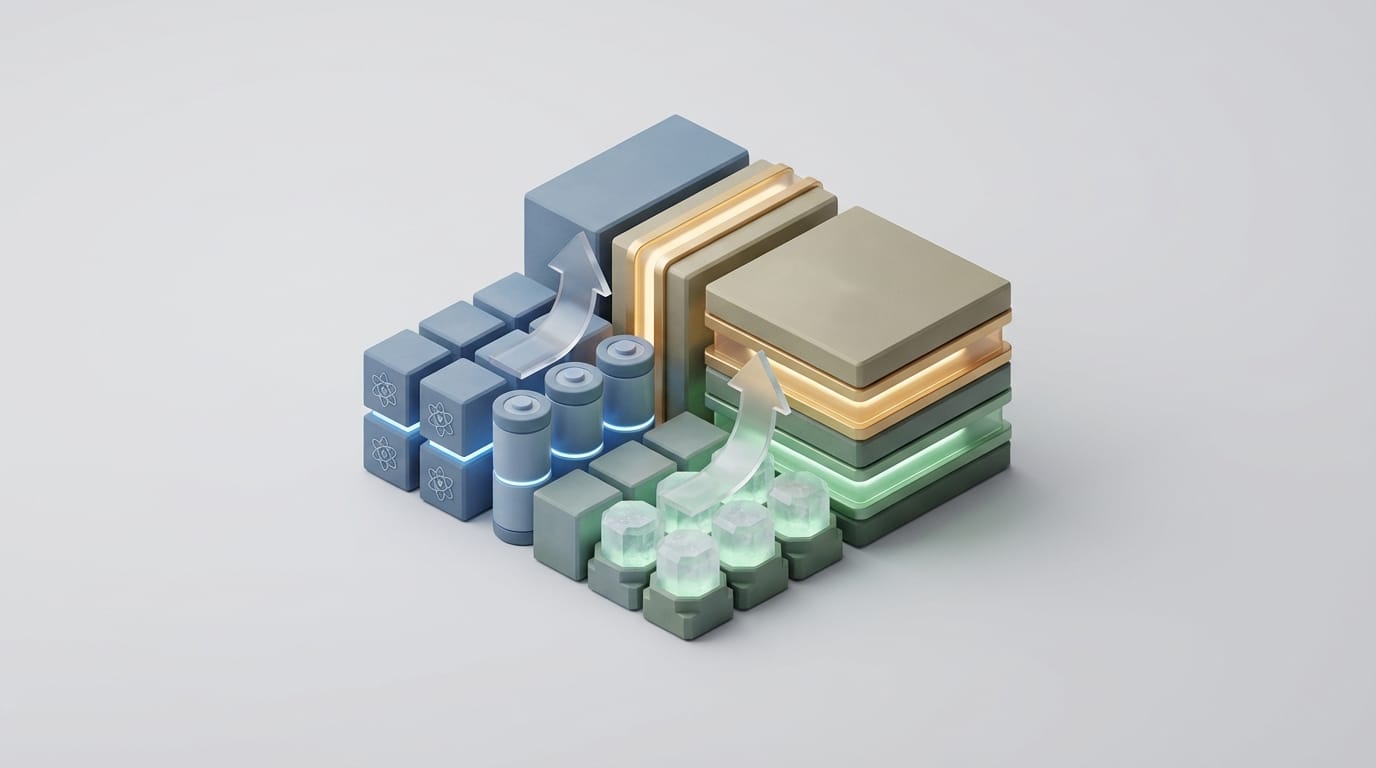
The search for a single successor to the lithium-ion battery often stems from a misunderstanding of the physics and economics that govern energy storage. The industry is currently shifting away from the pursuit of a single chemistry and moving toward a diversified strategy. The deployment of next-generation battery technology will not result in one material replacing lithium; instead, different chemistries will serve specific operational demands across a broader market.
For a decade, many researchers focused on finding a material that matched the versatility of lithium-ion without its safety risks. Engineering reality shows that energy density, safety, and cost exist in a constant trade-off. To stabilize the global energy transition, manufacturers are adopting a segmented strategy by using solid-state electrolytes for high-performance transport while using sodium-ion for grid storage and budget vehicles.
The most significant shift in this transition involves the emergence of the hybrid pack strategy. Instead of relying on one type of cell, engineers combine different chemistries within a single battery management system. This allows a vehicle or a grid-scale installation to balance the high power of one chemistry with the long life or low cost of another, which changes how batteries store and release energy via electrochemistry at a systemic level. By mixing cells, manufacturers can optimize for both peak performance and daily efficiency without forcing a single material to perform every task.
The Limitations of Liquid Electrolytes in Modern Storage
To understand why these new systems are necessary, one must recognize the physical limits of current lithium-ion technology. Most cells today rely on a liquid electrolyte, which is usually a lithium salt dissolved in organic solvents, to move ions between the anode and cathode. While this setup is efficient, the liquid state creates a fire risk that concerns both safety regulators and drivers. When a cell suffers a puncture or becomes overcharged, the flammable liquid can ignite and lead to a fire that is difficult for emergency teams to put out.
The Volatility of Contemporary Lithium-Ion Physics
The instability of liquid electrolytes prevents engineers from pushing energy densities much higher. To fit more energy into a smaller space, manufacturers use thinner separators and more reactive materials like high-nickel cathodes. This engineering path brings the cell closer to its maximum limit while increasing the risk of internal shorts. Liquid electrolytes also tend to form dendrites, which are microscopic, needle-like structures that grow from the anode during fast charging. These structures can eventually pierce the separator and cause the battery to fail or catch fire.
These safety concerns require heavy and expensive cooling systems to keep the battery within a safe temperature range. As cells get denser, the cooling requirements grow, which adds weight and reduces the overall efficiency of the vehicle. This creates a cycle where the energy gained by improving the chemistry is partially lost to the weight of the hardware needed to keep that chemistry stable. Moving away from liquid components is the only way to break this cycle and achieve the next level of performance.
Economic Vulnerabilities in the Cobalt and Lithium Supply Chain
Beyond the physics of the cell, the economic infrastructure supporting lithium-ion is increasingly fragile. The concentration of minerals like cobalt and lithium in a few geographic regions creates friction. As shown in the study of the geopolitics of global supply chains, relying on a narrow set of materials makes the energy transition vulnerable to price spikes and trade rules. Recent years saw the price of lithium carbonate fluctuate wildly, which proved that a global economy relying on one chemistry is unstable. Manufacturers are now looking for materials that are easier to find and process to ensure they can meet the growing demand for electric power.
The Engineering Logic Behind Solid-State Electrolytes
The leading candidate for high-performance energy storage is the solid-state battery. By replacing flammable liquid with a solid ceramic or polymer layer, engineers can rewrite the safety and density rules of the battery. This change is more than just a material swap (it is a complete shift in how the cell is built). Using a solid electrolyte allows for lithium-metal anodes, which can store much more energy than the graphite anodes used in standard cells.
Solid-State Interface Mechanics and Ion Transport
In a solid-state system, the electrolyte also acts as the separator. This dual role removes the need for the bulky materials found in traditional cells and increases the energy density. Current benchmarks for next-generation battery technology suggest that solid-state cells can reach energy densities of 450 Wh/kg, which makes them much lighter and smaller than lithium-ion versions, according to performance data comparing solid-state and lithium-ion cells. The main challenge involves maintaining contact between the solid layers so that ions can move smoothly across the boundary without hitting resistance.
Engineers are currently developing advanced manufacturing techniques to ensure these solid layers stay pressed together during the life of the battery. Because the materials are solid, they do not naturally flow to fill gaps like liquids do. Maintaining this physical connection is vital for fast charging and long-term durability. If the layers separate even slightly, the battery loses power and its internal resistance rises, which generates heat and reduces efficiency. Solving this mechanical issue is the focus of current production research.
Thermal Stability and Safety Profiles at High Energy Densities
The primary benefit of the solid-state design is its natural safety. Since the electrolyte is not flammable and stays structurally firm, it can handle high temperatures without catching fire. This stability allows for simpler cooling systems, which makes the vehicle lighter. By stopping dendrite growth with a physical barrier, solid-state systems allow for very fast charging, often reaching 80% capacity in 15 minutes. This performance happens without the wear that liquid-based batteries experience during rapid power intake.
Sodium-Ion Chemistry and the Economics of Scale
While solid-state technology serves the luxury market, sodium-ion chemistry is becoming the workhorse for the rest of the world. Sodium is chemically similar to lithium, but it is much easier to find and cheaper to extract. This availability helps lower the cost of raw materials, which is necessary for making mass-market electric cars and large-scale grid storage affordable for everyone.
Using Abundant Materials for Stationary Storage
Sodium is roughly 1,000 times more common in the Earth’s crust than lithium and exists in huge amounts in seawater. The price of sodium carbonate is typically a small fraction of the cost of lithium carbonate, according to IRENA’s technology brief on sodium-ion costs. This makes sodium-ion a perfect choice for long-duration energy storage technologies that keep power grids stable. In these stationary uses, where weight does not matter as much, the cost per kilowatt-hour is the most important factor for success.
Using sodium also reduces the environmental impact of mining. Lithium extraction often requires large amounts of water in dry regions, which can harm local environments. Sodium can be harvested through much simpler processes that do not require the same intensive chemical treatments. This makes the transition to renewable energy more sustainable from start to finish, as the materials themselves are as renewable as the energy they store.
The Technical Trade-offs of Lower Energy Density
The main drawback of sodium-ion is that it stores less energy than lithium-ion for its size. Sodium ions are larger and heavier than lithium ions, so they require more space. However, sodium batteries work better in cold weather and are generally safer than liquid lithium cells. Because sodium-ion batteries can be made on existing production lines, the switch to this chemistry requires less money than building new factories. This allows companies to scale up production quickly to meet the needs of the energy market.
The Transition Toward a Next-Generation Battery Technology Landscape
The future of energy will not depend on a single dominant chemistry; instead, the market will use different technologies for different economic needs. This variety is the only way to avoid the supply chain problems that have slowed the industry down recently. By treating battery chemistry as a range of solutions, the industry can grow much faster and become more resilient to resource shortages.
High-Performance Applications for Solid-State Systems
Solid-state systems will likely lead in the luxury car market, aviation, and high-end electronics. In these areas, the high cost of the materials is worth the extra range, lower weight, and increased safety. Major automakers have already set goals for the end of the decade to roll out solid-state vehicles. For these uses, energy density is the most important factor, and consumers are willing to pay the premium associated with next-generation battery technology to achieve it.
In aerospace, weight is everything. Even a small reduction in battery mass allows for more cargo or longer flight times. Solid-state batteries could make electric planes a reality for short-haul flights where lithium-ion is currently too heavy. The lack of liquid also makes these batteries safer for high-altitude use, where pressure changes can stress traditional battery casings. As production costs fall, these benefits will move from airplanes into high-end consumer laptops and phones.
Sodium-Ion as the Foundation for Grid and Budget Mobility
Sodium-ion will likely become the standard for heavy-duty grid storage and cheap city cars. For a driver who only needs to travel short distances, a sodium-ion battery offers a lower price without losing much utility. On a utility scale, where storage facilities can be quite large, the size of the battery is not an issue. Current projections suggest that sodium-ion costs will continue to fall, making renewable storage a better financial choice than traditional gas-powered plants.
Hybrid Pack Strategy and Multifaceted Architecture
One of the most creative developments in recent years is the hybrid pack strategy, where manufacturers put different cell types in the same battery. This works like a computer processor with different cores for different tasks. By putting lithium-ion or solid-state cells together with sodium-ion cells, engineers can build a system that performs better than if it used only one type. This approach allows manufacturers to get the best traits from each chemistry while keeping costs manageable.
In this setup, the lithium cells handle the tasks that need high power, like fast acceleration or braking. The sodium cells provide the base energy for driving at a steady speed. This reduces the total cost of the battery while keeping the car fast and responsive. Managing these different chemistries requires smart software that can balance two different voltage levels at the same time. This shift toward software-defined batteries means that the hardware is now optimized through code as much as it is through chemistry.
The software must also account for different aging rates. Sodium cells and lithium cells might wear out at different speeds depending on how they are used. Advanced management systems use sensors to track the health of each cell group and adjust the workload to ensure the entire pack lasts as long as possible. This intelligence makes the battery more reliable and prevents the entire system from failing just because one part of the chemistry has reached its limit.
Pathways to Commercialization and Infrastructure Integration
Moving these lab-tested chemistries into mass production is the final step. Making solid-state batteries requires specialized clean rooms and equipment to handle the delicate ceramic parts. The industry is currently in a phase of manufacturing innovation that resembles the global semiconductor supply chain structure, where the process of making the product is just as complex as the product itself. Only companies that can master these high-precision steps will lead the market.
For the power grid, using different storage tools is vital for managing wind and solar energy. As more renewables join the grid, the demand for quick power bursts and long-term stability will grow. This split demand will naturally push different technologies into their own roles, which creates a more stable energy system. Next-generation battery technology ensures that the world is no longer tied to the price or availability of a single mineral.
The deployment of next-generation battery technology signifies the end of the lithium-ion monopoly. Soon, the battery will no longer be a single product; it will be a group of chemical tools built for specific tasks. This change is a sign of a maturing system that respects the laws of physics and the reality of global resources. As we scale up solid-state production and refine the hybrid pack, the energy system will become more stable, safe, and affordable. Global power distribution will change forever when the fuel of the future is as common as the salt in the ocean.