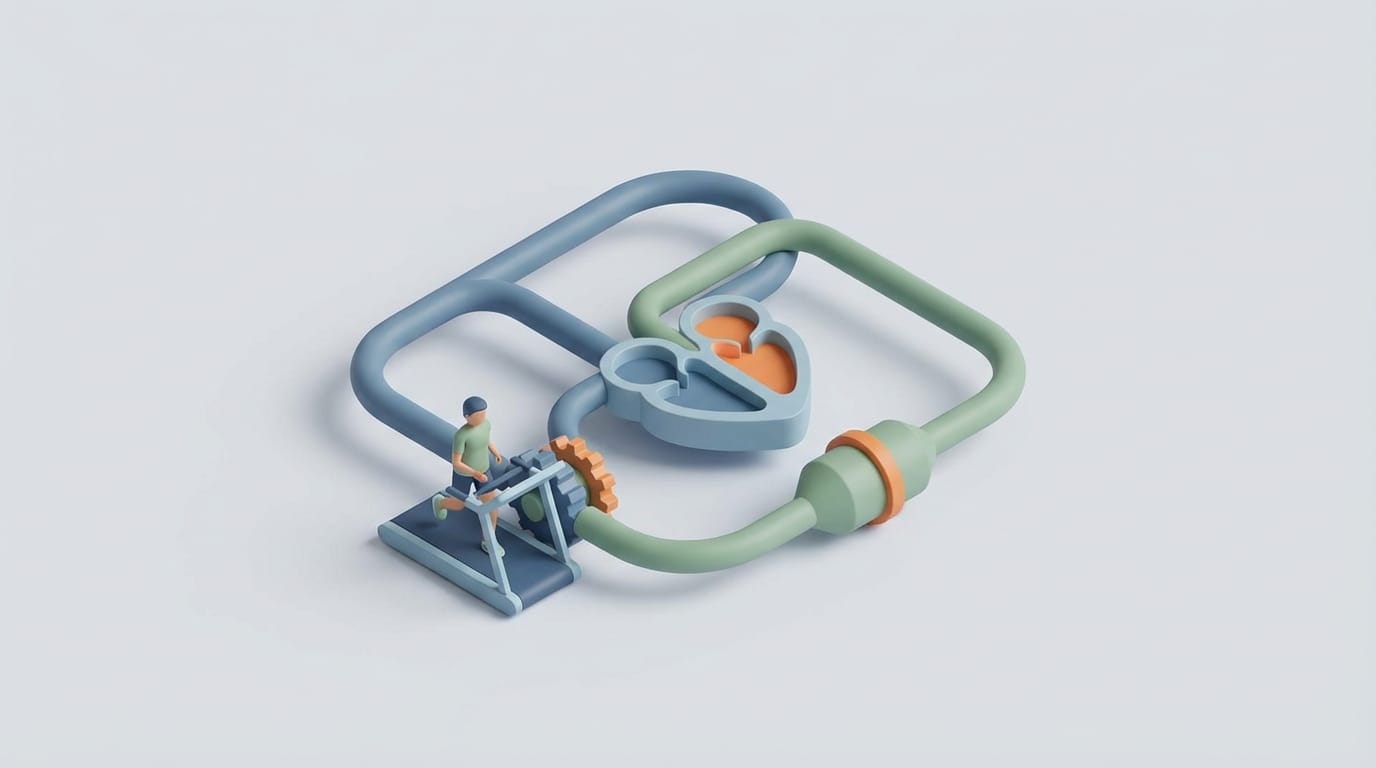
The true measure of a healthy heart is not how fast it can beat during a sprint, but how little work it performs while you rest. When picking cardiovascular exercises for heart health, we often focus on weight loss. However, weight loss is just a side effect of making your heart work more efficiently. At its core, your heart is a pump and your arteries are elastic pipes that carry life-giving fluid.
For adults who want to stay healthy or have a family history of heart issues, thinking of the heart as an engine is helpful. Improving heart health means increasing the amount of blood the heart moves with every beat. By choosing the right cardiovascular exercises for heart health, you change your body from a fast but weak state to a strong and efficient one. This shift helps keep your blood vessels young and resilient for a longer time.
This physical change is not just about staying power; it is about reducing wear on your body. When the heart becomes a stronger pump, it spends more time resting between beats. It needs fewer strokes to keep your blood pressure steady, which lowers the strain on every valve and vessel. This is like upgrading a small, loud engine to a large, quiet one that can drive fast while barely working.
The Mechanical Advantage of a Trained Heart
The main benefit of regular exercise is an increase in stroke volume, which is the amount of blood the heart pushes out in one beat. In a heart that does not exercise, the pump is small and the walls are stiff. This forces the heart to beat fast to keep up with what the body needs. When you perform cardiovascular exercises for heart health, the heart chamber expands and the muscle becomes more flexible. This growth allows the heart to push more blood through the body with every single beat.
How Exercise Increases Pumping Power
Two things happen when you increase your pumping power. First, the heart muscle stretches more as it fills with blood, which causes it to snap back and contract with more force. It works like a rubber band that gains more power the further you pull it back. Second, the heart muscle itself gets stronger and better at squeezing. Over time, these changes mean an active person might move much more blood per beat than someone who stays still, creating a huge jump in efficiency.
The Link Between Heart Rate and Life Span
Because your body needs a steady supply of oxygen, a stronger pump leads to a lower resting heart rate. If your heart moves more blood per beat, it does not need to beat as often. This extra rest time is vital because the heart only feeds itself with blood during the pause between beats. By slowing the rate, you give the heart muscle more time to feed and repair itself. Reducing these cycles over a lifetime is a top predictor of long life because it lowers the mechanical stress on the heart.
How Movement Restores Blood Vessel Health
While the heart is the pump, the arteries are the pipes. Their ability to stretch determines how hard the pump has to work. As we age, these pipes often get stiff, forcing the heart to pump against more resistance. Regular exercise starts a cleaning cycle that can reverse this stiffness and make blood vessels feel young again. This process is as vital as making smart energy choices to help your body stay balanced.
Reversing Stiffness Through Motion
When you exercise, the faster blood flow creates friction against the vessel walls. This friction is actually good for you. It tells the cells lining your vessels to stay strong and healthy. Studies show that regular training can lower the speed of pressure waves in your blood, which is how doctors measure vessel stiffness. Keeping these pipes flexible ensures that your heart does not have to fight against high pressure every second of the day.
The Role of Nitric Oxide
One of the best chemical changes from exercise is the release of nitric oxide. This molecule tells the muscles around your arteries to relax and open up. Regular movement increases the amount of nitric oxide in your system, which lowers blood pressure and stops plaque from building up. By keeping the vessels wide and soft, exercise ensures that oxygen reaches your brain and muscles easily, improving circulation and blood vessel health throughout the body.
High Impact Activities for Cardiovascular Exercises for Heart Health
Not all movement helps the heart in the same way. To get the best results, you should pick activities that use large muscle groups and require a steady supply of oxygen. Unlike lifting weights for muscle growth, which focuses on one area at a time, heart training requires flow through the whole body. Using your entire body forces the heart to move blood across a larger area, which speeds up the heart’s healthy growth.
Running, Swimming, and Cycling
Running is a top choice for heart health because it forces the heart to pump against gravity. Swimming offers a different perk; the water and your horizontal position help blood flow back to the heart faster. This allows the heart to fill up more, which stretches the chamber and builds better pumping power. Cycling is a great middle ground because it allows for hard work with less stress on your joints, making it a good choice for staying healthy long-term.
Low Impact Options for Progress
For those just starting out, walking with a weighted pack is a great tool. It makes a normal walk harder for the heart without the jarring impact of running. Brisk walking after meals also helps control blood sugar and heart health at the same time. The goal is to keep your heart rate high enough to cause change but low enough that you can keep going for 30 to 60 minutes. This ensures the heart stays in the zone where it builds the most efficiency.
Balancing Intensity for a Stronger Heart
When building a better heart, you must manage how hard you work. If you only do very hard workouts, the heart walls might get too thick without the chamber getting bigger. This can actually make the heart less efficient. The best cardiovascular exercises for heart health combine long, easy sessions with short, fast bursts to build a heart that is both large and powerful.
The Benefits of Easy Training
Easy training happens when you work at a pace where you can still talk. This level of effort is the most effective for building the power plants inside your cells. Having more of these power plants allows your heart and muscles to use oxygen better. This slow, steady work is what helps the heart chamber expand, creating the base for a high-volume pump.
Why Hard Intervals Help
While easy work grows the size of the heart, fast intervals strengthen the pump. Short bursts of hard effort force the heart to squeeze with a lot of power. This improves the strength of the heart walls. Using both methods ensures your heart can handle sudden stress, much like smart post-workout recovery prepares your body for the next day. This variety makes the heart ready for everything from climbing stairs to dealing with a busy day.
A Routine for Long Term Health
Consistency is what changes the heart. The heart does not rebuild itself in a day; it needs a steady signal over months and years to change its shape. For most people, the goal should be a total amount of exercise that helps the body grow without causing too much tiredness. Following a plan for cardiovascular exercises for heart health keeps you on the right track.
- Frequency: Try for 150 to 300 minutes of moderate activity each week, which is the standard goal for heart health.
- Time: Aim for at least 30 minutes per session to make sure you are working long enough to trigger cell growth.
- Rest: Include days for light walking or stretching to help your blood vessels clear out waste and repair themselves.
The cool-down period is also a key part of safety. After hard work, your blood vessels are wide open. Stopping too fast can cause blood to stay in your legs, which might make your blood pressure drop suddenly. Walking slowly for five minutes lets your heart return to its normal state safely. Just as how the body uses reflexes to stay balanced, you must help your body transition back to its resting state.
Measuring Success Beyond the Scale
If you are training for heart efficiency, the scale in your bathroom is not the best tool. Instead, look at the numbers that show the age of your heart. As you continue your cardiovascular exercises for heart health, you will see your resting heart rate start to go down. Dropping by five or ten beats over a few months is a clear sign that your heart is getting stronger and working less to keep you alive.
Tracking Recovery Speed
Another great way to track progress is to see how fast your heart rate drops after you stop moving. A healthy heart will drop by 30 to 50 beats in the first two minutes after a workout. This shows a strong heart and a healthy nervous system. If your heart stays fast for a long time after you stop, you likely need to spend more time building your aerobic base to improve efficiency.
The Power of Heart Health
By making your heart move more blood and keeping your pipes flexible, you are essentially making your body younger. A person who is fifty years old with a strong, flexible heart has a lower risk of health problems than a younger person who does not move. This isn’t about how you look; it’s about making your body easier to run. An efficient heart gives you more energy, helps your brain work better, and protects you against the diseases of aging. Investing in your heart is the most important maintenance you can do for your life.