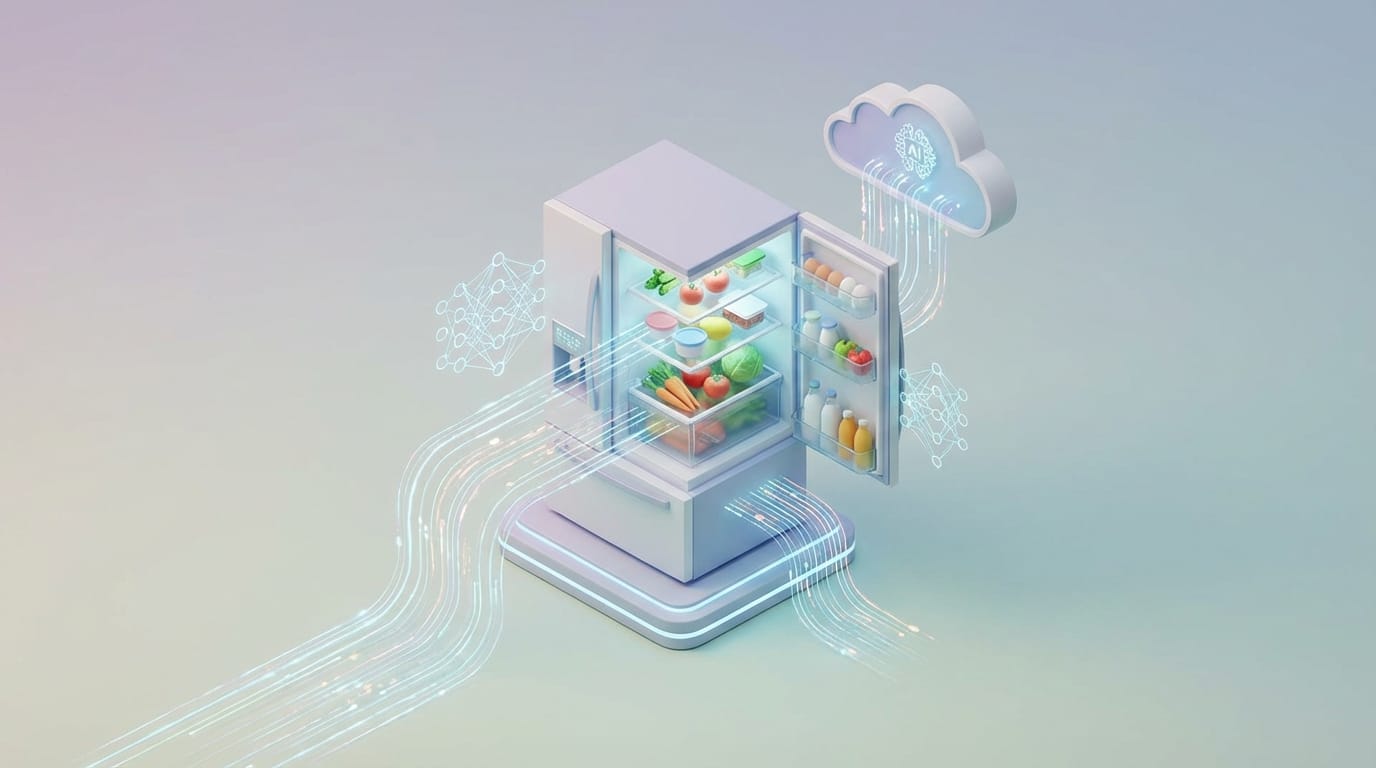
When a refrigerator moves from being a cold box to a manager of food, the way we shop and eat changes. Buying an AI smart refrigerator is not just about better cooling; it is about putting a smart brain in your kitchen. This system tracks what you eat and helps you see what you have for dinner before you even open the door. By solving the blind spot of home management, these machines turn a passive tool into an active helper that understands your daily habits.
This leap in technology fixes more than just small annoyances. Today, home efficiency depends on how well we close the gap between what we buy and what we eat. A smart fridge acts as the main hub for this new way of living, using clear data to match your needs with the modern food supply. Once the system learns your routine, the stress of planning meals begins to fade. It replaces manual work with a faster, more fluid way to handle food and waste.
The Evolution of Food Preservation into Intelligence
For a long time, the fridge had one simple job. It had to keep a steady, low temperature to stop germs from growing. In that old world, you were the only smart part of the system. You had to remember when you bought the eggs, check if the milk was sour, and keep the shelves tidy. Modern units change this balance entirely. Now, the AI smart refrigerator works as a manager that uses data to fix the air inside based on the specific items you store.
From Passive Cooling to Active Management
Old fridges use a simple switch that turns on the cold air when the temperature rises. Modern units look at your habits to guess when you will need more cooling. If the system knows your family comes home at five in the evening and opens the door often for snacks, it can chill the inside more deeply before they arrive. This move from reacting to acting keeps food fresh by stopping the small shifts in heat that make produce go bad early.
The Role of Machine Learning in Kitchen Appliances
New software lets appliances see and understand what they hold. By using smart networks trained on thousands of food photos, these fridges can tell a head of lettuce apart from a bag of spinach. This vision tech allows the machine to build a digital map of everything inside. Over time, the system learns what you like to eat. It notes which items you buy every week and which were just for one special meal, turning the appliance into a helpful assistant that knows your tastes.
Transitioning from Static Stockpiling to Dynamic Replenishment
The biggest change these systems bring is a shift in how we get our food. For years, the big weekly grocery trip was the standard. This model often leads to buying too much, which results in food ending up in the trash. A smart fridge helps you move to a system where you replace food as you eat it. This stops you from buying in bulk just to feel safe and instead focuses on what you actually need right now.
Moving Beyond the Fixed Weekly Grocery List
When your fridge keeps a live list of its contents, you no longer need to write things down on paper. You stop looking at a static note and start looking at a living set of data. This takes the work out of managing a home because the system shows you what is missing. By digitalizing daily tasks like checking the pantry, you can stop worrying about forgetting the milk. The milk simply arrives when you are low.
Real Time Inventory Tracking and Automatic Reordering
Connecting the fridge to delivery apps like Amazon Fresh or local stores lets the machine manage a virtual cart for you. When the sensors see that the egg carton is almost empty, they can add it to a list. You can then check and send the order with one tap on the door or your phone. This link between your kitchen and the store ensures you never run out of the basics. It makes the kitchen feel more like a service than a chore.
Core Technologies Powering the AI smart refrigerator
The power of these units comes from three main areas: vision, guessing patterns, and saving power. These parts work together to create a system that knows what is inside and how much energy it is using. When these three pillars stay in sync, the fridge becomes more than a tool; it becomes an extension of how you manage your home life.
Internal Computer Vision Systems
Most high-end models now use wide-angle cameras that take clear photos every time the door closes. The fridge processes these images to find different food groups and counts. These modern machines can identify dozens of food types with high accuracy, according to market research from Technavio. This means the fridge knows you have three apples and half a gallon of milk without you ever needing to scan a tag or enter data by hand.
Predictive Expiration Modeling
Knowing what is in the fridge is helpful, but knowing when it will spoil is even better. Smart tools now use math to guess how long fresh food will last. They combine the date you bought the item with sensors that check for gases given off by ripening fruit. This allows for better monitoring of your food. Instead of finding a soft pepper at the bottom of a drawer, you get a note suggesting you use it for dinner tonight before it goes bad.
Energy Optimization via Usage Patterns
Intelligence also helps with saving power. By learning when you rarely open the door, like during work hours or late at night, the fridge can enter a low-power mode. It might also perform deep cooling at times when power is cheaper or the air is cooler. This smart use of power mirrors how on-device AI hardware improves PC efficiency by focusing on using resources only when they are needed most.
For these features to work well, the fridge must be on a good network. Most current models use a standard called Matter. This helps different devices in the home talk to each other even if they come from different brands. This link makes the fridge a team player in the home rather than a lone machine in the corner.
Impact on Sustainable Living and Food Waste Reduction
The best reason to get a smart fridge might be its benefit to the planet. Food waste is a huge problem that often happens because we cannot see what we have. When food stays hidden, it stays uneaten. Smart tech shines a light on these hidden items, helping you use what you have before it turns into trash.
Recipe Suggestion Based on Current Inventory
One way to stop waste is to have the machine plan your meals. When the fridge sees that some kale and cream are about to expire, it can suggest a soup recipe that uses both. This turns potential trash back into a good meal. It saves you money and helps the environment at the same time. Some reports from groups like Reuters suggest that better home tracking could cut food waste by nearly half in the coming years.
Precision Temperature Zoning for Diverse Food Types
Different foods need different levels of cold. Old fridges often have cold spots that might freeze your salad or leave your meat too warm. A smart fridge uses small sensors and vents to create different zones of air. You might set one drawer for wine one day and then switch it to a deep freeze the next. This flexibility means the fridge adapts to your life, rather than you having to move things around to find the right spot.
Critical Hardware and Connectivity Requirements
Before you buy one of these units, you should understand the tech that keeps it running. A smart fridge is as much a computer as it is an appliance. This means you have to think about sensors, software, and how it talks to your other gear to get the most out of your purchase.
Sensor Reliability and Calibration
The system is only as good as the data it gets. Sensors for moisture and gas must be high quality. Over time, these parts can drift or get dirty, leading to wrong data. The best brands now include tools that check themselves. They will send you a note if a sensor needs a wipe or a fix. This is similar to how software updates protect and improve performance in your phone or laptop.
Software Ecosystem Compatibility
A fridge that does not talk to your phone is not very helpful. When you pick a model, look for one that works with standards like Matter or Zigbee. This lets the fridge do things like dim the kitchen lights when you go for a midnight snack or alert your TV if the door is open. Without this, the appliance stays in its own world, unable to help the rest of your home work better.
Data Privacy for In-Home Cameras
Having cameras inside a home can make some people feel uneasy. Most makers are moving toward processing images right on the fridge rather than sending them to the web. This keeps photos of your food private. Before you buy, check the rules on how the company stores your data. You want to know if they use your shopping habits to show you ads or if they keep your kitchen data for themselves.
Selecting the Right Model for Your Household Needs
Because these fridges cost more, they must offer a real gain in time or saved food. You should look at how the tech fits into your daily life and whether the smart features will last as long as the cooling parts.
Capacity vs Intelligence Tradeoffs
The smartest models often come in large designs with four doors. If you have a big family, you might find that the space for cameras and screens takes up a little bit of room for food. You have to balance the size you need with the digital perks you want. For many people, a fridge that stays organized and tracks food is better than a huge one where food gets lost and rots.
Long Term Support and Maintenance for Smart Components
A standard fridge can last fifteen years, but a screen or a chip might not. When looking at a model, check how the company handles updates. Can the fridge get new features over the air? Can you fix the screen if it breaks in five years? Thinking about these digital parts like you would for a laptop will help you pick a machine that stays smart for a long time.
Moving to a smart kitchen is about getting your time and money back. By switching from just buying food to managing it, you lower the stress of daily life and help the planet. The fridge is no longer just a cold box for storage. It is the brain of the kitchen that makes sure what you buy is what you eat. As these tools grow, the old way of doing a big grocery run might start to feel like a thing of the past.