
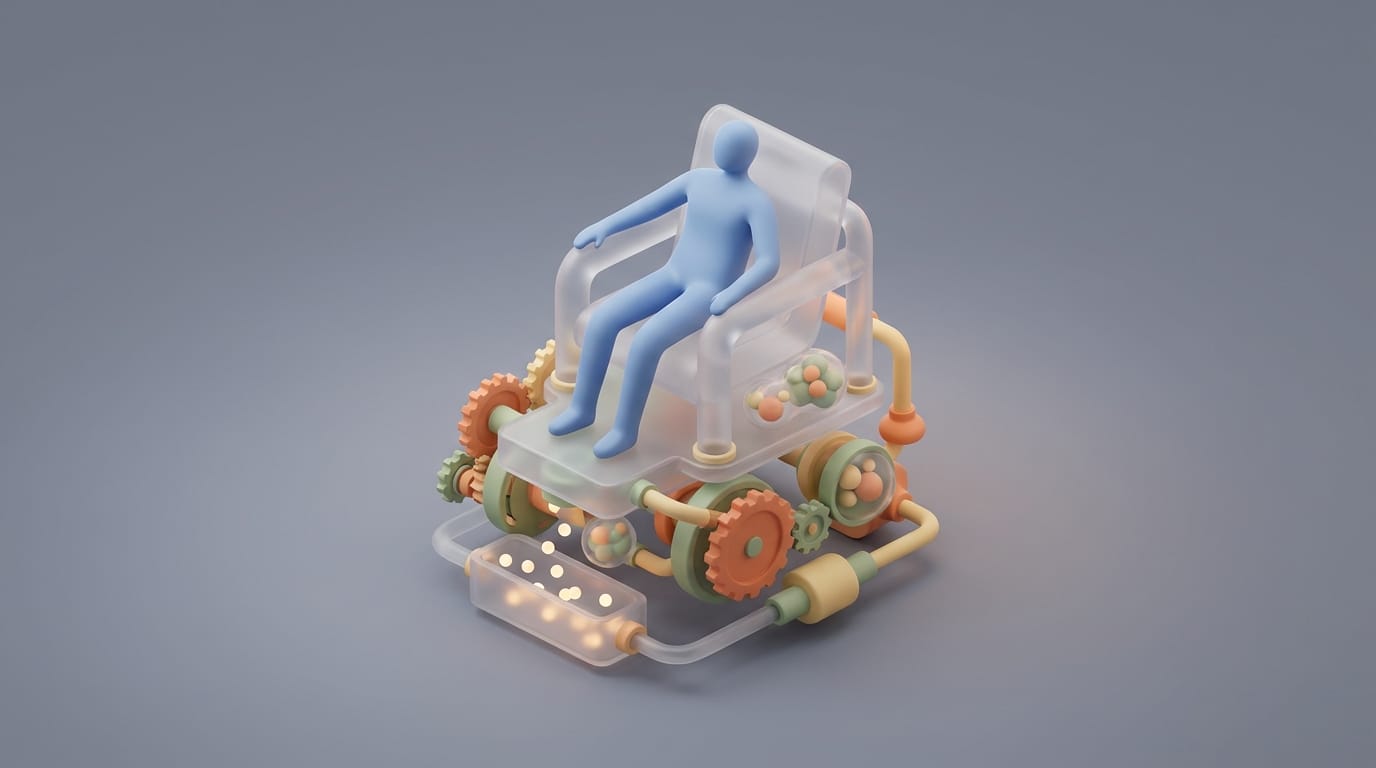
Most health-conscious professionals believe a morning gym session protects them from a long workday, but the body begins shutting down at a cellular level after just sixty minutes of stillness. Research into the biology of sitting reveals that inactivity is not merely a state of rest; it is a distinct physiological shift that changes how cells use fuel and manage vascular health. When the large muscles of the lower body remain static, the body enters a state of metabolic suppression that an hour of intense exercise later in the day cannot fully fix. This systemic power down triggers a rapid collapse of enzyme activity and slows the transport of glucose. For those in high-pressure careers, the risk of metabolic issues and heart disease increases with every hour spent in a chair. Maintaining health requires us to examine the specific cellular gatekeepers that fail when we stop moving and how brief interruptions can restart the system.
The Physiological Transition to a Sedentary State
When you transition from standing to sitting, your body does more than just save energy. It shifts into a state of metabolic suppression, which is a fundamental change in systemic signaling rather than a simple decrease in calorie needs. The moment you sit, the postural muscles in your legs and back (muscles designed for constant low-level use) fall into what researchers call electrical silence. This lack of muscle contraction sends an immediate signal to the rest of the body that active fuel management is no longer required.
Metabolic suppression vs simple energy conservation
Energy conservation usually implies a linear decrease in fuel use, but metabolic suppression is more aggressive. In a sedentary state, the body before anything else restricts its ability to clear fats and sugars from the bloodstream. Unlike the gradual fatigue experienced during muscle repair and recovery, the sedentary transition happens within minutes. The absence of muscle tension acts as a master switch, turning off the cellular pathways that maintain insulin sensitivity and lipid balance.
The skeletal muscle pump and systemic circulation
The human circulatory system relies heavily on the skeletal muscle pump to return blood from the legs to the heart. When you move, the rhythmic contraction of the calf muscles compresses deep veins, helping blood flow upward against gravity. Sitting effectively disables this pump, leading to blood pooling in the lower extremities. This stagnation reduces the physical friction on the walls of your blood vessels, which is the stimulus needed to produce protective molecules like nitric oxide.
The Biology of Sitting and the Shutdown of Lipoprotein Lipase
The most critical consequence of prolonged stillness is the rapid decline of Lipoprotein Lipase (LPL) activity. LPL is an enzyme located on the surface of the capillaries that serves as the primary gatekeeper for fat metabolism. It functions like a molecular vacuum cleaner, capturing passing triglycerides and breaking them down into fatty acids that muscles use for energy. Without active muscle contraction, LPL production and activity plummet, leaving fats to circulate in the bloodstream where they can contribute to arterial plaque and metabolic dysfunction. Understanding the biology of sitting means recognizing that your body stops processing these fats effectively the moment you become stationary.
The 90 minute threshold for enzymatic collapse
Research indicates that LPL activity is sensitive to inactivity. While many metabolic processes take days to shift, LPL levels drop significantly in as little as 60 to 90 minutes. Within this window, LPL activity can decrease by up to 90 percent, according to research published in the Journal of Physical Activity and Health. This means that even if you ate a healthy meal, your body loses the ability to process the fats in that meal simply because you have not stood up.
Why fat remains in the bloodstream when muscles are inactive
When the body suppresses LPL, the clearance rate of triglycerides slows to a crawl. Instead of being funneled into muscle tissue for use or storage, these fats remain in the blood. This prolonged exposure to high levels of circulating lipids is a hallmark of metabolic syndrome. The mechanics of LPL suppression in a sedentary state are fundamentally different from those during exercise. Intense training might increase LPL by a small percentage, but sedentary behavior suppresses it so thoroughly that the two states often exist in parallel. This creates a metabolic drag that gym sessions alone cannot overcome.
Impaired Glucose Regulation and GLUT4 Function
While LPL manages fats, a separate system handles blood sugar through glucose transporter proteins, specifically GLUT4. In a resting, sedentary state, GLUT4 transporters remain tucked away inside the cell. They only migrate to the cell surface to unlock the cell for glucose when they receive a signal, which typically comes from either insulin or muscle contraction. When you sit for hours, you eliminate the contraction signal, forcing the body to rely entirely on insulin to manage blood sugar. However, the biology of sitting keeps these glucose gates closed, making the process much less efficient.
Insulin independent glucose uptake in active muscles
One of the most remarkable features of skeletal muscle is its ability to take up glucose without the need for insulin, provided the muscle is contracting. This insulin-independent pathway is highly efficient and helps keep blood sugar stable. Without the mechanical stimulus of movement, the muscles become resistant to insulin in real-time, requiring the pancreas to pump out higher levels of insulin to move the same amount of sugar into the cells.
The impact of stagnation on insulin sensitivity
Over time, this reliance on higher insulin levels desensitizes the body’s receptors. Blood sugar spikes after eating are significantly higher in people who sit for long stretches. This is because the sedentary muscle is effectively deaf to the signal to take in fuel. Even low-intensity movement, such as walking at a pace that barely raises your heart rate, is enough to move GLUT4 to the surface and restore efficient glucose clearance. Maintaining cardiovascular efficiency is often discussed in terms of maximum oxygen use, but at the cellular level, this constant glucose traffic defines metabolic health.
The Myth of the Active Couch Potato
A common misconception among professionals is that a morning workout provides immunity against the dangers of a ten-hour workday. However, the biology of sitting creates a state that researchers call exercise resistance. This occurs when the physiological benefits of a workout are blunted by the systemic shutdown triggered by subsequent hours of stillness. You cannot undo eight hours of enzyme suppression with one hour of intensity; the frequency of the movement signal is more important than the total calories burned.
Why morning workouts do not neutralize sitting risks
The metabolic half-life of an exercise session is surprisingly short. While a run might improve your insulin sensitivity for several hours, the collapse of LPL activity happens regardless of your fitness level. In studies comparing office workers with identical exercise routines, those who took frequent standing breaks had better lipid profiles and lower blood sugar than those who performed a single intense workout but remained seated for the rest of the day. This suggests that the body requires frequent interruptions to maintain its metabolic baseline.
The frequency of signals vs total caloric expenditure
Metabolic health is governed by signaling, not just energy balance. While your gym session burns 500 calories, sitting for the next several hours sends a storage and suppression signal to your endocrine system. To combat this, the body needs a refresh signal every 30 to 60 minutes. This is why focusing on soreness or intensity as the only metrics of success is a mistake; the most valuable workout for your metabolism might be the two minutes you spend standing up to reach for a glass of water.
Vascular Consequences of Cellular Stagnation
Beyond the metabolic shutdown, sitting has profound effects on the physical structure and function of your arteries. As blood flow slows and pools in the legs, the reduced friction causes the cells lining your vessels to produce less nitric oxide. Nitric oxide is a critical molecule that keeps arteries flexible and prevents the inflammation associated with heart disease. Without it, the pipes of your circulatory system become stiffer and more prone to damage.
Sitting for prolonged periods has been linked to an increase in blood clot risk for each additional hour of sedentary time, according to clinical meta-analyses. This isn’t just about acute events; it is about the gradual loss of vascular resilience. This systemic stagnation also impacts how the brain and body communicate, as the nervous system must work harder to manage blood pressure and fluid distribution in an unnaturally static environment.
Restoring Metabolic Homeostasis Through Micro Movements
The metabolic machinery is as easy to turn on as it is to turn off. You don’t need a treadmill desk or a midday sprint to restart LPL production. The simple act of standing up and engaging the large muscles of the legs for just two minutes is enough to re-awaken the enzymes and transporters that have gone dormant. This is the core of Non-Exercise Activity Thermogenesis, the energy expenditure of everything we do that is not formal exercise.
The impact of brief muscular recruitment on LPL
When you stand, the postural muscles undergo a twitch that immediately spikes LPL activity. This small muscular recruitment sends a signal to the capillaries to begin clearing triglycerides again. Research shows that standing for five minutes every half hour can reduce insulin responses after meals by nearly 20 percent compared to continuous sitting. These micro-movements act as a biological reset, preventing the collapse of your metabolic rate. Even the minor stresses involved in bone remodeling are supported by these frequent interruptions to the sedentary state.
Practical integration of metabolic interruptions
The most effective strategy for the modern professional is to treat standing as a non-negotiable part of the day. Set a timer for 30 minutes and stand for two minutes when it goes off. This is not about burning calories, but about toggling the metabolic switches in your cells. By maintaining a high frequency of these micro-signals, you prevent the deep enzymatic shutdown that leads to long-term disease, ensuring that your body remains an active, fuel-burning machine even during a busy workday.
Understanding the internal mechanisms of the body transforms how we view daily routines, shifting the focus from a single hour of exercise to a continuous cycle of movement and rest. When we recognize that our metabolic machinery is sensitive to even an hour of stillness, the break becomes more than a pause in work; it becomes a necessary intervention for cellular survival. By integrating these brief interruptions into our lives, we move beyond the active couch potato paradox and build a foundation for lasting health. The future of longevity is found not just in the intensity of workouts, but in the consistency of the refusal to stay still.