
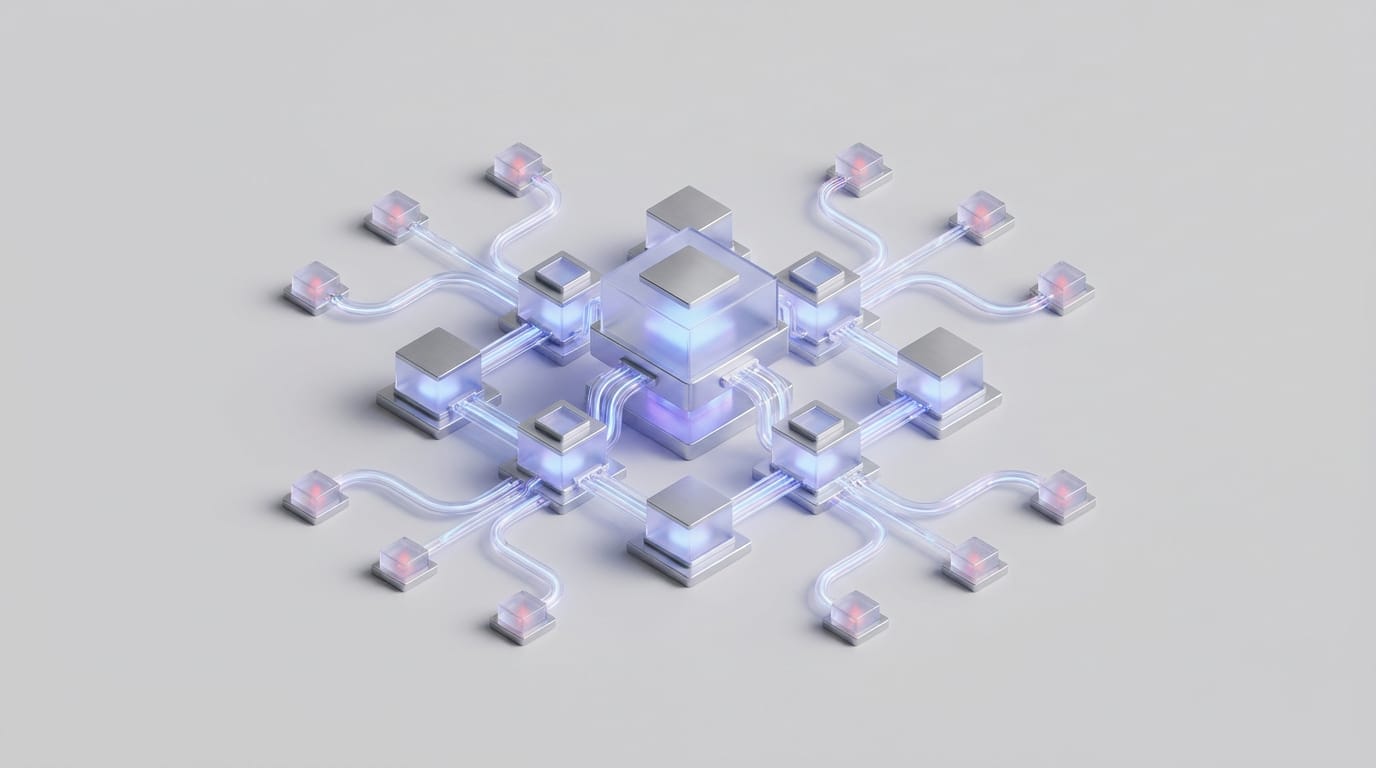
Most security teams treat command and control traffic as a recognizable signal to be blocked; however, modern attackers have hidden their C2 infrastructure inside the cloud services your organization trusts to function. This shift from obvious, dedicated hardware to ephemeral cloud channels has changed how we understand persistence. Today, the goal of a complex threat actor is no longer to bypass your firewall, but to blend into the noise of your standard business operations.
When we look at Advanced Persistent Threats (APTs), the infrastructure acts as the nervous system that keeps the malware alive after the initial breach. Without a reliable way to send instructions and receive data, even the most advanced zero-day exploit becomes a one-off event rather than a sustained campaign. To understand why modern defenses often fail, we must look past the individual malware sample and examine the layered systems that manage it.
The Structural Hierarchy of C2 Infrastructure
A mature C2 infrastructure rarely uses a single server; instead, it relies on a distributed, multi-tiered architecture that isolates the attacker from the target. By separating the work backend from public-facing endpoints, attackers ensure that even if one node is discovered, the core of the operation remains intact.
Tiered Server Architecture and Redirection
The most common setup involves three distinct layers: the backend server, the redirectors, and the staging servers. The backend server acts as the central brain hosting the database and the operator console while remaining hidden from the public internet. It communicates through a series of redirectors, which are lightweight VPS instances or compromised web servers that sit between the victim and the attacker.
When an infected host sends a callback, it hits a redirector first, which then forwards that traffic to the backend through an encrypted tunnel. If a security analyst traces the traffic, they only see the redirector; the attacker can instantly destroy and replace this node without losing any data. This architectural insulation makes finding the source and taking down the network difficult.
The Role of Beacons and Implant Agents
Security teams typically call the software running on the victim’s machine a beacon or an implant agent. Unlike traditional botnets that maintained constant connections, modern implants establish slow contact cycles. They are programmed to check in at specific intervals, download a small task, execute it, and then go back to sleep.
This heartbeat, or callback interval, is the lifeline of the persistent threat. If an agent fails to check in, the attacker knows the host has been cleaned or the connection is blocked. By keeping these callbacks infrequent (sometimes only once every few hours), attackers minimize the risk of triggering alerts in network traffic monitoring tools.
The Evolution of Living off the Cloud
The most significant shift in C2 infrastructure over the last few years is the move away from rented servers toward living off the cloud. Attackers no longer need to buy suspicious domains or VPS instances with no reputation; they use the high-reputation APIs and traffic patterns of the enterprise services you already use.
Weaponizing Enterprise SaaS and Cloud APIs
Modern attackers often hide command delivery inside platforms like Slack, Google Drive, or Microsoft Graph. For example, a malware agent might poll a specific Google Doc for its next instruction or post encrypted data as a comment on a GitHub repository. Because this traffic goes to a known cloud provider over HTTPS, traditional firewalls cannot easily distinguish it from a regular employee working on a project.
Cloud-conscious intrusions have increased recently, according to Recorded Future’s analysis of the cloud threat environment. Threat actors have realized that cloud misconfiguration security breaches provide the perfect environment to host malicious logic while using the host’s existing reputation.
Blending Traffic with Legitimate Web Services
Traditional IP-based blacklisting fails against cloud-native C2 because the IP addresses belong to massive providers like AWS, Azure, or Cloudflare. If you block the IP of a malicious endpoint hosted on AWS Lambda, you might block half of your legitimate business tools. Attackers exploit this dependency by using serverless functions and content delivery networks (CDNs) to mask their destination. This technique ensures their traffic remains invisible within modern security models that focus on identity.
Evasion Mechanisms in Modern Command Channels
Once an attacker establishes a channel, the next priority is staying undetected by behavioral analysis tools. They achieve this by introducing randomness and masking techniques that break the signatures defenders rely on.
Jitter and Sleep Profiles to Break Signatures
If a malware agent calls home exactly every 60 seconds, it creates a heartbeat signature that is easy to detect. To counter this, frameworks like Cobalt Strike or Sliver use jitter. Jitter adds a random percentage of time to each sleep interval. For example, if the sleep time is 60 minutes with 50% jitter, the agent will check in at random times between 30 and 90 minutes.
This randomness destroys the statistical patterns used by automated detection systems. When combined with custom malleable profiles (which allow attackers to change the look of their HTTP headers and payloads), the traffic can mimic anything from a standard Windows Update to a music stream.
Domain Fronting and Encrypted Tunneling
While many CDNs have stopped domain fronting, attackers still use Server Name Indication (SNI) manipulation to hide their traffic. By placing their C2 traffic inside a legitimate encrypted tunnel, they ensure that even deep packet inspection struggles to see the payload. The transition toward hardware-bound security has forced attackers to become more creative, often embedding commands in the metadata of standard API calls.
Operational Lifecycle of a C2 Session
The lifecycle of a C2 session is a sequence of events designed to move from initial access to full domain control. It begins with the initial callback, which is the most critical window for defense. If the security team can identify and sever that first check-in, the entire attack chain collapses.
Initial Callback and System Discovery
The first time an implant runs, it performs a check-in to tell the operator it is active. This callback usually includes metadata about the system, such as the hostname, user privileges, the operating system version, and active security tools. This phase is often automated; however, once an attacker identifies a high-value target, a human operator will take control to guide the next steps.
Payload Delivery and Lateral Movement Coordination
Once the operator is in control, the C2 becomes a pivot point. The attacker uses the channel to push new modules (like credential harvesters or network scanners) into the target environment. This is where modern malware detection is most likely to catch the activity, as the attacker begins to interact with the OS in unusual ways. The C2 infrastructure manages these secondary payloads, ensuring they only download when needed and stay in memory to avoid leaving traces on the disk.
Defensive Strategies through Behavioral Baseline Analysis
Because modern C2 is designed to evade signatures, the defense must shift toward statistical and behavioral analysis. We can no longer rely on knowing what bad looks like; we must understand what normal looks like for our specific environment.
Identifying Outlier Egress Traffic Patterns
Instead of looking for a specific domain, analysts look for communication patterns that fall outside the norm. This involves identifying internal hosts that communicate with external IPs or cloud services in a way that is unusual for their role. For example, a workstation in the HR department sending 2KB of data to an AWS Lambda URL every hour is a clear behavioral outlier that requires a check.
Research into Jitter-Trap techniques suggests that even randomized beaconing leaves a structural signature. According to Varonis Threat Labs, while jitter destroys timing patterns, the consistency of the flow and the specific size of the packets often remain constant, allowing for detection through behavioral timelines.
Inspecting Cloud API Calls for Anomalous Metadata
As attackers move toward living off the cloud, defense must include monitoring for unusual API usage. This means looking for service accounts that access Microsoft Graph in new ways or seeing traffic to known dead-drop locations like public profiles or paste services. This requires a shift to seeing identity as the new perimeter for enterprise security, where the focus is on the permission and intent of the actor rather than just the IP address.
Effective modern defense relies on strict egress filtering and TLS inspection. By decrypting and inspecting traffic at the edge, organizations can unmask the command channels that would otherwise hide behind legitimate certificates. Without this visibility, the C2 remains a ghost in the machine, operating silently within the tools your team uses every day.
The resilience of C2 infrastructure lies in its ability to adapt to the environments it targets. As we move further into a cloud-native world, the line between legitimate administrative traffic and malicious command delivery will continue to thin. Understanding this system is not just about blocking IPs; it is about recognizing the fundamental patterns of contact that an attacker cannot avoid. If you can understand the structural requirements of a command channel, you can build a defense that is as persistent as the threats themselves.