Many people think the story of Venezuela is just about oil prices. They think the country fell apart because oil became cheap. This is not the whole truth. The economic ruin happened because leaders broke the country’s democratic rules years ago. To understand the nation today, you need the Venezuelan crisis explained as a failure of how the state works. It was a failure of the rules, not just a change in the oil market.
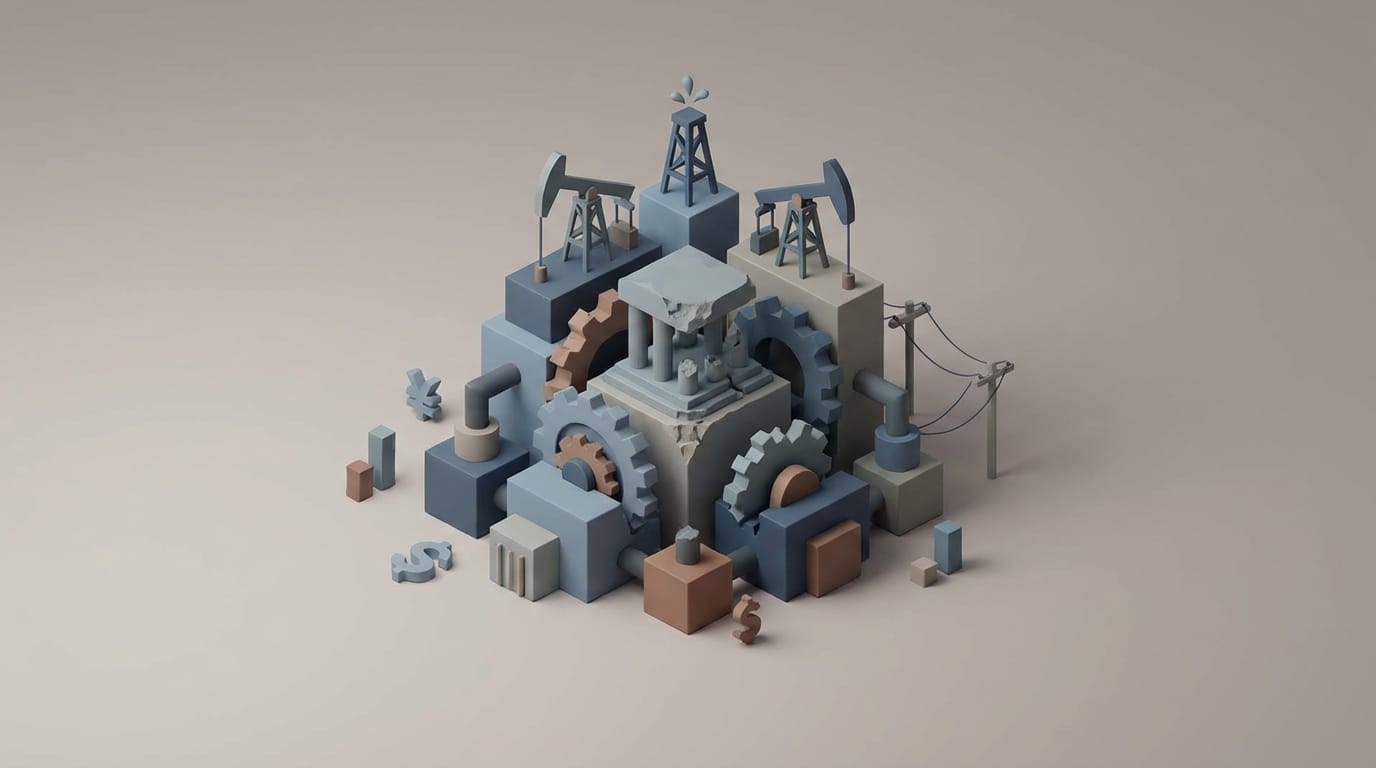
Think of a country like a car. In Venezuela, the “engine” was the oil industry. The “control system” included the courts and the law. The leaders turned off the control system long before the engine stopped. This allowed them to make bad choices. These choices felt good at first. But they made the country weak. When a big shock hit, the country could not survive it. You can see how this happened by looking at the history of the state.
Historical Context of the Venezuelan State
To understand the present, you must look at the old rules of the state. For much of the 20th century, people saw Venezuela as a stable place. Other countries in South America had military coups. Venezuela had elections. This peace came from the Puntofijo Pact. This was a deal made in 1958. Three main political parties agreed to respect each other. They agreed to share power and respect the results of votes. This system brought peace for forty years. However, it also created a small group of leaders. These leaders slowly lost touch with the people they served.
The Era of the Puntofijo Pact
Under this system, oil money built a large middle class. The government built roads and schools. But by the 1980s, the system was rotting. People called this “technical debt.” Corruption was everywhere. When oil prices fell in the 1980s, the government cut spending. This led to a huge protest in 1989 called the Caracazo. Many people died. The public began to hate the old parties. They felt the leaders used oil wealth for themselves. The poor felt left behind. They wanted someone to change everything.
The Rise of Hugo Chávez and the 1999 Constitution
Hugo Chávez was a soldier. He tried to take power by force in 1992 but failed. However, his message stayed with the people. He promised to break the old system. In 1998, he won the election. His first big project was a new constitution. He passed this in 1999. This new law changed the state. It made the president’s term longer. It removed the senate. It created new parts of the state that the president could control. Chávez said this gave more power to the people. In reality, it gave the president control over every other part of the government. This was the start of the crash.
Venezuelan Crisis Explained: The Mechanics of Institutional Failure
The real secret of the collapse is that the money problems came from bad rules. In a machine, you have safety switches. These stop the machine if it gets too hot. Venezuela’s leaders removed these switches. When a leader can spend money without any checks, they will eventually make a huge mistake. Over a long time, the chance of a crash becomes 100%. This is what happened in Venezuela.
The Systematic Removal of Checks and Balances
Starting in 2000, the president began to hollow out the state. This did not happen all at once. It happened in small steps. In 2002, some people tried to remove Chávez from power. After he stayed in power, he moved faster. He put his own supporters in every office. He took over the groups that watch the money. The group Transparency International has shown how this worked. Without people to watch the money, the leaders could steal or waste it. This lack of oversight is why the money disappeared.
Judicial Capture and the Loss of Law
The leaders grew the size of the Supreme Court. They filled it with people who agreed with them. This meant the court would never say “no” to the president. Any law the president liked was okayed. Any law he hated was called illegal. In 2015, the people voted for a new congress that did not like the president. The Supreme Court simply took away the power of that congress. The law was no longer a tool for justice. It was a tool for the people in power. Without a fair court, no one could stop the government from taking property or printing too much money.
Oil Wealth and the Mechanics of Economic Decline
Venezuela has the largest oil reserves in the world. For a long time, people thought this made the country safe. However, you can see the venezuelan crisis explained through how they used this oil. It became a “resource curse.” The state stopped treating oil like a business. They started treating it like a bank account with no limit. They used it to pay for political goals. They forgot that oil wells need work and care to keep running.
The Politicization of PDVSA
PDVSA is the state oil company. It was once one of the best in the world. In 2003, workers went on strike to protest the government. Chávez fired 18,000 of them. Many were experts like engineers and managers. He replaced them with people who were loyal to his party. The company’s goal changed. It stopped focusing on producing oil. It started paying for social programs called “Missions.” The government took the money for repairs and spent it on elections. The pipes and pumps began to break. Data from the U.S. Energy Information Administration shows that oil production started to fall. This happened years before the price of oil crashed in 2014.
Dutch Disease and the Failure to Diversify
Venezuela is a perfect example of “Dutch Disease.” This happens when one product like oil makes a lot of money. It makes the local currency too strong. Then, other things like corn or cars become too expensive to sell. Instead of building other businesses, the government used oil money to buy everything from other countries. By 2012, Venezuela imported almost everything people needed. They bought beef from Brazil and toilet paper from the U.S. When oil prices fell, the country had no other way to make money. They had no farms or factories left to feed the people.
From Policy Failure to Hyperinflation
When the oil money stopped, the government did not stop spending. They tried to fight the market. They made choices that made things much worse. These choices turned a bad time into a total collapse. You cannot ignore the laws of math and expect to win.
Currency Controls and the Black Market
In 2003, the state started a system called CADIVI. It controlled how people bought foreign money like dollars. The goal was to keep money in the country. But it created a mess. The government set a fake price for the dollar. If you were a friend of a leader, you could buy dollars for a very low price. Then you could sell those dollars on the street for ten times more. This is called arbitrage. It was a way for people in power to get rich. It drained the country’s savings. Real businesses could not get the dollars they needed to buy tools or seeds.
Expropriation and the Flight of Capital
Prices started to rise. The government blamed businesses. They started taking over private companies. They seized farms and factories. They said the state would run them better. They were wrong. When the state took a farm, production fell. The new managers did not know how to grow food. They did not care about profit. Farms became empty fields. Factories stopped making goods. This created a huge shortage. This makes the Venezuelan crisis explained by a simple fact. There was too much money and not enough stuff to buy. When that happens, prices go up forever. This is hyperinflation.
When you destroy prices, you destroy the information in the economy. Without prices, no one knows what to build or what things are worth.
The Maduro Era and Political Deadlock
Hugo Chávez died in 2013. Nicolás Maduro became the new president. He was not as popular as Chávez. He also did not have high oil prices to help him. He took over a system that was already broken. He did not have the skill to fix it. He did not have the money to pay for his mistakes. He chose to use force to stay in power.
Transition of Power and Contested Legitimacy
Maduro won the 2013 election by a very small amount. Many people said the vote was a lie. As things got worse, people grew angry. In 2018, he held another election. Groups like the Organization of American States said the vote was not fair. This led to a big problem. Many countries did not think Maduro was the real president. They recognized Juan Guaidó instead. This left the country with two leaders. This fight stopped the country from fixing its debt with other nations.
State Repression and the Military Alliance
Maduro stayed in power because of the military. He gave the generals control of the food and the mines. This made the generals rich. They knew they would lose everything if Maduro fell. So, they stayed loyal. The state stopped being about helping people. It became about protecting the leaders. They used the police and the army to stop protests. They watched the people to keep them quiet. This is how the system stays alive even when the people are hungry.
International Dimensions and Geopolitical Pressure
The venezuelan crisis explained in a global view shows a fight between big powers. Venezuela used to be a friend of the West. Now, it has turned to other partners for help. These partners help the leaders stay in power while the people suffer.
The Role of US Sanctions
The U.S. put sanctions on Venezuela. These are rules that stop people from doing business with the state. At first, they targeted specific leaders. In 2019, they targeted the whole oil industry. Experts at the Council on Foreign Relations talk about this a lot. Some say the rules make life harder for the poor. Others say they are the only way to pressure the leaders. Think of sanctions as a fire starter. They did not start the fire in the engine. But they made the fire burn much hotter. They make it very hard to fix the country today.
Strategic Alliances with Russia, China, and Iran
Venezuela looked for new friends to survive the sanctions. China gave billions of dollars in loans. Venezuela promised to pay them back with oil. Russia sent help to the military. They also helped sell Venezuelan oil. Iran sent ships with fuel and parts to fix the oil plants. These deals helped Maduro stay in power. But they also sold the country’s future. Venezuela now owes its oil to foreign powers for years to come. This makes a recovery even harder.
The Humanitarian Cost and Global Migration
The worst part of this failure is the cost to humans. When a state fails to provide power, water, and food, people must leave. This has created a massive crisis. It is one of the largest movements of people in history. It shows what happens when the social contract breaks.
The Collapse of Public Infrastructure
The systems that keep life going are breaking. The power grid and the water pipes are failing. Most of the power comes from the Guri Dam. No one has fixed the dam in years. In 2019, the whole country went dark for days. Hospitals do not have simple things like soap or bandages. They do not have clean water. These are not just small errors. They are the total collapse of the state. The government can no longer provide the basics for life.
The Venezuelan Diaspora and Regional Impact
The UNHCR says over 7 million people have left Venezuela. That is one out of every four people in the country. This is a “brain drain.” The people who leave are often doctors, teachers, and engineers. These are the people the country needs to rebuild. Their loss makes the future look very dark. This movement of people also affects other countries. Colombia and Peru have taken in millions of refugees. This puts a strain on their schools and hospitals. The crisis is now a problem for the whole world.
Conclusion: The Difficulty of System Recovery
Fixing Venezuela will not be easy. You cannot just change the leader and expect everything to work. The “rules” of the state are broken. The laws and the trust are gone. A recovery will need a lot of money from the International Monetary Fund. But money is not enough. The country must build new courts. It must build new rules for the oil industry.
The country needs safety checks back in place. Without them, the same cycle of decay will happen again. The venezuelan crisis explained here is a warning. Economic health comes from honest rules. When leaders break the rules for power, the whole system will eventually fall apart. You cannot have a strong country with weak laws.