A user-generated content platform lives or dies by its money system. You need strong ugc platform monetization strategies to grow for a long time. These plans should move past simple ads. You must build a real economy that helps creators stay on your site.
When your site gets many users, you face a new problem. You must keep the money steady. If creators do not have a clear way to get paid, they will leave. The best creators drive your growth. If they move to a new site, your system has failed. This usually happens because the site designers do not understand how digital money works at scale.
The Evolution of Creator Money Models
In the past, sites saw creators as products for the ad market. This model is simple to set up, but it causes problems. The site wants many views to make advertisers happy. Creators then have to chase trends to get those views. This may not fit their skills. It makes the work unstable. Creator pay depends on math they cannot see or control.
The Problems with Ads
Models that rely on ads are weak. They depend on the outside market. When the economy gets bad, companies cut their ad budgets first. This leads to a fast drop in pay for creators. These models also lose money to middle-man tech firms. A big part of the value never reaches the creator or the site.
From a design view, ad revenue is a passive model. The site just passes along attention. This stops the site from helping creators grow. When you only pay for views, creators often make loud or fake content. This hurts your brand over time. It also makes the user experience worse.
Building a Sustainable Economy
A good digital economy lets people trade with each other. The site helps the deal and takes a small fee. This moves from selling attention to selling a service. You want to build a middle class of creators. These are people who earn a fair living. You do not want a site where only a few people at the top get rich.
By using ugc platform monetization strategies, you can reward good work. Do not just look at views or likes. Look at how much money a follower spends over time. Look at how often fans come back to buy from a creator. This helps you build a system that lasts.
Core ugc platform monetization strategies
Great sites build money tools from the start. You should not add them as an afterthought. You need to build tools that let creators sell to their specific fans. Your goal is to make paying very easy. Supporting a creator should be as fast as watching a video.
How Fans Pay Creators Directly
Tips and small buys allow for fast trades. These work best when you use your own site credits or tokens. You should separate the act of buying credits from the act of spending them. This makes it feel easier for the user to spend. Services like Stripe help sites handle many small payments with no delay.
Sending money across borders is hard. There are many rules and high fees. To fix this, many sites use a virtual currency. This makes the user experience better. It also lets the site run its own money policy. You can give rewards to fans who support new creators or join events.
Subscriptions and Group Access
Subscriptions give creators steady pay. This lets them spend more on better tools and better work. You can set up different price levels for fans. Sites like Patreon do this well. It turns fans into members of a community.
You need a strong system to manage who can see what content. This backend must track payments in real time. It must handle late payments and price changes. If you do this well, users will stay on your site. They have a financial link to the creators they love.
Optimizing ugc platform monetization strategies through Circularity
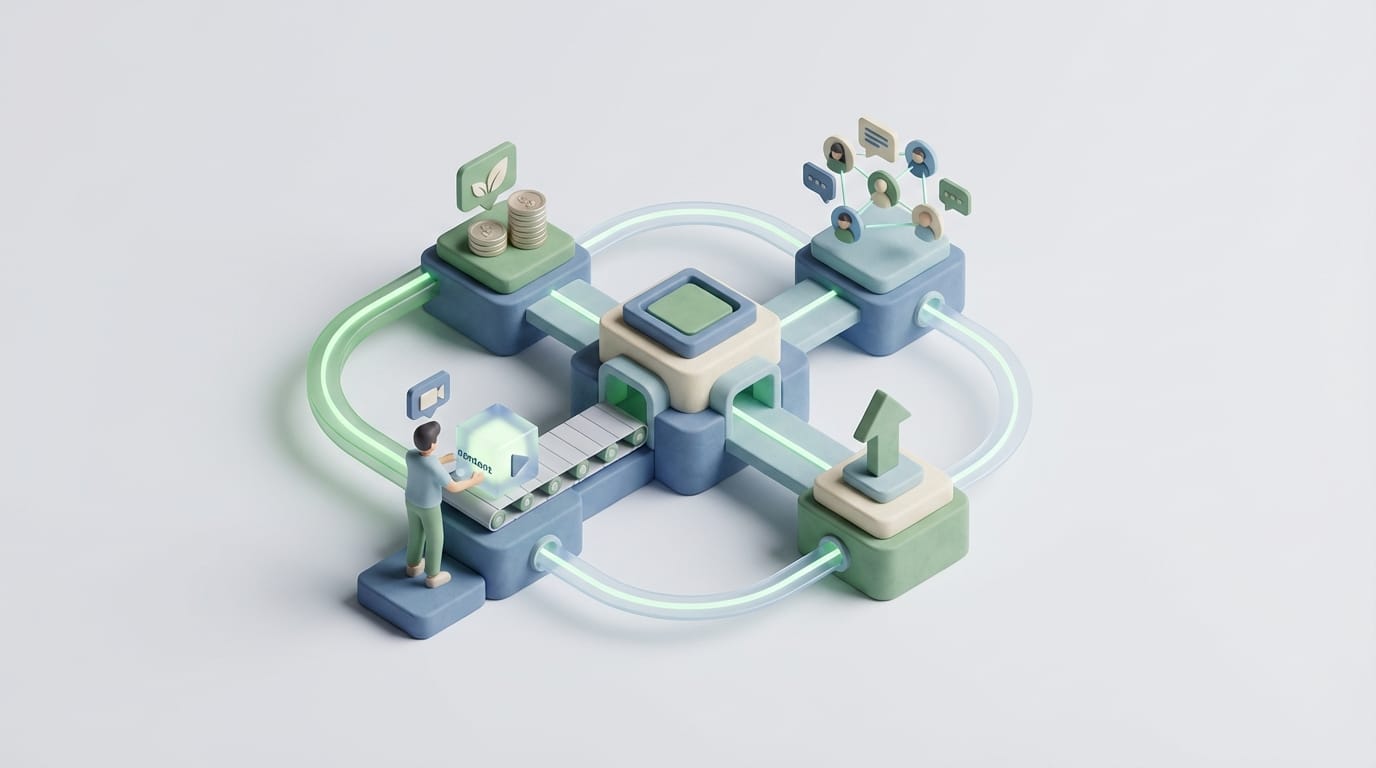
The best sites build circular economies. In these systems, money stays inside the site for longer. The site sells tools to the creators to help them grow. This creates a loop. When a creator wins, the site makes money from services. Then the site uses that money to build better tools.
Selling Tools to Creators
Do not just take a percentage of every dollar a creator earns. This can feel like a tax. Instead, sell them professional tools. You can offer deep data reports or AI tools. You can also offer rights to use music. This is a software model. It costs you very little to give out digital tools, but they help the creator a lot. It links your success to how professional your creators become.
Internal Shops and Digital Assets
You can build a shop for digital goods. Creators can buy filters or 3D models from each other. When this happens, the money stays in your system. The site takes a small fee for the trade. The site also makes sure the trade is safe.
You can see this in sites like Roblox or Unity. When creators buy and sell the parts of their work, your site becomes vital. It is part of how they do their jobs. The more they buy, the less likely they are to leave for another site.
Technical Infrastructure for Money Systems
A smart money model needs strong plumbing. Your backend must be safe and fast. It must handle huge growth. If you cannot pay people on time, your ugc platform monetization strategies will fail. Complexity will break the system.
Using APIs for Finance
Do not build your own global payment system. It is too hard. Use APIs from experts. Companies like Adyen or PayPal handle the laws and the different types of cash. They make sure you follow the rules in every country.
Your tech should keep your site ledger separate from the payment tool. This lets you change your money logic easily. You can add new features without breaking the link to the bank. It also helps you add local payment types in new markets.
Splitting Pay Automatically
Creators often work together. You need a way to split the money. If a video uses a song from one person and art from another, the system should pay both. You can set the percentages before the work starts. This stops fights. It also removes a lot of office work.
You can use code to make these deals. This is called a smart contract. It lives in your site ledger. By making splits automatic, you help people work together. This builds trust. Creators can see exactly how and when they get their money.
How to Measure a Healthy Money System
You must watch more than just total sales. You need to see how the money moves. This tells you if the site will last. You must look at who has the money and how they use it.
The Creator Gini Coefficient
The Gini coefficient is a way to see how money is spread out. In a site, it shows if a few people have all the cash. If the top 1% have all the money, your site is in danger. If those stars leave, you lose your value. A healthy site wants a strong middle class. You should track this number every time you change your code.
Tracking Reinvestment
You should also track how much money creators spend back on your site. We call this the Reinvestment Rate. If creators spend money on your tools or your shop, they trust you. They see you as a partner in their business. They are not just here for a quick buck. These creators are your most stable members.
Balancing the Needs of Everyone
Your money plans must keep everyone happy. You have to balance the needs of the site, the creators, and the fans. If one group feels cheated, the system will break. This takes a soft touch.
Keeping Creators for the Long Term
Fees should be fair. You might take a higher cut from new people to cover your costs. As a creator grows, you can lower that cut. This works like a loyalty discount. It keeps big stars from building their own sites. Twitch has used models like this to keep talent. You must also talk clearly about any fee changes. This builds trust.
Managing Digital Cash
If you use your own digital cash, watch the supply. If you give out too many rewards, the value drops. This is called inflation. It makes the hard work of creators feel worth less. You must keep digital items rare so they stay valuable.
Treat your site like a living economy. Move away from ads and toward services. This makes your success and the creator’s success the same thing. It is the best way to grow.