
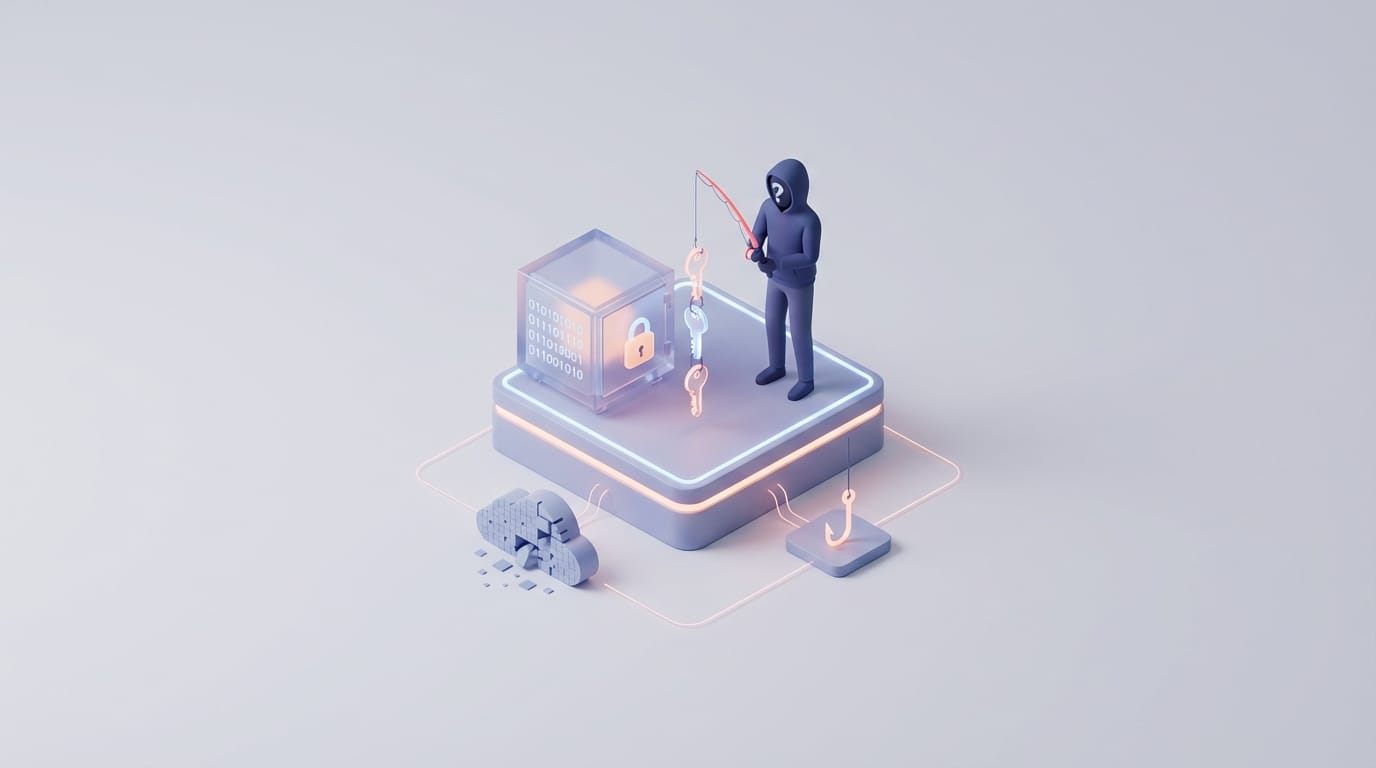
Firewalls protect servers. But social engineering scams target you. These attacks use feelings to get past security. We must look at how our brains work to understand these threats. Attackers find ways into our digital lives by using our natural instincts.
The Vulnerability of Human Hardware
Cybersecurity often focuses on software. But you are the most common weak point. We call this “Human Hardware.” You cannot patch your brain like a server. Your instincts stay the same over time. Attackers know this and use it to their advantage.
Why People Are the Weakest Link in Security
Security systems use logic. Humans use feelings. It is easier to trick you than to break a code. One human mistake can ruin expensive systems. You might click a bad link because you are tired. This is a failure of how we process info. Attackers find the gap between what you want to do and what you actually do. They wait for you to feel rushed or stressed. Then they strike.
A person might work for a large company. That company spends millions on tech defense. Yet one worker can let a hacker in. They do not do this on purpose. They just react to a trick. The attacker wins because they hack the person, not the machine.
The Concept of Cognitive Hacking
Cognitive hacking changes how you see things. Attackers feed your brain bad data. They copy the look of a trusted site. This tricks your brain. Your brain sees a familiar logo and feels safe. This is a mistake. Once they change what you see, they control what you do. They make you believe your bank account has a problem. Then you follow their steps. Your actions feel right in that moment. But those actions cause the security breach.
The Psychology of Deception: Anatomy of Social Engineering Scams
We can use the Fraud Triangle to understand these attacks. This model has three parts. These are Pressure, Opportunity, and Rationalization. If all three exist, the scam will likely work. Attackers build their plans around these three points.
Pressure: Creating a Sense of Urgency
Scammers use fake deadlines. This stops you from thinking. Your brain shifts from logic to emotion. Experts call this an “amygdala hijack.” You act before you think. They might say your account will close in one hour. This makes you rush. You ignore safety rules to save your account. This pressure is a tool. It makes speed more important than safety. You stop checking if the source is real.
Opportunity: Exploiting Technical Gaps
Opportunity is the setting for the scam. It might be a confusing office rule. It could be a hidden web address on a phone. Attackers wait for these gaps. They might send a fake email during a big software update. You expect emails then. So the fake one looks real. Using a mobile phone creates more opportunity. Small screens hide the full link. This makes it hard to see a fake web address.
Rationalization: Helping the Victim Justify the Action
Scammers help you justify your actions. Most people want to help others. If a scammer acts like a boss, you want to be a team player. You might break a rule to fix a problem fast. You tell yourself you are doing a good job. Scammers also offer “help” for a problem they made up. You feel like you should help them back. You then give them your secret codes. This is a natural human reaction. Scammers use your kindness against you.
Common Modalities of Social Engineering Scams
Methods for social engineering scams change over time. But the rules stay the same. Attackers choose a method based on who they want to hit. They also look at what data they want to steal.
Phishing: Deception via Email and Links
Phishing is very common. Attackers send emails that look like they come from Microsoft or Google. They want you to go to a fake login page. This page steals your user name and password. High-end phishing uses research. The attacker learns about your work. They might name a project you are working on. This builds trust fast. Your guard goes down because the email feels personal.
Smishing: The Rise of SMS-Based Attacks
Smishing is phishing via text message. You might trust your phone more than your computer. Texting feels casual and safe. Phones also hide web links. A text might say a package is late. Or it says someone stole your credit card. You read texts within minutes. This creates pressure. You click the link before you can doubt it. This is why smishing works so well.
Vishing: Voice Manipulation and Caller ID Spoofing
Vishing is phishing over the phone. Attackers use social pressure. They fake their caller ID. It might look like a local number. This makes them seem real. AI makes this worse. Attackers can now copy the voice of your boss or a family member. This makes the scam easy to believe. You hear a voice you know and trust. You do not think to check if it is fake.
Technical Tactics Used to Mask Deception
Scammers use tech tricks to hide their lies. These tricks stop you from seeing the truth. Understanding these social engineering scams helps you stay safe.
URL Shorteners and Homograph Attacks
Attackers use short links to hide where a link goes. They also use letters from other languages. A foreign “a” looks like an English “a.” But it sends you to a bad server. You might think you are at a real site. It is actually a fake site. Most browsers try to stop this. But it can still fool the human eye. Always check the full web address before you type a password.
Attachment-Based Malware Delivery
Sometimes scammers want to get into your network. They send files like PDFs or spreadsheets. These files have hidden code. When you open them, they install tools to steal your data. They send the file in an old email thread. You think it is safe because you see old messages. This trick uses “social proof.” You trust the file because the conversation looks real.
Recognizing the Behavioral Red Flags
You can stop these attacks. You must learn the signs of a scam. These signs are often small. But they appear in almost every attack.
- Odd requests: Banks do not ask for passwords. They do not ask for MFA codes. If a caller asks for a code, it is a scam.
- Check the tone: Does the email sound too pushy? Are there errors in the logo? Attackers often make small mistakes in how a company talks.
- Watch for odd actions: Do not move the chat to a private app like WhatsApp. Do not pay with gift cards. Do not use wire transfers for people you do not know.
Building a Personal Security Protocol
Security is a mindset. You must build a plan. Assume every message is fake until you prove it is real. This helps stop social engineering scams before they start.
Adopting a Zero-Trust Mindset
Zero-Trust means you do not trust a source right away. Even an email from your boss could be fake. Verification is key. If a request is odd, check it another way. Call the person. Use an app like Slack. Do not use the contact info in the suspicious message. Use a number you already have saved. This simple step stops most attacks.
The Role of Multi-Factor Authentication
Multi-Factor Authentication (MFA) is a strong shield. Use security keys from Yubico. These require a physical touch. This is hard to fake over the phone. Use an app for codes instead of texts. Use Bitwarden or 1Password. These tools only fill passwords on real sites. They help spot fakes. If your tool will not fill the password, the site is likely a scam.
“The most effective security system accounts for human nature.”
Our brains have weak spots like pressure. We can protect ourselves by knowing them. If a request makes you feel fear or curiosity, stop. That is a warning. Pause and check. Security starts with a breath and a second look. Stay alert on this day,. and every day after.