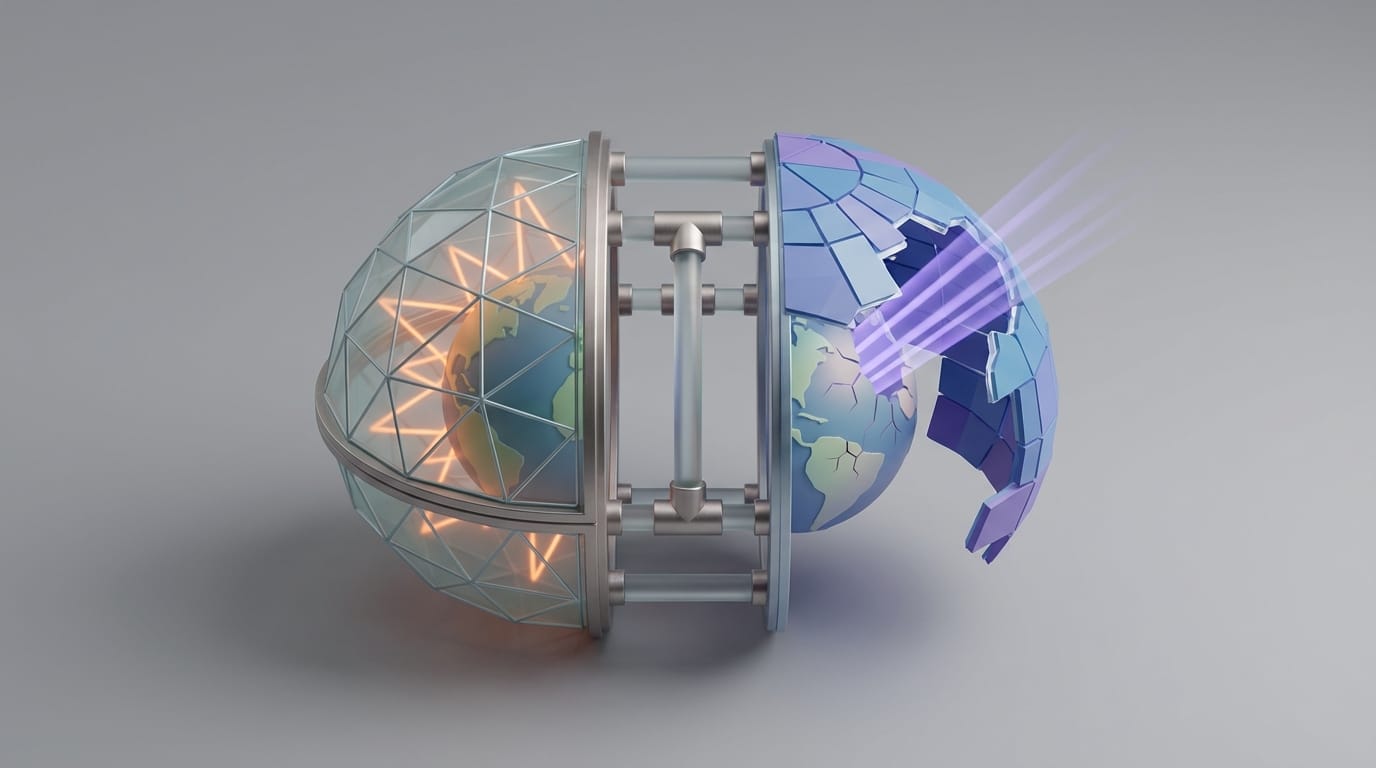
The Distinct Atmospheric Roles of Greenhouse Gases and Ozone
Both events happen in the Earth’s atmosphere. But they work in very different ways. They also touch different kinds of light from the sun. Understanding the greenhouse effect vs ozone depletion is vital. If you mix them up, you will not understand how we protect our climate. You will also miss how we protect life on the ground.
Defining the Greenhouse Effect
The greenhouse effect is a natural process. It keeps the surface of the Earth warm. Without it, the world would be too cold for most life. The average temperature would be about -18°C. Certain gases in the air act like a thermal blanket. These include water vapor, carbon dioxide, and methane. They let sunlight pass through to the ground. Then, they slow down the heat as it tries to escape back into space.
Today, people worry about the “enhanced” greenhouse effect. This happens when humans add too many gases to the air. Factories, cars, and farms release these gases. The “blanket” becomes too thick. It traps more heat than the planet can handle. This process is the main cause of global warming.
Defining the Stratospheric Ozone Layer
The ozone layer is a shield high in the sky. Ozone molecules make up this layer. Nature creates and destroys these molecules in a steady cycle. The main job of this layer is not to control heat. Instead, it works as a filter. It blocks high-energy radiation from the sun.
Ozone depletion means this shield is getting thin. This happens most over the Antarctic. It occurs because of man-made chemicals. When the shield thins, more harmful light reaches the surface. This light can damage the DNA in plants and animals. It also causes health problems for humans. Many people think the “hole” in the ozone causes global warming. This is not true. They are two different problems.
The Radiation Spectrum: Infrared Heat vs. Ultraviolet Light
You can see the difference if you look at light waves. The greenhouse effect vs ozone depletion involves different parts of the “Radiation Spectrum.” One process deals with heat rising from the ground. The other deals with light coming down from the sun.
The Greenhouse Effect and Infrared Radiation
The greenhouse effect is a heat issue. The sun sends short-wave light to Earth. This light passes through the air and warms the ground. The Earth then tries to send that energy back out as long-wave infrared radiation. This is what we feel as heat.
Greenhouse gases have a special shape. They can catch these long-wave heat rays. When a carbon dioxide molecule hits a heat ray, it shakes. Then it shoots the energy out in all directions. Some of that heat goes back down to the ground. This keeps the lower air warm.
Ozone Depletion and Ultraviolet Radiation
Ozone depletion is an ultraviolet (UV) light issue. The sun sends out UV rays. These rays have much more energy than heat rays. They are strong enough to break chemical bonds. This is why UV rays cause sunburns.
The ozone layer catches most of these rays. When a UV ray hits an ozone molecule, the molecule splits apart. Then it quickly builds itself back up. This process turns the dangerous light into a tiny bit of heat. This stops the rays from hitting you on the ground. When chemicals mess with this cycle, the filter gets holes.
Atmospheric Layers: The Troposphere vs. the Stratosphere
The air is not a simple mix. It has different layers. Where an event happens changes how it affects the world. These layers have different pressures and different temperatures.
Where Greenhouse Warming Occurs
The greenhouse effect happens in the troposphere. This is the lowest layer where we live. It is also where weather happens. The air is thickest near the ground. Because of this, most greenhouse gases stay here. The warming you feel happens in this bottom 10 kilometers of the sky.
Data from noaa.gov shows the troposphere is getting warmer. As it warms, it grows slightly larger. This heat stays trapped at the bottom. It does not move up to the higher layers of the sky.
The Location of the Ozone Hole
Ozone depletion happens in the stratosphere. This is the second layer of the air. It sits about 10 to 50 kilometers above us. The “ozone hole” is not a real hole. It is a place where the ozone is very thin. This happens in the middle of the stratosphere.
The troposphere is getting warmer. But the stratosphere is getting colder. This happens for two reasons. First, greenhouse gases trap heat at the bottom. This stops heat from rising to the stratosphere. Second, there is less ozone to catch UV light. Less light caught means less heat is made in that layer. This difference in temperature proves they are two separate systems.
Chemical Drivers and Primary Causes
The chemicals for these two problems are different. They come from different places. They also have different shapes. They act on the air in different ways.
Carbon Dioxide and Methane in Global Warming
Carbon gases drive the greenhouse effect. You release carbon dioxide when you burn oil or coal. Cutting down forests also adds CO2 to the air. Farms and trash piles release methane. These gases are very tough. They can stay in the air for hundreds of years.
These molecules do not attack the air. They just sit there. They pile up over time. They are good at catching and recycling heat. This is why they cause global warming.
CFCs and Halons in Ozone Layer Thinning
Special chemicals called CFCs cause ozone depletion. People made these for fridges and spray cans. They are very stable in the lower air. This allows them to float up into the high stratosphere.
In the high sky, strong UV light hits them. The light breaks the CFCs apart. This release of chlorine or bromine atoms is bad. These atoms act like tiny saws. One chlorine atom can destroy 100,000 ozone molecules. This is a fast chemical attack. It is not like the way heat is trapped by CO2.
How the Two Phenomena Interact
The two systems are not totally separate. They touch each other in a few ways. Some molecules cause both problems. Changes in one layer can also change the other. It is important to look at the greenhouse effect vs ozone depletion together to see the full picture.
CFCs as Dual-Threat Molecules
CFCs cause a lot of confusion. They destroy the ozone. But they are also very strong greenhouse gases. One CFC molecule can trap as much heat as thousands of CO2 molecules. When the world banned CFCs, we helped both problems. We saved the ozone. We also slowed down global warming.
Now we use new chemicals to replace CFCs. Some of these do not hurt the ozone. But they are still strong greenhouse gases. This shows that fixing one problem can sometimes make the other harder. We must pick our chemicals carefully.
The Impact of Stratospheric Cooling
The stratosphere is cooling down. This change can shift high-altitude winds. These winds circle the North and South Poles. When these winds change, they affect the weather below. They can change where storms go. They can also change how fast sea ice melts. The ozone hole does not cause warming. But a cold stratosphere can change how the Earth feels the heat.
The air is one big system. Scientists split these issues up to study them. But the Earth does not see them as separate. A change in the high sky will eventually affect the ground.
Global Policy Successes and Remaining Challenges
We have tried to fix these problems with laws. One fix worked very well. The other fix is much harder. The size of the challenge is not the same for both.
The Montreal Protocol vs. the Paris Agreement
The Montreal Protocol is a great success. Nations signed it in 1987. It told the world to stop using CFCs. Only a few companies made these chemicals. They found new ones to use instead. The switch was fast and clear. You can see how the ozone is healing on epa.gov.
The Paris Agreement tries to fix the greenhouse effect. This is much harder to do. Carbon dioxide comes from almost everything we do. We make it when we use lights or drive cars. We make it when we grow food. To stop CO2, we must change how the whole world works. This is much harder than just changing a few fridge chemicals.
Current Trends in Atmospheric Recovery
Data from nasa.gov shows the ozone layer is healing. If we keep following the rules, it will look better by 2040. The hole over Antarctica will take longer. It might be fixed by 2060. This is because CFCs live for a long time in the sky.
The greenhouse effect is still a big problem. CO2 levels are still going up. Every year the world gets a little warmer. Knowing the difference between these two helps us act. We solved the ozone crisis with a ban. We must solve the climate crisis with a much bigger effort. One win does not mean the other is over. But the ozone success shows that the world can work together to fix the air.