
The Reality of Aluminum Foil Orientation
Home cooks often pause before wrapping a tray to wonder about the shiny vs dull side of aluminum foil, but this common kitchen ritual stems from industrial manufacturing rather than culinary necessity. While the visual difference suggests a functional purpose, the physics of heat transfer shows that for almost every baking task, the orientation of the metal does not matter. The confusion exists because the two surfaces look and feel different, yet their performance in a kitchen environment remains nearly identical.
By looking past the surface aesthetics, we can see the logic of the manufacturing system that produces these sheets. The distinct appearance comes from a process called cold rolling. Factories mill aluminum by passing large slabs of metal through a series of heavy rollers that apply pressure to flatten the material. As the foil becomes thinner, it reaches a point where it could easily tear if the machines processed it as a single sheet.
How the Milling Process Creates Two Textures
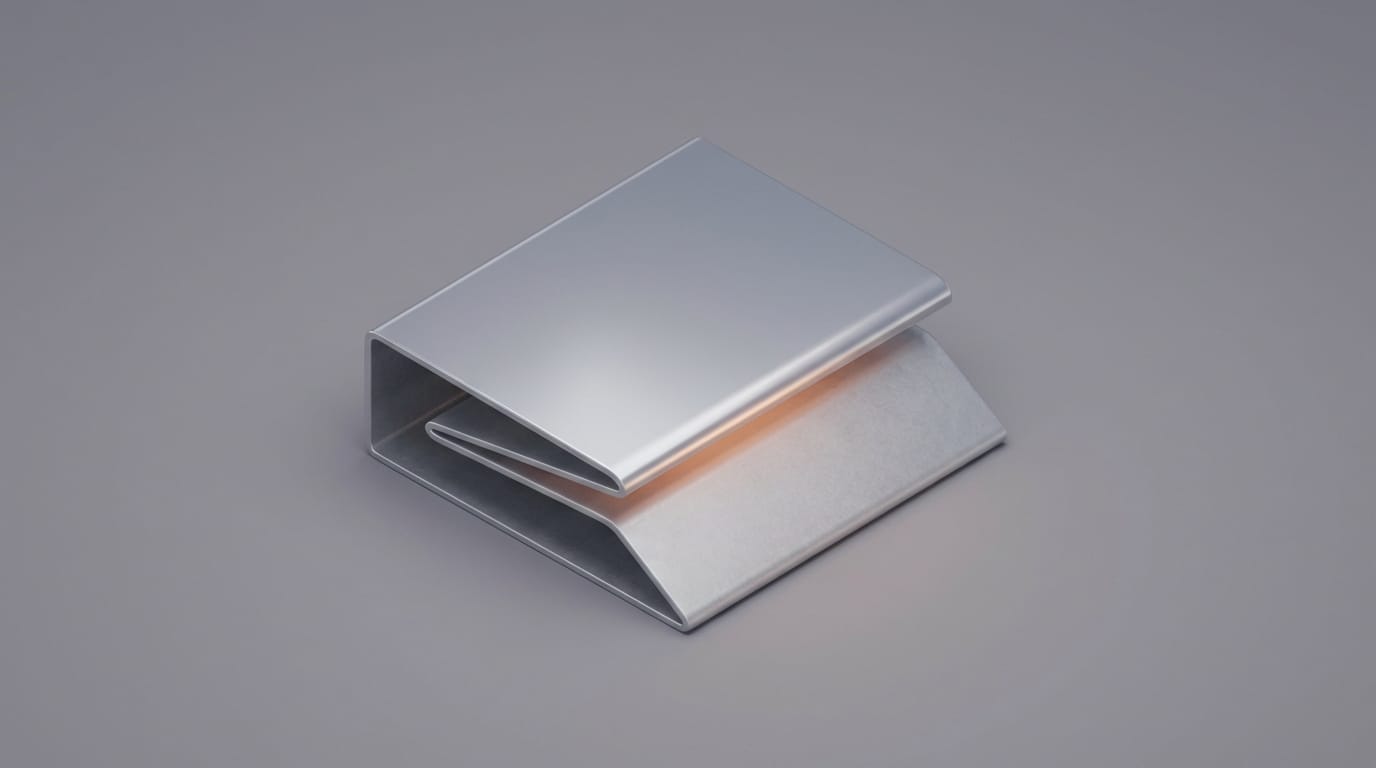
To prevent tearing, engineers feed two sheets of aluminum through the final rollers at the same time. This doubling provides the structural strength needed to reach the thin gauges used in households. Because the metal is compressed together, the way it interacts with the machinery creates two different surface finishes. The side of the foil that makes direct contact with the polished steel rollers emerges with a mirror-like finish. Conversely, the sides of the two sheets that face each other do not touch the rollers (they press against each other instead). This contact creates a microscopic texture that scatters light, resulting in a matte appearance.
Despite these visual differences, both sides remain chemically identical, according to food scientists at EatingWell. They note that the composition is consistent throughout the entire sheet. This is a common pattern in industrial systems where a global supply chain affects product quality by prioritizing manufacturing efficiency over intentional design features.
Heat Transfer Truths in Standard Ovens
In a standard kitchen, heat reaches food through conduction, convection, and radiation. Conduction occurs through direct contact, such as a tray heating the bottom of a potato. Convection involves the movement of hot air around the food. While radiation is present, it is not the dominant force in a preheated oven where the air and walls have reached a stable temperature. Because aluminum is a metal, it has high thermal conductivity and transfers heat quickly regardless of its surface texture.
Whether the shiny or dull side faces out, the metal reaches the temperature of the surrounding air almost instantly. Once the foil is at the target temperature, it conducts that heat to the food with equal efficiency. The difference in reflectivity between the two sides is too small to overcome the influence of the hot air circulating in the oven. Controlled experiments have repeatedly proven that the shiny vs dull side of aluminum foil has no measurable impact on how long it takes to cook a meal.
In rigorous testing, America’s Test Kitchen found no difference in cooking times or internal temperatures when baking potatoes or heating water. The common belief that the shiny side reflects heat back into a roast is a misunderstanding of the scales involved. The amount of energy reflected is negligible compared to the total heat energy conducted through the foil from the surrounding environment.
When the Shiny vs Dull Side of Aluminum Foil Matters
While the side does not change how an oven performs, the shiny side is more effective in applications involving radiant heat. This explains why the myth persists even though it rarely applies to baking. When a system relies purely on reflecting light or infrared radiation rather than moving air, the optical properties of the surface become important. The shiny side has a lower emissivity, meaning it is better at reflecting thermal radiation and worse at absorbing it.
In a solar oven, where you attempt to concentrate sunlight onto a specific point, the shiny side’s higher reflectivity is essential. In these setups, turning the dull side toward the sun would result in less energy reaching the food. This interaction with energy is similar to how certain materials act as wavelength filters by managing energy based on how surfaces interact with light.
The same principle applies to photography reflectors or emergency blankets. In these scenarios, you manage light or radiant body heat rather than oven air. A photographer using foil to bounce light will find the shiny side produces a harder light, while the dull side creates a softer glow. These specific uses are the only places where the orientation of the metal dictates the outcome.
Exceptions for Non-Stick Coatings
The “it does not matter” rule has one major exception: non-stick foil. This product is not just regular aluminum; it features a coating to prevent food from bonding to the surface. Manufacturers apply a food-safe silicone or polymer coating to only one side of the sheet, which is almost always the dull side. Because the coating is invisible, many brands print a reminder directly on the metal. If you place a delicate fish or a tray of lasagna on the shiny side of this specific product, the non-stick properties will not work, and the food will bond to the metal as it would with standard foil.
Practical Tips for Efficiency and Storage
Improving kitchen efficiency is more about air seals than foil sides. A tight seal is the best way to prevent moisture loss and freezer burn. When you use foil as a heat shield to prevent a pie crust from burning, the goal is to block direct radiant heat from the heating elements. While the shiny side is technically better for this, the physical barrier itself is the most important factor. Placing the foil loosely but securely over the areas that need protection will prevent over-browning regardless of the metal’s orientation.
Proper airflow is also vital for consistent results. If you line the entire bottom of your oven with foil to catch drips, you might block the heat vents and interfere with the convection patterns. This can lead to uneven cooking or damage the appliance. Instead, place a small sheet of foil on a lower rack to catch spills. This maintains the balance of heat and airflow while providing the convenience of easy cleanup. Since grocery costs remain a concern for many households, understanding how to manage food supplies efficiently makes these small gains in preservation and energy use valuable.
The physical difference between the two sides of aluminum foil is a byproduct of the factory. Unless you are using a roll labeled “non-stick,” you can stop worrying about which side touches your food. The manufacturing system prioritizes durability and cost, and the metal performs its job regardless of which side catches the light. This allows you to focus on the variables that matter in cooking: temperature, time, and the quality of your seal.