
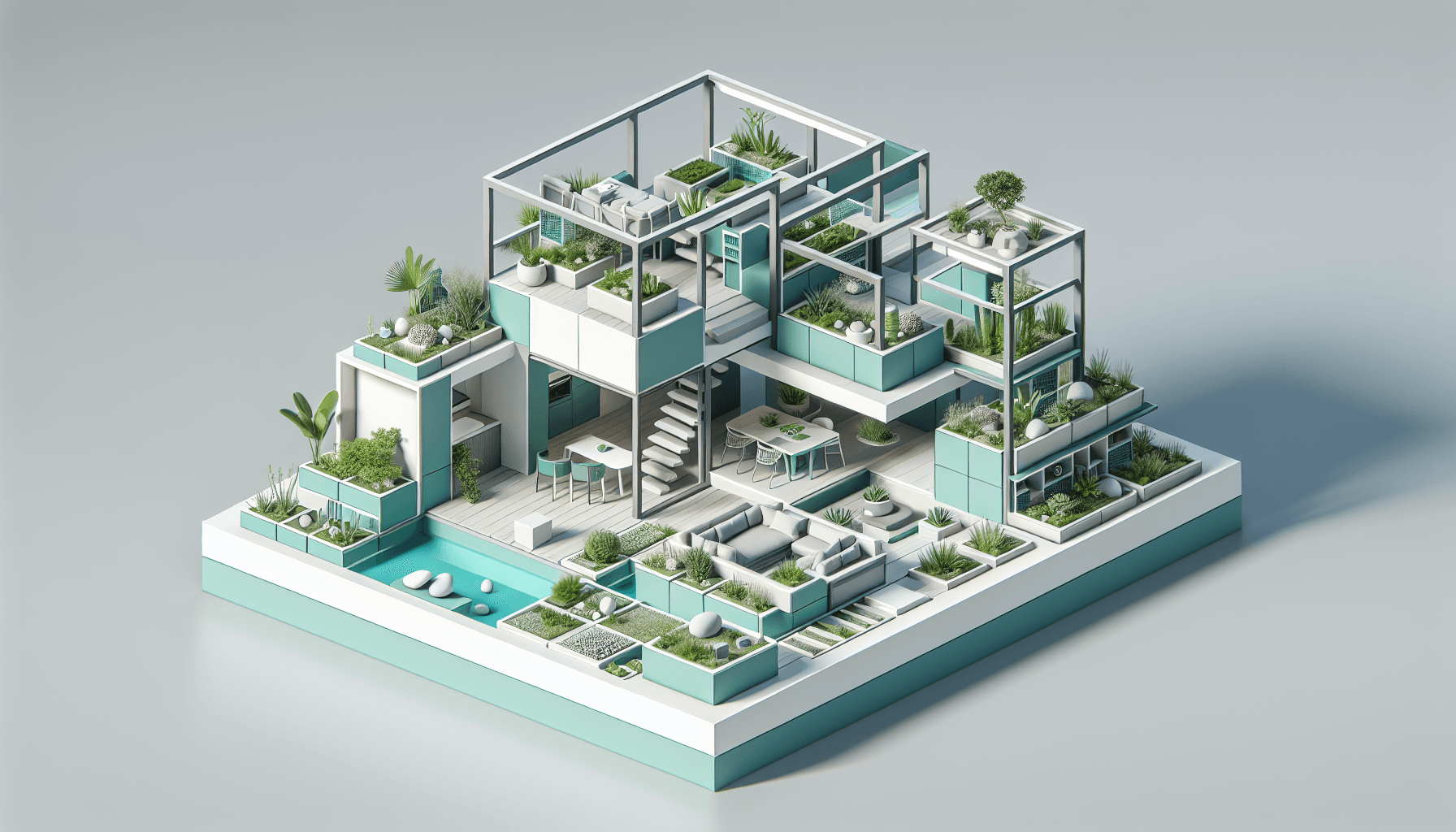
Designing and Building Multifunctional Outdoor Living Spaces
A poorly conceived outdoor space often becomes a maintenance burden that fails to provide utility. In contrast, a planned environment serves as a high-value extension of the home’s footprint. Modern homeowners are increasingly investing in multifunctional outdoor living spaces to bridge the gap between indoor comfort and the restorative qualities of the natural world. This shift requires moving beyond the traditional “patio and grill” mindset toward a systems-based approach to site design.
When we treat the backyard as a series of interconnected modules, we can solve for competing needs: entertainment, privacy, and personal health. The success of such a project depends on understanding how human movement interacts with environmental variables. By applying structural principles to the land, we create environments that are both functionally sound and psychologically beneficial.
Fundamentals of Multifunctional Outdoor Design
Designing for multiple uses within a single footprint requires a rigorous approach to zoning. If a space is intended for both high-energy social gatherings and quiet reflection, those functions must be separated by more than just furniture. We must consider the “flow” of the site—the path a person takes from the interior of the home to various destinations in the yard.
Defining Functional Zones for Cohesive Usage
To prevent a space from feeling cluttered, we categorize zones based on their primary load. A high-traffic “Active Zone” usually contains the kitchen and dining area, typically located closest to the home’s primary entrance to facilitate the movement of supplies. Conversely, “Quiet Zones” or wellness areas should be buffered by distance or vertical elements like privacy screens and dense plantings.
Effective zoning also considers the overlap of these areas. For instance, a transitional “Lounge Zone” with a fire feature can serve as a buffer between a dining area and a private meditation nook. Mapping these traffic patterns ensures that a guest moving toward the seating area does not cross through the work triangle of the person operating the grill.
The Relationship Between Site Topography and Layout
The physical constraints of the land dictate the most efficient layout. A flat site offers a blank canvas but may require tiered decking or raised planters to define zones. Sloped sites, while more complex to engineer, provide natural opportunities for multi-level multifunctional outdoor living spaces.
Designers must also account for solar orientation and wind patterns. A seating area placed in a persistent wind tunnel will rarely be used, regardless of the quality of the furniture. Similarly, an outdoor kitchen facing west without adequate shade becomes unusable during the peak heat of the afternoon. Sun-path diagrams help determine the optimal placement of pergolas and shade structures, ensuring the space remains comfortable throughout the day.
Site Engineering and Structural Requirements
The longevity of an outdoor environment is determined by what lies beneath the surface. While finishing materials receive the most attention, the utility infrastructure and hardscaping foundation are the true determinants of a project’s lifecycle. Engineering these systems requires foresight regarding the expansion of municipal services into the yard.
Utility Infrastructure for Outdoor Kitchens
Modern outdoor kitchen construction involves integrating mechanical, electrical, and plumbing systems. Natural gas lines must be sized correctly to handle the BTU requirements of professional-grade grills. Electrical systems require dedicated GFI circuits for appliances as well as the lighting and automation systems that define modern builds.
Water management is equally critical. Outdoor sinks require a reliable supply line and a drainage solution that complies with local building codes. In many jurisdictions, this means tying into the home’s main gray water system rather than a dry well. For homeowners considering amenities like wood-fired pizza ovens or specialized refrigeration, the utility plan must be finalized before the first paver is laid.
Drainage and Foundation Systems
Water is the primary enemy of structural integrity. Without a robust drainage plan, heavy rainfall can lead to hydrostatic pressure that cracks retaining walls or causes pavers to shift. We prioritize permeable surfaces where possible to allow water to infiltrate the soil naturally. When non-permeable masonry is used, we engineer a specific pitch—typically a 2% slope—to direct runoff away from the home’s foundation and toward integrated French drains or bioswales.
The foundation of the hardscape must account for local soil conditions. Expansive clays or loose sandy soils require different base depths and compaction rates. Using a multi-layered approach—starting with a geofabric liner followed by graduated sizes of crushed stone—ensures that the floor of the outdoor room remains stable through freeze-thaw cycles and heavy usage.
Integrating Wellness Zones and Biophilic Principles
A significant shift in modern site design is the move toward wellness-centric architecture. While many focus on the social aspects of multifunctional outdoor living spaces, there is value in creating zones that leverage biophilic design. This involves incorporating natural elements that satisfy the human tendency to seek connections with nature, which can lower stress levels and improve cognitive function.
Implementing Sensory Gardens for Stress Reduction
A sensory garden is a curated environment designed to engage the senses. This involves selecting species that provide a specific functional benefit. For example, ornamental grasses like Miscanthus create a white noise effect when the wind blows, masking neighborhood sounds. Scent is introduced through lavender or jasmine near seating areas to trigger a relaxation response.
Visual complexity also plays a role. Looking at complex, repeating patterns found in plants like ferns or succulents can reduce eye strain and mental fatigue. By layering these plants at various heights, we create a sense of “prospect and refuge”—a psychological state where one feels protected while having a clear view of their surroundings.
The Mechanics of Cold Plunges and Meditation Nooks
Wellness zones are often anchored by technical features like saunas or cold plunges. Integrating a cold plunge requires a water source, a dedicated electrical circuit for the chiller, and a drainage system for maintenance. Placement is key: it should be secluded for privacy but accessible for daily use, ideally near a transition point where the user can move quickly between temperature zones.
Meditation nooks often use soft boundaries rather than walls. A change in ground material—perhaps moving from stone pavers to a cedar deck or a moss-covered path—signals a transition into a different headspace. These areas are often framed by living walls or vertical gardens, which provide the dual benefit of air purification and acoustic dampening.
Environmental Controls for Multi-Season Functionality
A common failure in outdoor design is seasonal abandonment. To maximize utility, multifunctional outdoor living spaces must remain functional across multiple seasons. This requires a sophisticated approach to environmental control using both passive and active systems to manage temperature and light.
Passive and Active Thermal Regulation
Passive regulation starts with material selection. Darker stones absorb and radiate heat, which is beneficial in cooler climates but problematic in the summer. To counteract this, we use active systems like louvered pergolas. Motorized systems from manufacturers like StruXure can pivot to block the sun while allowing airflow, or close completely to provide a watertight roof during rain.
For colder months, radiant heating is more efficient than portable propane units. A permanent solution involves flush-mounted infrared heaters in the ceiling of a pavilion or under-floor heating cables beneath stone patios. These systems warm objects and people directly, rather than trying to warm the air, making them effective in open environments.
Lighting Systems for Safety and Ambiance
Landscape lighting design is the primary factor in how a space feels after sunset. We avoid floodlighting in favor of layered lighting. This involves task lighting for cooking and stairs, path lighting for navigation, and accent lighting to highlight architectural features or trees.
Control systems are becoming more integrated. Using systems from Lutron or FX Luminaire, homeowners can create lighting scenes that adjust brightness and color temperature based on activity. For example, a “Dinner Scene” might dim perimeter lights while brightening the table, while a “Security Scene” illuminates the entire property.
Materials and Longevity in High-End Construction
Choosing the right materials for a multifunctional space is a balance between aesthetics and long-term maintenance. In an outdoor setting, every material is subject to UV radiation, moisture, and temperature fluctuations. We look for materials that age gracefully or require minimal intervention to maintain their structural properties.
Comparing High-Performance Decking and Masonry
The floor of an outdoor space is its most used surface. Natural stone, such as travertine or bluestone, offers a timeless look and high durability, though it requires sealing to prevent staining. High-performance composites from brands like Trex or TimberTech provide a uniform look with minimal maintenance. These materials are engineered to resist fading and mold, making them ideal for shaded or damp areas where natural wood might rot.
Masonry remains the standard for outdoor kitchens and retaining walls. Using a thin-stone veneer over a concrete block core provides the permanence of traditional stonework with more flexibility in design. When selecting pavers, modular systems from Belgard are designed to withstand high pressure loads while maintaining a sophisticated finish.
Finishing Standards for Outdoor Cabinetry and Furniture
Indoor cabinetry will fail quickly if placed outside. Outdoor-rated cabinetry must be constructed from marine-grade stainless steel or high-density polyethylene (HDPE). These materials are impervious to water and do not warp in the sun. Hardware, including hinges and drawer slides, must be stainless steel to prevent the oxidation that leads to rust-streaking on stone surfaces.
Furniture selection follows similar rules. Fabrics should be solution-dyed acrylics, such as those from Sunbrella, which are resistant to UV degradation and water. The goal is to select a palette that complements the architecture of the main home, creating a seamless visual transition between environments.
Investment Analysis and Property Value
From a property perspective, well-executed multifunctional outdoor living spaces are significant drivers of valuation. In the current real estate market, a backyard is no longer seen as unimproved land but as unfinished square footage. Bringing that area to a finished, functional state can provide a return on investment (ROI) that rivals interior renovations.
Evaluating Return on Investment for Outdoor Renovations
The highest ROI typically comes from features that extend the livability of the home. Outdoor kitchens, permanent fire features, and high-quality hardscaping consistently rank high in appraisal value. However, the value lies in the cohesion of the design. A fragmented yard with disconnected features is worth less than a unified space that functions as a single system.
Buyers also look for invisible value: the quality of the drainage, the capacity of the electrical panel, and the sustainability of the landscaping. Sustainable practices, such as using native plants and efficient irrigation, reduce the ongoing cost of the property, making it more attractive to future owners.
Future-Proofing for Emerging Home Trends
Future-proofing an outdoor space involves integrating technology that can evolve. This includes running extra conduits for future electrical needs and ensuring the home’s Wi-Fi network extends into the yard. Smart home technology is moving outdoors rapidly; integrated speakers from Sonance and outdoor-rated televisions from SunBriteTV are becoming standard in modern builds.
The goal is to create a space that satisfies current needs while remaining adaptable. Whether it is adding a charging station for electric equipment or ensuring the layout can accommodate a future pool, a well-engineered multifunctional space is a dynamic asset. By focusing on site-specific engineering and high-performance materials, you create a system that enhances both quality of life and long-term property value.