
Imagine an operational environment where business processes are perpetually optimized without needing exhaustive human intervention. AI automation agents are no longer a vision for the future; they are currently driving industrial revolutions by learning and adapting dynamically to ever-changing business conditions. These advanced systems are much more than conventional automation—they serve as transformative forces that reshape strategic decision-making and operational efficiency across a spectrum of sectors.
Why is this important? In the quest for maintaining competitiveness and responsiveness in fast-evolving markets, AI automation agents present a distinctive strategic advantage. They elevate customer interactions, streamline complex supply chain mechanisms, and advance data analysis capabilities through intelligent automation, fostering business operations that are more productive and agile. Furthermore, with their cognitive prowess, these agents deliver invaluable insights that refine strategic decisions, unlocking new potential for innovation and expansion.
In the sections ahead, we delve deeper into the capabilities of AI automation agents, examining their capacity to handle intricate workflows across a range of industries. We also explore their architectural design, application potential, and the influential trends steering their future evolution.
Functionalities of AI Automation Agents
AI automation agents are specifically engineered to streamline operational procedures and enhance decision-making frameworks within businesses. These sophisticated systems employ advanced machine learning algorithms to efficiently analyze data, anticipate outcomes, and automate repetitive processes.
Data Processing and Analysis
AI automation agents are exceptionally adept at processing vast data volumes rapidly, converting raw data sets into insightful action points. By integrating machine learning automation strategies, these agents discern patterns and trends that could elude human analysis. For instance, in the retail industry, AI agents scrutinize consumer behaviors to customize marketing strategies, consequently boosting conversion rates.
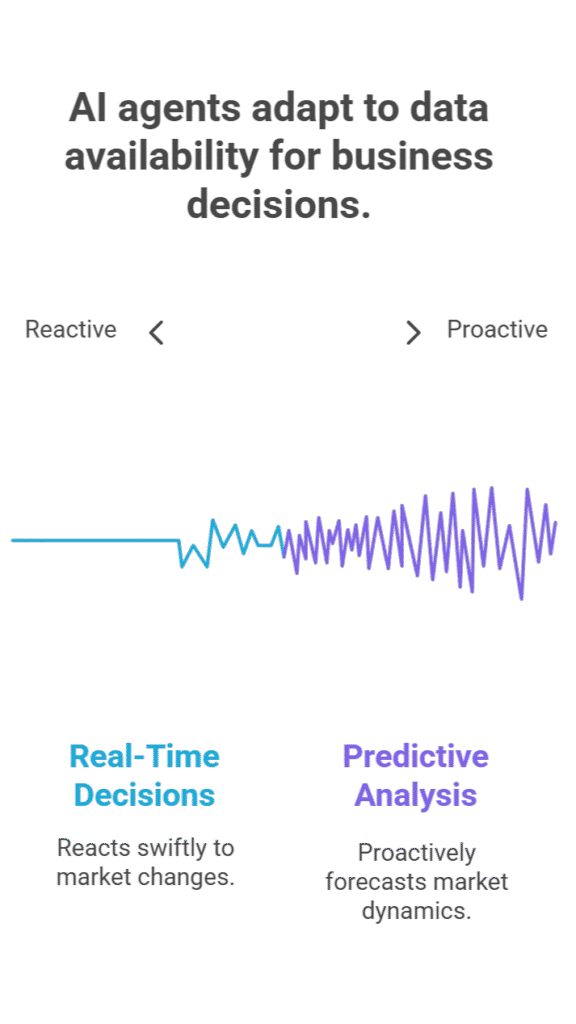
- Real-Time Decision-Making: Armed with real-time data, these agents permit swift, informed decision-making, enhancing the enterprise’s ability to respond to market fluctuations and customer demands timely.
- Predictive Analysis: AI agents possess the capability to forecast market dynamics and customer preferences, enabling businesses to proactively fine-tune their strategies. This predictive prowess allows companies to allocate resources more effectively and focus on high-yield opportunities.
Automating Routine Tasks
These agents automate monotonous tasks, liberating human resources to focus on more strategic roles. This switch not only enhances productivity but also minimizes error propensity.
- Customer Service: Numerous companies deploy AI automation agents within chatbots, addressing initial customer inquiries without human intervention. This boosts efficiency and enriches customer experience through instantaneous interaction.
- Operational Efficiency: In manufacturing, AI agents optimize machinery performance and schedule vital maintenance, reducing downtime and enhancing production output.
These functionalities underscore the transformative potential of AI agents in revolutionizing both operational and strategic business dimensions.
Industry Impacts of AI Automation Agents
AI automation agents are reshaping industry landscapes by offering tailored, innovative solutions to address sector-specific challenges. From finance to healthcare, AI agents effectively optimize processes and deliver substantial value.
Financial Services
The financial sector reaps considerable benefits from AI automation agents, which provide precision and risk mitigation.
- Fraud Detection: AI agents can scrutinize transactions in real-time, identifying fraudulent activities more swiftly than traditional systems. For instance, a major financial institution reduced fraud-related losses by 30% by integrating AI tools.
- Personalized Banking: Through analyzing customer behaviors, AI agents facilitate personalized banking experiences, which in turn promotes higher customer satisfaction and retention rates.
Healthcare
In the healthcare sector, AI automation agents enhance both operational efficiency and the quality of patient care.
- Medical Imaging: AI agents aid healthcare professionals in accurately interpreting medical images, thus reducing the time required for analysis while improving diagnostic precision.
- Supply Chain Management: Hospitals employ AI agents to anticipate inventory requirements, optimizing stock levels and minimizing wasteful expenditures.
Future Potential and Strategic Advantages
The trajectory of AI automation agents promises amplified strategic business value and growth prospects. As these systems evolve, they are expected to offer increasingly profound insights and integration capabilities.
Enhancing Strategic Decision-Making
AI agents will be pivotal in enhancing strategic business planning through advanced analytical offerings.
- Scenario Analysis: Businesses can examine various scenarios and forecast outcomes with minimal risk. This capability drives more resilient planning and promotes agile business models.
- Resource Allocation: AI agents fine-tune resource allocation by prioritizing impactful projects and optimizing asset use for maximum benefit.
Interoperability and Integration
As companies gravitate towards more connected operational frameworks, AI agents are indispensable for facilitating system interoperability.
- Unified Platforms: Integration of diverse business systems via AI creates unified digital infrastructures that enhance collaborative processes across departments.
- Scalability: Companies can achieve smoother operational scaling with AI insights, supporting market expansion while maintaining control over quality and efficiency.
Actionable Recommendations for Businesses
For businesses contemplating AI automation agents, strategic planning and effective implementation are crucial steps to embracing this transformational technology.
Identifying the Right Tools
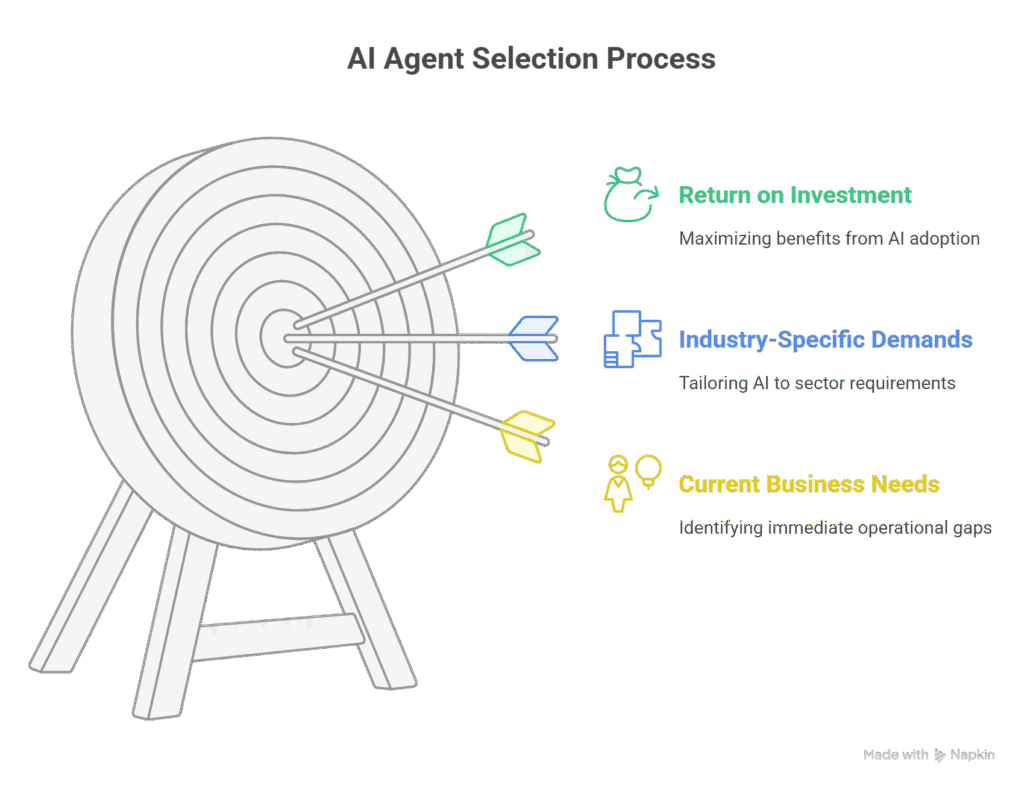
Selecting the most suitable AI agents involves a thorough evaluation of current business needs and potential return on investment. Leaders in the industry provide tailored solutions to meet specific sector demands.
- Consider Vendor Expertise: Collaborate with vendors who boast proven expertise in your industry and offer customizable solutions. Reviewing their case studies can offer insight into their capabilities and past successes.
- Pilot Programs: Implementing pilot projects enables businesses to evaluate AI tools’ effectiveness in a controlled environment before deploying them on a larger scale, allowing for fine-tuning and adjustments.
Overcoming Implementation Challenges
Businesses should anticipate and proactively address potential challenges in AI integration.
- Data Integration: Seamless data integration is vital for AI effectiveness. Investing in robust data management systems will streamline this process and enhance AI performance.
- Change Management: Overcoming resistance to change requires thorough training and clear communication regarding AI benefits, facilitating smoother transitions and fostering an innovative workplace culture.
Conclusion
AI automation agents are fundamentally transforming business landscapes by offering advanced data processing capabilities, predictive insights, and automation of routine tasks, collectively enhancing decision-making and overall efficiency. Industries from finance to healthcare benefit prominently through mechanisms like fraud detection, personalized services, and optimized operations. By transforming raw data into actionable intelligence, businesses can maintain a competitive edge in a rapidly evolving market environment.
Looking forward, the expanding capabilities of AI agents promise greater strategic benefits, with advancements in strategic planning, resource allocation, and systems integration paving the way for more resilient and adaptable business models. For those prepared to embrace this technological surge, selecting the right tools and adeptly managing implementation challenges are paramount. By judiciously adopting AI solutions, businesses can harness improved efficiency and sustain leadership in the digitally-driven future.