
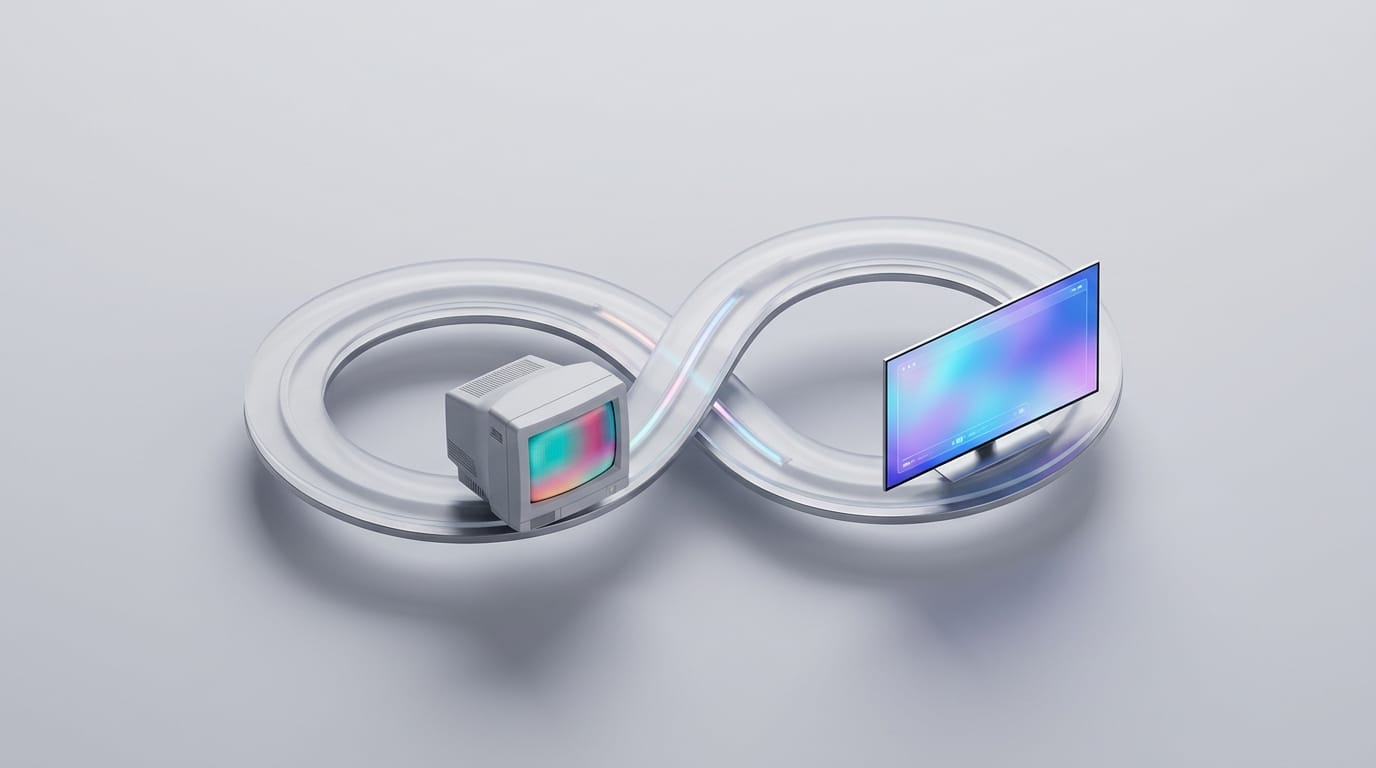
When a design trend begins to feel dated, it rarely enters a final decline. Instead, it typically begins a dormant phase within the 20-year design loop, which is a predictable system driven by generational wealth and a psychological need for comfort. This cycle ensures that visual styles once dismissed as tacky eventually return with a sense of authority. Understanding this loop allows architects and homeowners to distinguish between a fleeting fad and a structural shift in the market. Currently, digital media accelerates this cycle by compressing the distance between eras, yet the underlying mechanics remain tied to human biology and the way we process time. To navigate the future of home design, one must recognize the economic triggers that bring the past back into the present.
Why the 20-Year Design Loop Moves in Predictable Cycles
The 20-year design loop operates on the principle that it takes about two decades for a specific style to move from ridiculous back to relevant. This timeline aligns with a new generation moving into the driver’s seat of the economy. As children grow into adults, the environments of their youth, once viewed as unremarkable, begin to carry the emotional weight of a golden age. They wish to recreate these spaces in their own homes, leading to a resurgence of specific colors, textures, and layouts.
The Biological Basis for Design Nostalgia
Humans naturally lean toward what they know, especially during times of high stress. This event, often called rosy retrospection, causes the brain to filter out the negative aspects of the past while highlighting the sensory comforts of childhood. Design nostalgia acts as a stabilizer by providing a sense of continuity in a fragmented world. Designers use this by reintroducing palettes and shapes that trigger these subconscious safety signals, making a home feel grounded rather than just new.
How Cultural Fatigue Creates Demand for the Past
The constant pursuit of something new eventually leads to collective exhaustion. When a particular look, such as the flat minimalism of the last decade, dominates for too long, consumers develop a resistance to it. The past offers a ready-made alternative that feels fresh simply because it has been gone for twenty years. By predicting patterns in everyday life, we see that the return of retro motifs is more about the natural swing of human preference away from an over-saturated present than a lack of creativity.
How the Spending Power Threshold Reboots Retro Aesthetics
The most critical engine behind the 20-year design loop is the spending power threshold. Trends do not return by accident; they resurface when the generation that first experienced them as children reaches its peak earning years. Between the ages of 35 and 55, individuals typically possess the highest levels of extra income, allowing them to invest in high-end versions of the looks they once associated with their youth. This financial shift transforms memories into market demand.
The Transition from Childhood Memory to Purchasing Power
Today, the leading edge of the Millennial generation has moved firmly into this peak spending window. At the same time, younger groups influence the market through digital consumption. Research shows that Gen Z already directs significant income toward brands with strong storytelling and nostalgic themes. This creates a dual-layer demand where younger consumers want the vibe of the past for its story, while older homeowners want to rebuild their childhood environments with actual quality and longevity.
Elevating Disposable Childhood Objects into Luxury Statements
This threshold allows the loop to elevate. A trend once defined by cheap materials is reborn as a luxury statement. For example, the translucent plastics of the late 90s were originally a budget-friendly way to signal a high-tech future. In the current rotation of the loop, those same shapes reappear in frosted glass, polished resin, and high-grade acrylics. Consumers are not just buying back their past; they are buying the best version of it. This often involves finding heirloom-quality antiques that capture the essence of an era but possess the craftsmanship required for modern daily use.
Adapting Past Motifs for Modern Manufacturing and Lifestyles
When a style returns, it is never a perfect copy of the original. Modern manufacturing forces the 20-year design loop to adapt, blending old shapes with current performance. A home designed today to look like a 1970s conversation pit will use vastly different materials than its predecessor. These new choices prioritize durability and non-toxic make-ups that were not available fifty years ago, ensuring the space functions well for a modern family.
Updating Materials for Contemporary Performance
The primary difference between a vintage piece and its modern revival lies in the technical details. Modern homeowners demand materials that can withstand heavy use without losing the vintage look. For instance, when selecting stone surfaces to match an 80s look, designers now check the Mohs scale for countertops to ensure the material resists scratches and heat. We use the science of the present to solve the structural failures of the past, making nostalgic designs more practical than they ever were originally.
Integrating Modern Technology into Analog Aesthetics
The greatest challenge in the current loop is hiding technology within spaces that look analog. A living room inspired by the 90s needs high-speed data and smart climate control, yet visible gadgets often break the nostalgic spell. The solution lies in unified systems like the Matter protocol, which allows smart home devices to operate locally and discreetly. This ensures the technical infrastructure remains hidden behind the wood grain and textured fabrics, maintaining the old-school look without sacrificing modern convenience.
The Role of Architects and Designers in Curating the Loop
Architects and professional designers act as filters for the 20-year design loop. Their job is to identify which parts of a decade are worth keeping and which were merely temporary fads. By selecting only high-quality architectural motifs, they prevent a home from looking like a kitschy museum. Instead, they create a space that feels timeless. This process involves refining the color palette, where designers take the loud colors of the past and soften them for sophisticated use. They also translate structural ideas, such as open-floor plans, using modern load-bearing solutions that allow for larger spans and better energy efficiency.
This curation process is what allows retro styles to become elevated. Experts often observe that spending power shifts as age groups mature, dictating which trends receive a professional makeover. A trend is often considered ridiculous twenty years after its peak, but by thirty years, it becomes interesting again. The designer’s role is to catch a trend during this transition and strip away the dated elements, leaving only the beautiful core for a new generation to enjoy.
Identifying Which Era the Loop Will Reclaim Next
Forecasting suggests that the 20-year design loop is currently turning its focus toward the late 90s and the early 2000s. As the generation born in the late 80s enters its peak earning years, we see a move away from the hard edges of industrial design. In its place are organic curves, earth tones, and tactile fabrics. This shift stems from a desire for softness after a decade of digital-first, screen-heavy minimalism. People want their homes to feel like a warm retreat from the cold glow of technology.
Analyzing the Return of Late-90s Minimalism
The late-90s brand of minimalism was distinct from more recent styles. It was technological and obsessed with the turn of the millennium. We see this return in the form of stainless steel accents and low-slung furniture. However, current versions of these spaces are warmed up with biophilic design by adding living plants and natural light. This balance allows the original techno-optimism of the era to flourish without making the home feel like a sterile office. It creates a space that feels both forward-looking and deeply comfortable.
The Predictable Shift Toward Earth Tones and Organic Curves
Just as the 70s gave way to the 90s, the cool tones of the last ten years are being replaced by warm neutrals. Browns, terracottas, and olive greens are resurfacing as the dominant base colors. This rotation is predictable based on wealth spread. The consumers currently renovating their forever homes were teenagers when these colors last peaked. They seek the sensory warmth these tones provide, but they apply them to sustainable materials that ensure the look lasts through the next cycle. The 20-year design loop is not a trap that forces us to repeat the past, but a tool for understanding the rhythm of human desire. By recognizing these cycles, we can build homes that are not just trendy for a season, but resilient for decades to come.