
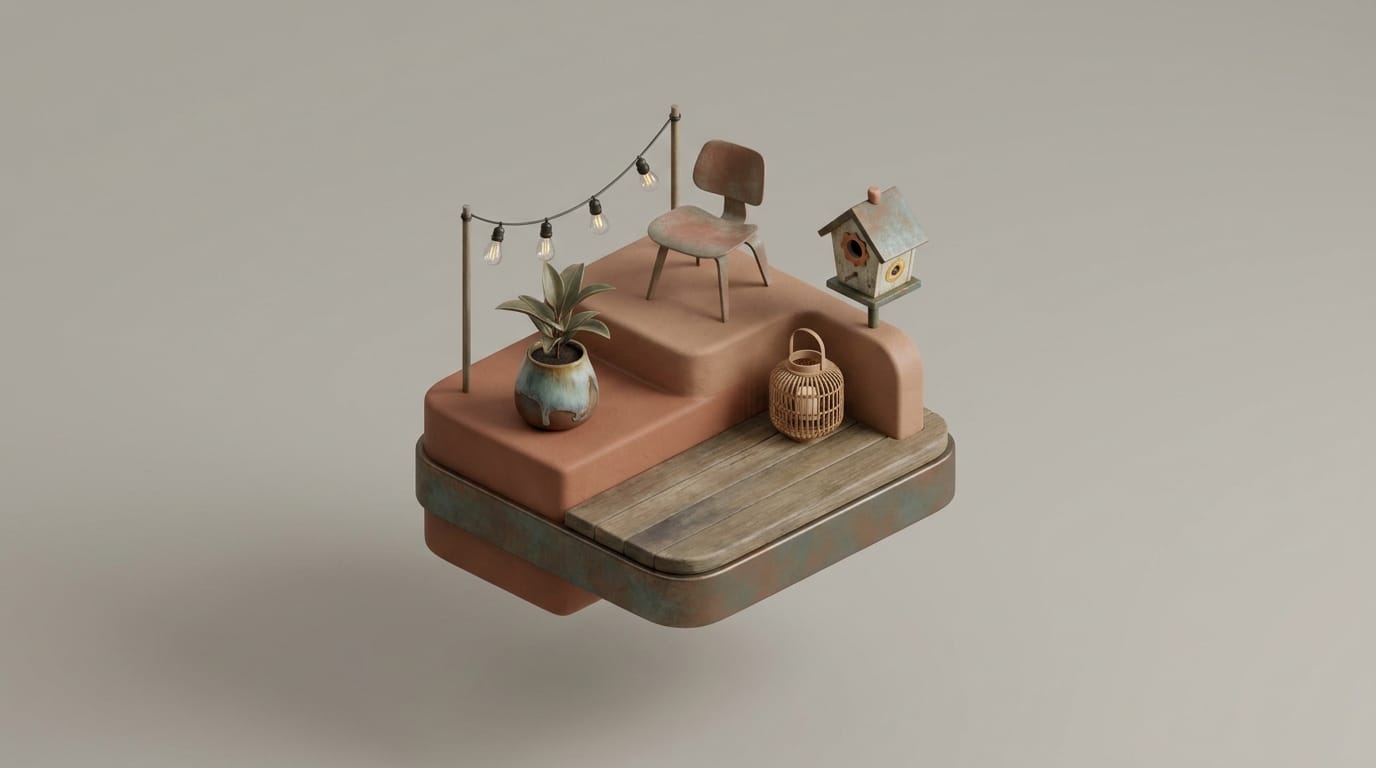
Most outdoor spaces look like generic showrooms because many homeowners choose convenience over the character that only time-worn materials provide. While mass-produced sets offer immediate use, they often lack the strength and beauty required for a truly elevated yard. Designing a high-end exterior requires a shift in perspective, moving away from disposable items and toward the curated acquisition of thrifted patio decor.
By treating the outdoor environment as an extension of the home, you can source pieces that possess a history and feel impossible to find at big-box retailers. This approach does not just save money; it allows for the integration of permanent materials like cast iron, teak, and stone that naturally resist the elements. Success in this system depends on your ability to look past surface-level dirt and evaluate the hidden quality of a find.
The Professional Strategy for Sourcing Secondhand Decor
Professional designers do not browse thrift stores; they scout them. Casual shopping is reactive and driven by whatever happens to be on the floor, whereas scouting is a targeted operation based on a specific material plan. Before you step into a shop, you must define the lines of your space, deciding whether you want the sharp angles of the art deco design movement or a more rustic, European look.
High-end design is rooted in cohesion rather than matching. A professional strategy involves creating a visual plan that dictates what you will accept, ensuring every piece fits the final vision. If you want a minimalist patio, you might hunt specifically for mid-century mesh chairs or concrete planters. By narrowing your focus, you avoid the clutter that happens when different items fail to share a design language. This intentionality is what separates a curated retreat from a disorganized collection of yard sale finds.
The primary difference between a designer and a casual shopper lies in the ability to see through cosmetic failure. A designer identifies the shape of a 1950s wrought iron chair even if it is covered in peeling paint. They prioritize the weight and joints of the piece over its current color. When scouting thrifted patio decor, look for vintage items with heavy frames. While a modern aluminum chair might be light, a vintage equivalent in solid steel or iron will often weigh much more, signaling a superior lifespan.
Technical Material Tests for Identifying High-Quality Thrifted Patio Decor
To ensure your sourced pieces survive more than one season, you must apply technical tests at the point of sale. Many modern items are actually cheap imitations made from low-density plastics or thin metal tubes. These pieces lack the weight to withstand high winds and the stability to resist sun damage.
One of the most reliable secrets for identifying quality metal is the magnet test. Authentic cast iron and steel are magnetic, meaning a magnet will stick firmly to the surface. Most cheap imitations are made from cast aluminum, which is non-magnetic. While aluminum resists rust, it lacks the weight and traditional feel of iron. If your magnet doesn’t stick, you are likely looking at a lightweight reproduction that may blow over in a storm. Wrought iron is specifically known for its strength because it is shaped through physical force rather than molded, according to manufacturing analysis by Patio Productions.
Material density is the ultimate judge of quality in an outdoor setting. The weight check involves physically lifting one side of a table or chair to feel its mass. True high-end vintage furniture uses solid stock rather than hollow tubing. If a large dining chair can be lifted with a single finger, it is a seasonal filler rather than a foundation piece. Heavier items provide a stability that is essential for designing multifunctional outdoor living spaces where furniture must stay in place without anchors or weights.
Sourcing Locations for Unique Outdoor Finds
Where you shop determines the era of the inventory you will encounter. While local thrift shops are excellent for small accents like brass lanterns or clay pots, they rarely house significant furniture. For statement pieces, you must look toward estate sales and salvage yards.
Estate sales in older, established neighborhoods are the best places to find thrifted patio decor. Homeowners in these areas often invested in high-quality garden sets decades ago that have since developed a desirable natural look. Timing your visit is critical; professional scouts often arrive on the final day of a sale when large, heavy items remain because they were too difficult for casual buyers to move. This is your opportunity to acquire heavy stone statues or iron benches at a low cost.
For a truly high-end look, visit architectural salvage yards. These locations specialize in reclaimed building materials like limestone ornaments, weathered copper gutters that can become planters, and vintage wrought iron fencing. These items provide a sense of permanence that retail stores cannot offer. Building a relationship with a yard manager can give you early access to new arrivals, especially if you let them know you are looking for specific materials like aged granite or large terra cotta.
Assessing the Restoration Potential of Thrifted Items
Not every piece of thrifted patio decor should be restored to look new. In many cases, the value of a vintage find lies in its patina, which is the visible evidence of its history. However, structural strength is mandatory. You must decide when to use a preservation approach and when to opt for a total overhaul.
If you find a piece with light surface rust that hasn’t damaged the metal, you can often stabilize it with a clear coat to keep its weathered character. However, if the rust is flaking or creating holes, the item requires a wire brush and a high-quality primer. For wood, the species dictates the strategy. Teak and ipe contain natural oils that allow them to weather to a silver-grey without losing strength; these should usually be left to age or lightly sanded and oiled. Research from Forest Plywood suggests that teak can last over 50 years with minimal maintenance, making it the premier choice for restoration.
Wrought iron joints should be checked carefully. If a weld is loose, a local metal shop can often repair it for a small fee, which is far cheaper than buying a new high-end chair. For teak and cedar, look for small cracks in the grain. While minor cracks are normal, deep splits indicate the wood has dried out too much. These can be filled with epoxy or wood slivers before sealing. For metal sets with extensive damage, professional powder coating is a worthy investment because it provides a finish that is far more durable than spray paint.
Integrating Secondhand Finds into a Modern Space
The secret to making thrifted patio decor look expensive is in the mix. A space filled entirely with old things can look cluttered; a space that mixes vintage frames with modern fabrics looks like a designer showroom. Using a single color palette is the most effective way to bridge the gap between different periods and materials.
If you have a mismatched collection of iron chairs from different eras, painting them all the same deep charcoal or forest green instantly unifies the set. This allows the different shapes to become a design feature rather than a distraction. You can further enhance this by using local home and garden products like regional stone or native plants to ground the furniture in its environment.
Layering is essential for depth. Place a weathered, thrifted stone bench next to a sleek, modern fire pit. The contrast between the rough texture of the stone and the clean lines of the modern element creates a tension that signals a sophisticated eye. If the space feels too crowded, use the ultimate decluttering guide to remove any pieces that do not contribute to the core vision of the patio.
Protecting Your Investment from the Elements
The final stage of high-end design is protection. Because vintage items were often made with materials that require breathing, modern maintenance techniques must be applied carefully. For metal pieces, applying a carnauba-based car wax once a year creates a barrier that prevents water from sitting on the surface and starting rust.
For wood, especially species like acacia or eucalyptus, a UV-resistant sealer is mandatory. Modern sealers use advanced technology to penetrate deep into the wood fibers without creating a plastic-looking film, protecting the piece from sun bleaching while maintaining a natural feel. Proper storage is also vital for delicate items. While heavy iron and teak can stay out year-round, delicate thrifted patio decor like vintage wicker or thin wirework should be moved to a dry area during winter months.
If moving them isn’t possible, use breathable covers. Plastic tarps are a mistake because they trap moisture against the material, creating an environment that speeds up rot and corrosion. Breathable fabric covers allow moisture to evaporate while still blocking the direct impact of rain and snow.
Designing a space with these items is an exercise in understanding materials. It requires you to know the physics of weight, the chemistry of rust, and the visual logic of history. When you move beyond the disposable economy of modern retail, you build an outdoor environment that possesses a tangible sense of place. By applying technical tests and investing in high-quality restoration, you transform secondhand goods into heirlooms. The result is a patio that feels as permanent and considered as the house it serves.