The Shift From Aesthetic Style to Lived Experience
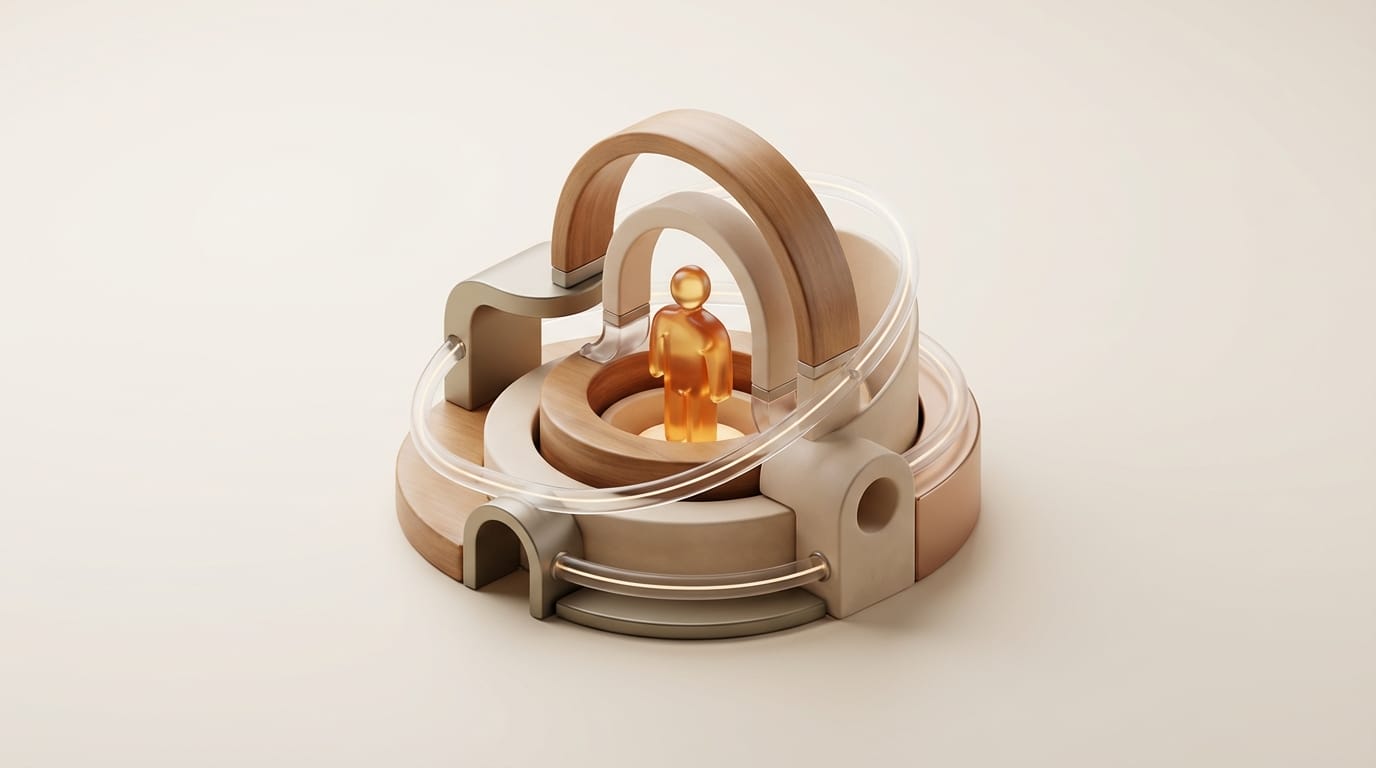
Most homes focus on looks, but the best spaces serve the people inside through every stage of life. Prioritizing human-centered design for spaces allows us to move from static styles to a responsive way of building that values life over visual perfection. When we view a home as a system rather than a group of rooms, we see how the layout shapes our mental health. A house that feels like a museum often fails the user because it serves a portfolio instead of a daily routine. By using systems thinking, we can create homes that meet our current needs and adapt as we grow older.
This approach changes how we measure good design. It is no longer about a trendy color or a pretty front. Instead, it is about how a space helps people connect, rest, and grow. When a home fits the human life cycle, it becomes easier to live in for years. This model lasts longer than traditional homes that require constant, expensive updates to stay modern.
Defining Human-Centered Design in the Built Environment
In architecture, human-centered design puts the needs of the body and mind over simple symmetry. While old methods might focus on a perfect photo of a living room, this method looks at how a kitchen works or how natural light hits a chair in the afternoon. It moves the focus from the eye to the body. This method treats the home as a tool. Just as an engineer looks for friction in software, a designer looks for friction in a floor plan. If the path from the laundry room to the bedroom is messy or long, the system fails the user, no matter how nice the floors look.
Why Trends Fail Where Human Needs Succeed
Visual trends do not last. They often lead to a cycle where a home feels old just a few years after a move. When a house follows a specific style, like the heavy industrial look or extreme minimalism, it feels dated as soon as tastes change. This mismatch makes owners want to tear everything out and start over, which costs a lot of money and hurts the planet. Building waste is a major issue, as construction and demolition make up a large part of waste produced around the world each year.
By focusing on what humans actually need, such as privacy, places to gather, and good sleep, we build spaces that stay useful. A well-placed window with a view of trees is always valuable, while a specific tile color might not be. These choices ensure the home remains a pleasant place to live long after the latest fashion has passed.
Core Principles of Responsive Human-Centered Design for Spaces
Prioritizing Physical Ergonomics and Flow
To make a home easy to move through, designers map the natural paths people take. In a well-planned home, these paths are clear and easy to find. For example, the path from the garage to the kitchen should make carrying heavy bags easy. This might lead to adding a mudroom that handles storage before a person reaches the main living area. Good planning also looks at small details like counter height or where light switches sit. When we design for the body, we make daily life less tiring. This logic is much like the advice found in the ultimate decluttering guide, where the goal is to remove physical blocks to keep the mind clear.
The Role of Sensory Comfort in Wellness
Sensory comfort deals with things we cannot see, such as sound, heat, and light. Modern architecture knows that loud noise from an open kitchen can cause stress. Poor air quality can also make it hard to think. A home built for people uses materials that dull sound and clever layouts to keep the noise of a living room away from the quiet of a bedroom. Lighting is another vital part of this system. Designing for health means getting plenty of sun during the day and using dim lights at night. This follows the same logic used when designing a bedtime routine for adults, where the environment tells the brain it is time to sleep.
A high level of human-centered design for spaces ensures that every sense is considered. When a room stays at a comfortable temperature and stays quiet, the people inside feel more relaxed. This focus on wellness makes the home a place of recovery rather than just a place to store belongings.
The Concept of Emotional Durability in Modern Homes
Designing for Attachment and Meaning
Emotional durability is a vital part of modern design. It asks why we throw away things that still work. In a home, this means measuring how much a person feels connected to their space over time. It is the opposite of disposable buildings where people only care about resale value. Building for the long term means creating rooms that allow for personal stories. It gives owners the power to change their space without needing a construction crew. When a home lets you grow food, show your history, or start a new hobby, you care about it more. This bond makes you less likely to leave for a newer house.
Moving Beyond Disposable Architecture
The quality of materials helps build this bond. Materials that age well, such as solid wood, stone, or brass, develop a look that shows they have been used and loved. Unlike cheap plastics that just break, these natural materials get better with time. They tell the story of the family living there, which creates a sense of history. This choice is also an ethical one. Moving away from mass-produced, low-quality parts helps fight the culture of temporary housing. Choosing items that last is a way to respect the resources used to build the home.
Planning for the Evolving Human Life Cycle
Transitioning from Early Family Life to Aging in Place
A smart home changes as the people inside grow. Modern designers are moving away from rooms that only have one use. A nursery can be built with the power outlets and space needed to become an office or a guest room later. By avoiding features that only work for one age group, the home stays useful for decades. Using universal design also helps. This includes walk-in showers, wider halls, and easy-to-turn door handles. These features do not have to look like they belong in a hospital. Modern design hides these tools so they look beautiful while keeping both toddlers and grandparents safe.
Multipurpose Zoning for Future Flexibility
Flexibility is a great asset in a floor plan. This usually involves using zones instead of solid walls. Sliding doors or rooms that serve many purposes allow a family to open up space for a party or close it off for study. This adaptability is very helpful when designing and building multifunctional outdoor living spaces. These outdoor areas can change from a play zone to a place for dinner as the family gets older. Having a home that shifts with the seasons of life makes it a much better investment.
Practical Methods for Implementing Human-Centered Design
User Mapping for Homeowners and Architects
Before building, it helps to track a normal day. This involves looking at every point of frustration in a current home. If you always leave your keys on the counter because there is no table by the door, the design is missing something. If steam from the shower makes the bedroom feel damp, the airflow needs work. This audit turns vague ideas into a list of tasks. Architects must imagine walking through a drawing to feel what the experience will be like. If the walk from the bed to the coffee maker feels awkward on paper, it will feel awkward in real life. Focusing on human-centered design for spaces early in the process prevents these small daily annoyances from becoming permanent problems.
Selecting Materials Based on Longevity and Tactility
Materials should be chosen for how they feel, not just how they look in a book. The current trend focuses on using honest materials that are exactly what they seem to be. Cork, wool, and natural paints give a room a rich feel that improves the mood. These choices should be about what the user likes to touch rather than a color of the year. Technology should only be used if it makes life easier. Simple systems for heat and light are great, but they should not be too complex. The goal is to make the home assist the person living there, not give them more work to do.
Measuring Success Through Sustainability and Satisfaction
The Environmental Impact of Designing for Permanence
Building things to last is the best way to live sustainably. When a home does not need a full renovation every ten years, we save a massive amount of energy. The building world is learning that the most eco-friendly house is the one that already exists, as long as it can still be used. Research shows that making building materials causes up to 80% of the total emissions linked to construction. By making those materials last longer through better design, we help the environment directly. A home that stays relevant for fifty years instead of fifteen is a win for the planet.
Long-term Livability as the Ultimate Design Metric
A good space is not just about how it looks on moving day. The real test is how it feels after ten years of use. Does it still help you with your hobbies? Does it make your morning easier? Does it feel like it belongs to you? Designers have a duty to think about the long-term health of the person living in the home. Using human-centered design for spaces is an investment in your future self. It ensures the walls we build today can hold the lives we want to lead tomorrow. By focusing on how we move, how we feel, and how we connect to our surroundings, we create homes that are more than just shelter. They become a partner in our growth and a place where we can truly belong. How would your day change if your home was built to solve your smallest problems instead of just showing off a style?