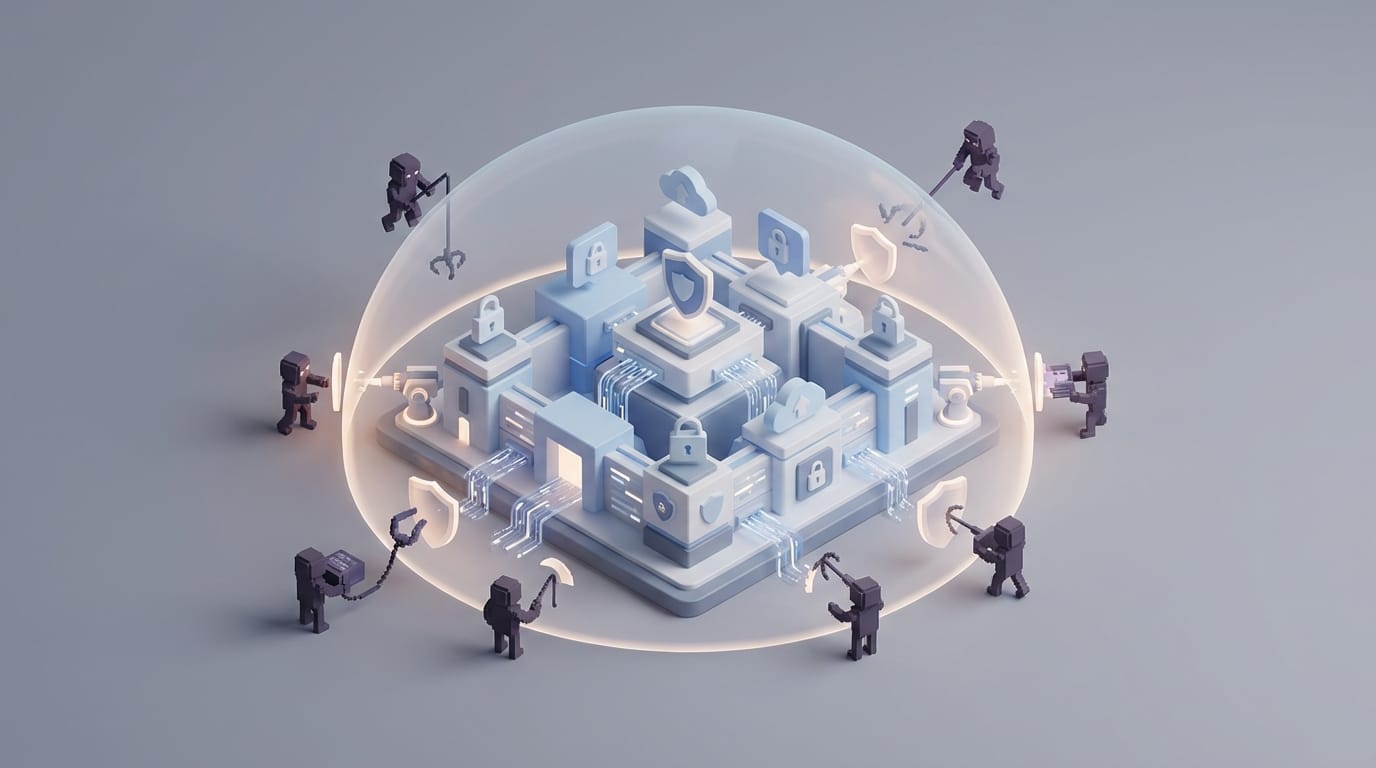
Digital piracy is no longer a fringe activity but a professional industry that often beats legal services in speed and ease of use. To protect their work, creators must recognize that current digital piracy strategies rely on high-speed servers and clean interfaces that bypass old security tools. This shift moves the market away from simple file sharing toward a centralized model of illegal consumption. In 2026, distributors and security experts face a competitor that ignores licensing and rules while providing a smooth experience for the user. When an illegal platform works better than a paid subscription, the defense strategy must change. Understanding how these sites work is the first step in building better systems for the future.
As we look at the technology behind current piracy, we see that illegal groups use the same professional tools as large corporations. This access to high-end tech makes traditional barriers less effective than they were a decade ago. We now live in an era where the quality of the service determines success regardless of its legal status. Therefore, the industry must look past simple encryption to address the infrastructure that makes these sites popular.
The Evolution of Digital Distribution Infrastructure
The move from peer-to-peer (P2P) downloads to centralized streaming sites changed how people steal content. In the early 2000s, BitTorrent led the market; however, it required users to store files and learn complex software. While this model worked for moving data, it was too slow and difficult for the average person to use daily. Most users wanted a faster way to watch movies without managing local storage or waiting for downloads to finish.
From Peer-to-Peer Protocols to Illegal Streaming Platforms
Modern pirates have replaced P2P models with direct download links and streaming sites. These platforms look and feel like Netflix or Hulu because they offer instant playback through any web browser. By hosting content on fast servers, pirates remove the waiting time associated with older methods. This change makes it easy for anyone to access illegal content without technical knowledge.
Centralized servers also let pirate operators organize their libraries with posters, cast lists, and trailers. The setup behind these sites uses a modular design; the front interface stays separate from the video files. This means a site can keep running even if a storage server goes offline. This design follows the same principles of how the cloud works by focusing on uptime and keeping the service available at all times.
The Scaling of High-Speed Content Delivery Networks
Pirate groups use legitimate Content Delivery Networks (CDNs) to hide their main servers and provide high-quality video. By using edge computing, they spread traffic across thousands of locations. This makes it hard for owners to find the source because the data looks like it comes from trusted companies. Additionally, these groups often use hosting services in countries that do not follow copyright laws. These hosts ignore legal requests and provide a steady base for illegal activity.
When pirates combine these hosting services with the power of modern CDNs, they can handle millions of viewers at once. This is common during live sports where thousands of people watch the same stream. Earlier versions of piracy often suffered from buffering and lag, but modern infrastructure ensures a smooth experience. Consequently, the technical gap between a paid service and an illegal stream has almost disappeared.
Technical Barriers and Content Protection Measures
The industry responds to these digital piracy strategies by using complex Digital Rights Management (DRM) systems. These tools try to create a secure path from the server to the user’s screen. However, as encryption gets stronger, the tools to break it also become more advanced. It is a constant cycle of one side building a wall and the other side finding a way over it.
Implementing Advanced Digital Rights Management Systems
Most streaming services use a few main DRM tools, such as Google’s Widevine, Microsoft’s PlayReady, or Apple’s FairPlay. These systems use encryption to stop people from making copies. For example, the highest security levels require the device processor to handle all data in a safe zone. This makes it very difficult for software to capture the video stream as it plays.
Despite these layers, leaks still happen through small weaknesses in the code. Pirates often target lower security versions of DRM used on older phones or computers. Once they find a single key, they can rip content at lower resolutions. For high-definition 4K video, they use hardware tools that sit between the player and the screen to capture the signal. These tools bypass the protection meant to secure the connection between devices.
Forensic Watermarking and Asset Leak Attribution
Since encryption can fail, distributors now use forensic watermarking to track their files. This method places invisible markers into the video during the streaming process. If a movie appears on a pirate site, the owner can scan the file to see which account or device leaked it. This does not stop the theft, but it helps companies identify the source of the problem.
This approach fits into broader data breach prevention strategies that focus on finding the person responsible. While a watermark cannot block a download, it creates a trail that leads to legal action. This is effective for protecting movies before they reach theaters because only a few people have access to the files. Knowing they can be tracked often stops people from sharing content they are not supposed to have.
Why Technical Deterrents Fail Against Modern Digital Piracy Strategies
Technical defenses often fail because they do not solve the user’s need for a simple experience. While owners see a theft problem, many viewers see a service problem. Modern digital piracy strategies succeed because they offer a product that is often easier to use than legal options. If a pirate site provides everything in one place, users will choose it over a dozen different paid apps.
The Competitive Advantage of Unified Pirate User Experiences
Pirate sites act as aggregators by hosting shows from every major service on one page. A user can find movies from five different companies without switching apps or paying multiple bills. This provides a universal search that legal services have not yet matched. Instead of hunting for a show, the user finds it in seconds. This ease of use is a major reason why people continue to use illegal sites.
These sites also invest in design by adding features like skip buttons for intros and automatic subtitle downloads. Because they do not have to worry about corporate rules, they focus entirely on the user. This matches the search filter evolution seen in top tech firms where the goal is to make finding information as fast as possible. When the illegal site feels more modern than the paid one, the legal service loses its edge.
Content Fragmentation and the Rebirth of Illicit Demand
The growth of too many streaming platforms has actually helped piracy grow. As every company starts its own service, the cost for the consumer goes up. People feel tired of managing ten different monthly payments just to watch a few shows. This cost and confusion drive people back to illegal libraries that offer everything for free or a single small fee. Consequently, the industry has created a market where piracy feels like the only convenient choice.
Piracy is usually a service problem rather than a price problem. If a pirate offers a movie globally and the legal owner restricts it to certain countries, the pirate provides a better service. When companies add friction through ads or block users from sharing passwords, they make the pirate alternative look better. The evolution of online video should move toward fewer barriers, but legal platforms often move in the opposite direction.
Legal and Regulatory Countermeasures
When technology and service improvements are not enough, owners use the legal system. In 2026, the primary tool is dynamic site blocking. Unlike old bans that targeted one web address, these orders let owners block new links as soon as pirates create them. This allows the law to keep up with sites that change their names or move to new domains to stay online.
Dynamic Site Blocking and DNS Redirection Protocols
Site blocking happens at the internet provider level. When a user tries to visit a blocked site, the provider sends them to a page explaining the ban. This is a common use of dns digital sovereignty where a country controls what its citizens can see online. However, these blocks are often easy to get around by using a different DNS provider or a Virtual Private Network (VPN).
This creates a game of chase where the legal system follows a moving target. For every site that a court blocks, several new ones appear within hours. These new sites often use different web endings or hidden links to stay ahead of the law. This constant movement shows that digital piracy strategies are flexible and hard to stop with laws alone. The decentralized nature of the web makes it easy for a shut-down site to return under a new name.
Challenges of International Intellectual Property Enforcement
The global nature of the internet makes it hard to enforce laws across borders. Pirate groups often stay in countries that do not have treaties with the West. This gives them a safe place to run their servers without fear of being arrested. Coordinating an international takedown requires many police agencies to work together, which is a slow and expensive process. Even when one group is caught, others quickly take their place to meet the high demand.
Shifting the Defense Toward Service Quality
To beat piracy, companies must focus on building better doors rather than taller walls. If pirates win because they are fast and easy to use, the best defense is to make legal content more accessible. This requires a new way of thinking about how people buy and watch media. Success in 2026 comes from removing the frustration that makes people look for illegal alternatives in the first place.
The most successful legal platforms now use AI to help people find shows across different services. This is a great example of evaluating practical AI integration where tech makes life easier for the user. Additionally, many companies now release movies globally at the exact same time. This removes the reason for people in other countries to pirate a show while they wait for a local release. By making the legal choice the easiest one, companies can win back their audience and protect their work for the long term.