
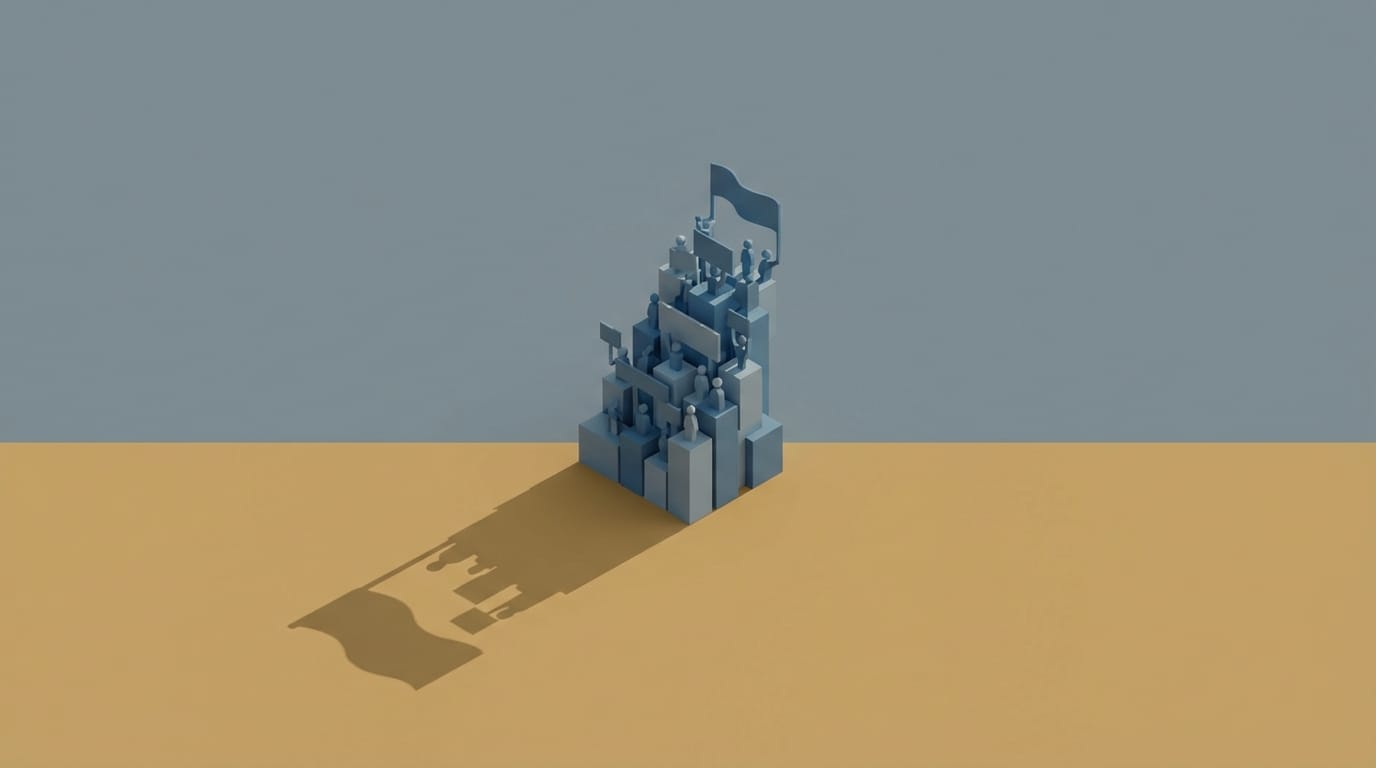
The survival of the Iranian state depends on a fragile mix of economic power and social passion. This alliance, which once built the modern republic, is now splitting along historical lines. To see why dissent lasts, we must look at the history of Iranian protests and the patterns that drive political change in the region. These moments of unrest are not random; they grow from structural pressures that have stayed the same for over a century.
In 2026, the government faces many problems that it inherited from its own founding. The founders built the system to resist foreign threats, but it remains weak against the same internal forces that toppled the Pahlavi family. When different social classes join together, they create the only force strong enough to shift the power of the state. This is not just a fight over ideas or religion; it is a cycle where bad economic choices and social rules combine to force a total restart.
The 1979 Revolution as a Foundation
Many remember the 1979 Revolution as a religious event, but it was actually a masterpiece of bringing different groups together. It succeeded because it unified people who had nothing in common except their hope to remove the King. Marxists, liberals, factory workers, and the clergy all worked together to stop the country from functioning. This broad group created a total shutdown that the state could not survive.
How an Alliance Toppled the King
A single group did not defeat the King; a total collapse of the system did. When oil workers went on strike and merchants closed their shops, the state lost its ability to function. This alliance worked because it connected the educated elite with the working class. It gave the people both a reason to want change and the numbers to fill the streets.
During this time, Ayatollah Khomeini acted as the leader for these different groups. He used simple language that promised social justice to the Marxists and traditional values to the religious. This early unity let the movement grow faster than the state could react. By the time the King realized the danger, the movement had already reached every corner of society.
Closing the Circle of Power
Once the old system fell, the new leaders moved fast to take total control. They began to remove their former allies from the government, starting with the liberals and the Marxists. The open spirit that won the revolution died, and a strict religious structure took its place. The new leaders wanted to make sure no group could ever form the same kind of alliance against them.
By the early 1980s, the state had become much harder to change. The leaders created the Islamic Revolutionary Guard Corps (IRGC) to protect the new system. This was a smart choice for them, as it gave the clergy a loyal army that was separate from the regular military. This move kept the state safe, but it also meant the government began to lose the wide support it had in 1979. The state became smaller and more focused on force rather than popular will.
The History of Iranian Protests: The Power of the Bazaar
In the history of Iranian protests, the Bazaar is more than just a place to buy goods. It represents the traditional merchant class that has long been the heart of the economy. For hundreds of years, the link between the clergy and the merchants was the strongest part of Iranian life. The merchants provided the money, and the clerics provided the moral and legal rules for business.
The Merchants as a Force for Change
The Bazaar acts like a physical social network where news and complaints travel fast. When the Bazaar closes in protest, it tells everyone that the merchants no longer trust the state to manage the money. This is a vital sign for any government; a merchant strike often leads to a much bigger crisis. Historically, these business owners are careful people who do not like to take risks. They only join protests when they feel the cost of staying quiet is higher than the risk of fighting back.
We saw this pattern during the 1906 Constitutional Revolution and again in 1979. In both cases, the state lost the support of the people who paid the taxes and ran the shops. Once that support is gone, the state finds it very hard to maintain order or keep the economy moving.
Economic Pain as a Trigger for Dissent
By 2026, large state companies and the IRGC have taken much of the power from the traditional Bazaar. However, the merchant class still feels the pain of global sanctions and bad local management. High prices and a falling currency are more than just numbers on a page; they make it impossible for people to run a business. This economic pressure forces the merchants to rethink their loyalty to the state.
When the government fails to protect the economy, the old alliance breaks. Today, we see small business owners finding common ground with young protesters. While the youth might want more freedom and the merchants might want lower taxes, they both blame the same people for their problems. This union of different goals is exactly what the state fears most because it looks just like the start of 1979.
Student Movements and the Intellectual Spark
If the Bazaar provides the economic strength, the schools provide the ideas. Iranian universities have long been the center of political talk. These schools are hard for the state to control because they are built to share knowledge and ask questions. This makes them a natural place for protest to grow and spread to the rest of the country.
The 1999 Protests and the Call for Reform
The 1999 student protests were a major turning point in the history of Iranian protests. This was the first time the generation born after the revolution stood up against the state. It began when the government closed a popular newspaper, but it soon grew into a demand for more freedom and honesty in government. The students were no longer satisfied with the old rules and wanted a say in their own future.
These protests showed that the state’s message was not working on the youth. Instead of following the path set for them, the students were creating their own ideas about how to live. The state responded with force, which ended the protests but caused long-term damage. By choosing to fight the students rather than listen to them, the government turned a whole generation against it.
The Cost of Suppressing Campus Life
The state now treats universities as a threat to security rather than a place for learning. They use local militias to watch students and often arrest those who speak out. While this stops immediate protests, it also makes the students more angry. When a system leaves no room for change, people stop trying to fix it and start trying to replace it. The students who led the 1999 protests became the organizers of later movements, having learned that the state would not change through peace alone.
Technology and the 2009 Green Movement
In 2009, the way people protested changed because of the internet. The Green Movement started because people felt the election was a fraud, but it became famous for how it used digital tools. This was one of the first times in the world that people used social media to organize such a large crowd in such a short time.
The Shift to Digital Networking
The 2009 movement used early versions of social media to tell people where to go and what to do in real-time. This let them get around state news and share their own story with the world. For a short time, the state could not control what people were saying. This shift changed the history of Iranian protests by making things happen much faster. The time between a problem and a protest became almost zero.
The state responded by building a digital army to fight back. They started to filter the internet and track people through their phones. While the state eventually stopped the 2009 movement, the digital tools did not go away. Every protest since then has built on the lessons learned during the Green Movement, making it harder for the state to hide what is happening inside the country.
Divisions Within the Elite
The Green Movement was also different because its leaders were people who had been part of the government. This showed that there were deep cracks in the ruling class. When the people who run the system start to disagree, the whole structure becomes shaky. The state put these leaders under house arrest, but the division remains. There are still groups within the clergy and the military that disagree on how to handle the public, and these splits give protesters a chance to move forward.
Patterns in Recent Protest Waves
Looking at the protests of 2017, 2019, and the 2022 movement, a clear pattern appears. These were not just social events; they happened because the youth and the working class felt the same pain at once. The state is now facing the same type of group that brought it to power decades ago.
Economic Hardship and Social Freedom
In the past, the main alliance was between the religious and the rich. Today, the most dangerous link for the state is between young people who want social freedom and workers who want a better life. In the last few years, we have seen factory strikes happen at the same time as street protests. This double attack makes it hard for the state to keep control because it has to fight on two fronts at once.
The youth attack the ideas of the state, while the workers stop the state from making money. This is the same problem that the King could not solve. When the state has to use all its resources to fight its own people, it becomes weak. This weakness makes more people brave enough to join the fight, leading to a cycle that the state cannot easily stop.
The State’s Refusal to Adapt
The history of Iranian protests shows that the state is most at risk when it stops listening to its base. Today, the government relies mostly on the IRGC and a small group of loyalists. It has pushed away the youth, the shop owners, and even some religious people who think the current path is wrong. Instead of fixing the underlying issues, the state has only focused on making its police stronger.
Because the main problems are never solved, the same protests keep coming back. Each wave is more intense than the last. The 2022 movement was special because it used a simple message that everyone could understand. It allowed different groups to join together under one banner, creating a level of unity that the state had not seen in a long time.
The Role of the Global Community and Exiles
People living outside Iran also play a part in this story. They act as a megaphone for the people inside, making sure their voices are heard by the rest of the world. Groups led by historical figures and human rights organizations help keep the movement alive even when the internet is shut down inside the country.
The diaspora provides a way to share news that the state tries to censor. Through satellite TV and the web, they help document the history of Iranian protests for future generations. However, these groups often struggle to stay unified themselves. For a movement to succeed, the people outside must stay in sync with the people on the ground. They must focus on the real needs of those in Iran, such as the cost of food and the need for basic rights.
International groups like the United Nations and Human Rights Watch also watch the situation closely. Their reports provide a record of what is happening, which is important for holding the state accountable. While the government often ignores these groups, their work helps build the case for change on the world stage. Global pressure might not end the system on its own, but it creates the friction that makes internal change more likely.
The history of these movements shows that the state is stuck in a cycle. The same tools it used to take power are now being used by the people who want to change it. Until the government addresses the real needs of its citizens, the system will likely face more intense and frequent protests. The patterns of the past continue to shape the future, and the drive for change remains as strong as ever.