To understand US-Iran relations history, you must look past small fights. You must see a bigger system. Both nations use old pain to stay angry. They are stuck in a cycle of hate. Each side uses the past to justify what they do today.
The Idea of the Mirror Image Conflict
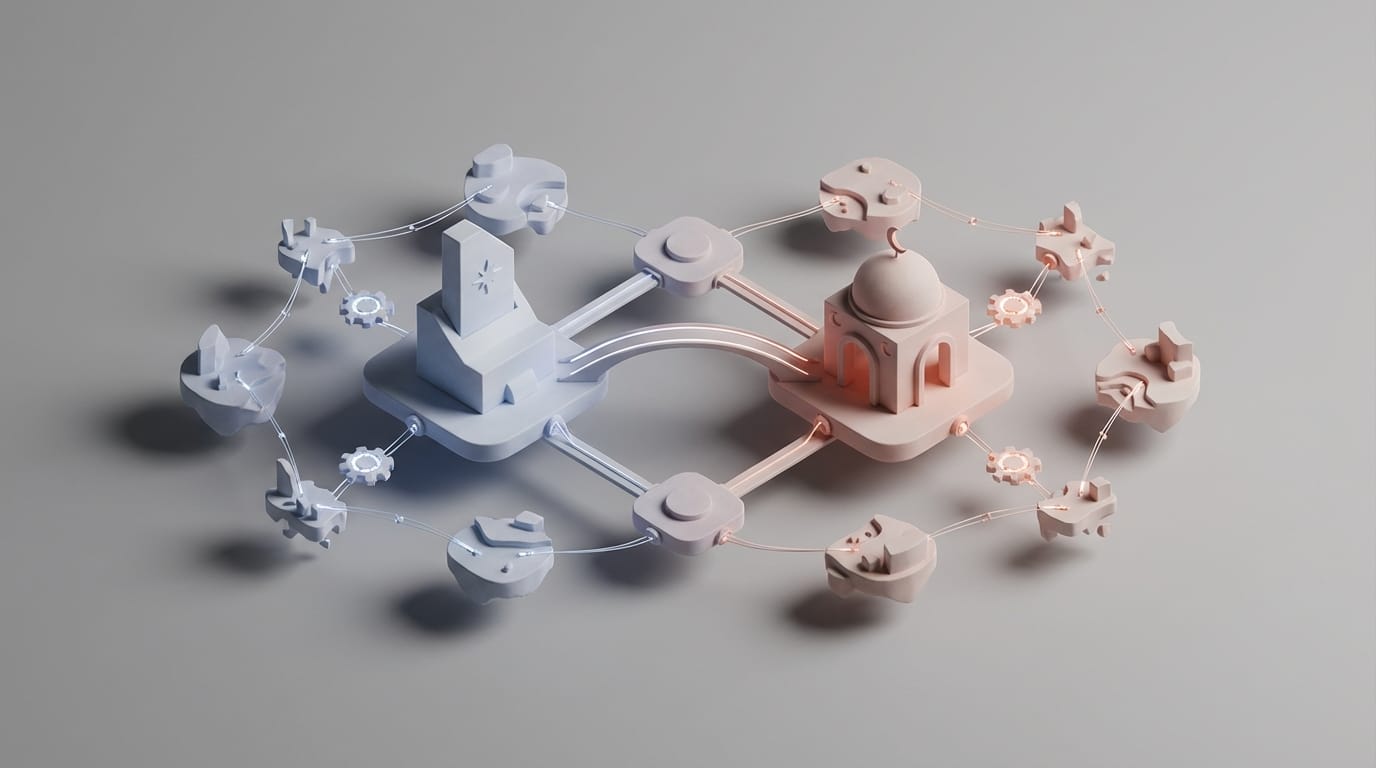
In science, machines often use feedback loops. This happens when the output of a machine goes back to the start. The link between Washington and Tehran works the same way. Experts call this a Mirror Image Conflict. In this model, both nations see the other as a threat. They think their own acts are fair. They think the other side is just mean. This makes it hard to talk.
How Mutual Grievance Started
The United States looks back at 1979. Students took American workers as hostages. This event hurt the US deeply. It changed how American leaders see the world. For Iran, the pain started in 1953. They remember a coup. They see it as the first big American sin. These two dates act like bookends. They stop both sides from trusting each other. You cannot move forward if you only look back.
Old Pain Shapes New Rules
Leaders in both cities need an enemy to stay in power. In Tehran, the guards talk about the Great Satan. This helps them keep control of the money and the people. In Washington, no one wants to look soft. If a leader tries to be nice, they pay a high price. This leads to a policy of high pressure. This pressure proves to Iran that the West hates them. The cycle never stops.
The 1953 Coup and US-Iran Relations History
The trouble did not start with a revolution. It started with oil. Iran has a lot of energy under its ground. In the 1950s, Iran wanted to own its own oil. A leader named Mohammad Mossadegh tried to take it back from the British. This move made the West angry. The CIA and MI6 started a secret mission to stop him.
Operation Ajax and the End of Mossadegh
This mission had a name. It was Operation Ajax. The US and UK threw out the chosen leader of Iran. They gave power back to the Shah. This move helped the West get oil for 25 years. But it cost the Iranian people their freedom. It told Iranians that the US only cares about its own goals. It planted a seed of hate that grew for years.
The Shah as a Cold War Pillar
After the coup, the Shah became a close friend of Washington. He helped the US stop the Soviet Union. The US gave him many things. They sent him guns and nuclear tech. The US Department of State helped train his spies. But the Shah was a hard ruler. He spent a lot of money and hurt his critics. This made his people very angry. This anger led to the big explosion in 1979.
The 1979 Revolution and the Hostage Crisis
The 1979 revolution was a total failure for the US. The Shah lost his throne. A religious leader named Ayatollah Khomeini took over. Iran went from a friend to a foe in one night. This was not just a new government. It was a new way of thinking. One of the top oil producers in the world now hated the West.
The Fall of the King and the Rise of the Republic
Many groups joined the revolution. They all hated that the Shah was a puppet of the US. When the King fled, the religious group took charge. They made hate for the West part of their law. Iran stopped being a partner. It became a state that wanted to spread its new ideas to other nations.
The 444-Day Crisis
In November 1979, students broke into the US embassy in Tehran. They took 52 Americans. They kept them for 444 days. This act ended all normal talk between the two countries. The US started calling Iran a rogue state. For Americans, Iran was a group that would not listen to reason. For Iranians, the embassy was a place for spies. They feared another coup like the one in 1953.
Conflict in the 1980s
In the 1980s, the fight moved from words to guns. Iraq invaded Iran in 1980. The US said it was not taking sides. But the US gave maps and money to Iraq. This was part of US-Iran relations history. The US wanted to make sure Iran did not win. This war killed many people. It made the Iranian leaders even more certain that the US was an enemy.
The War in the Gulf
The fight soon reached the sea. Both sides attacked ships that carried oil. This was called the Tanker War. The US Navy went into the Gulf to protect the oil. This led to a real battle. In 1988, the US destroyed a big part of the Iranian Navy. This was Operation Praying Mantis. These rules of sea combat still exist today. The two navies still watch each other closely in the Gulf.
The Strategy of Proxy War
Iran cannot beat the US in a normal war. So, they use a different plan. They use smaller groups to fight for them. They call this the Axis of Resistance. This lets Iran hit its enemies without a direct fight. They can say they did not do it. This keeps the war away from their own borders.
Building the Axis of Resistance
The Revolutionary Guard runs this plan. They give money to groups like Hezbollah and Hamas. They also help groups in Iraq and Yemen. Iran built a wall of friends from the sea to the desert. This network stops others from attacking Iran. If you hit Iran, these groups will hit back in many places. This keeps Iran safe.
Fights in Lebanon, Iraq, and Yemen
The US and Iran fight for power through these groups. In Lebanon, Hezbollah is very strong because of Iran. In Iraq, groups backed by Iran fight for control. In Yemen, Iran helps the Houthis. This puts pressure on Saudi Arabia. Saudi Arabia is a key friend of the US. These Middle East proxy wars are the main way the two sides fight now.
The Nuclear Fight and the Deal
In the early 2000s, the fight changed. People began to worry about Iran’s nuclear work. Iran said it only wanted power for its cities. The US feared Iran wanted a bomb. This led to years of hard rules. The UN put sanctions on Iran to stop their work.
The Technical Standoff
The fight was about how Iran made nuclear fuel. For Iran, the work was a point of pride. They wanted to show they were a smart nation. For Washington, it was a threat. The IAEA tried to watch the sites. But the problem was not just about science. It was about trust. No one trusted the other side to tell the truth.
The JCPOA Deal
In 2015, they finally made a deal. It was called the Joint Comprehensive Plan of Action. Iran agreed to slow down its work. In return, the West took away the sanctions. It was a big step for peace. But the old mistrust was still there. The US left the deal in 2018. Then, the US put more pressure on Iran. Now, Iran is making nuclear fuel again. The danger is back.
Why Both Sides Like Being Enemies
The fight lasts because it helps leaders at home. In a Mirror Image Conflict, an enemy makes life easy. It lets you tell your people who the bad guy is. This helps leaders keep their power. For many, staying angry is safer than making peace.
The Story in Iran
In Iran, leaders use the US to stop their critics. They say that anyone who wants change is a spy for the West. They call this a soft war. The story of the Great Satan is a pillar of the state. Without an enemy, the government would have to change its whole way of being.
The Story in the US
In the US, Iran is the ultimate bad guy. It is easy for politicians to talk about a rogue state. This makes it hard for any leader to try a new path. If they try to talk, others call them weak. Most US leaders choose sanctions and containment. These are safe choices at home. They do not change Iran, but they look good on the news.
The Future of the System
Today, the US-Iran relations history is still in a state of high tension. Both sides test each other. They see how far they can go without a full war. In 2020, the US killed an Iranian general. Iran fired missiles at US bases. They came very close to a total war. But both sides stopped before it was too late.
Is There a Path to Peace?
To fix the link, both sides must drop their old myths. The US must own the pain of 1953. Iran must stop its proxy wars. Both sides are not ready for this. A big deal seems unlikely today. The two nations do not trust each other enough to take a risk.
A Permanent Cold War
The conflict is now a fixed part of the world. It is a cold war with its own rules. The two sides talk through friends like Oman or Switzerland. They have cycles of being mad and then being quiet. It is a dangerous game. Both sides have learned how to play it. This cycle provides a strange kind of order, even if it is built on fear.