
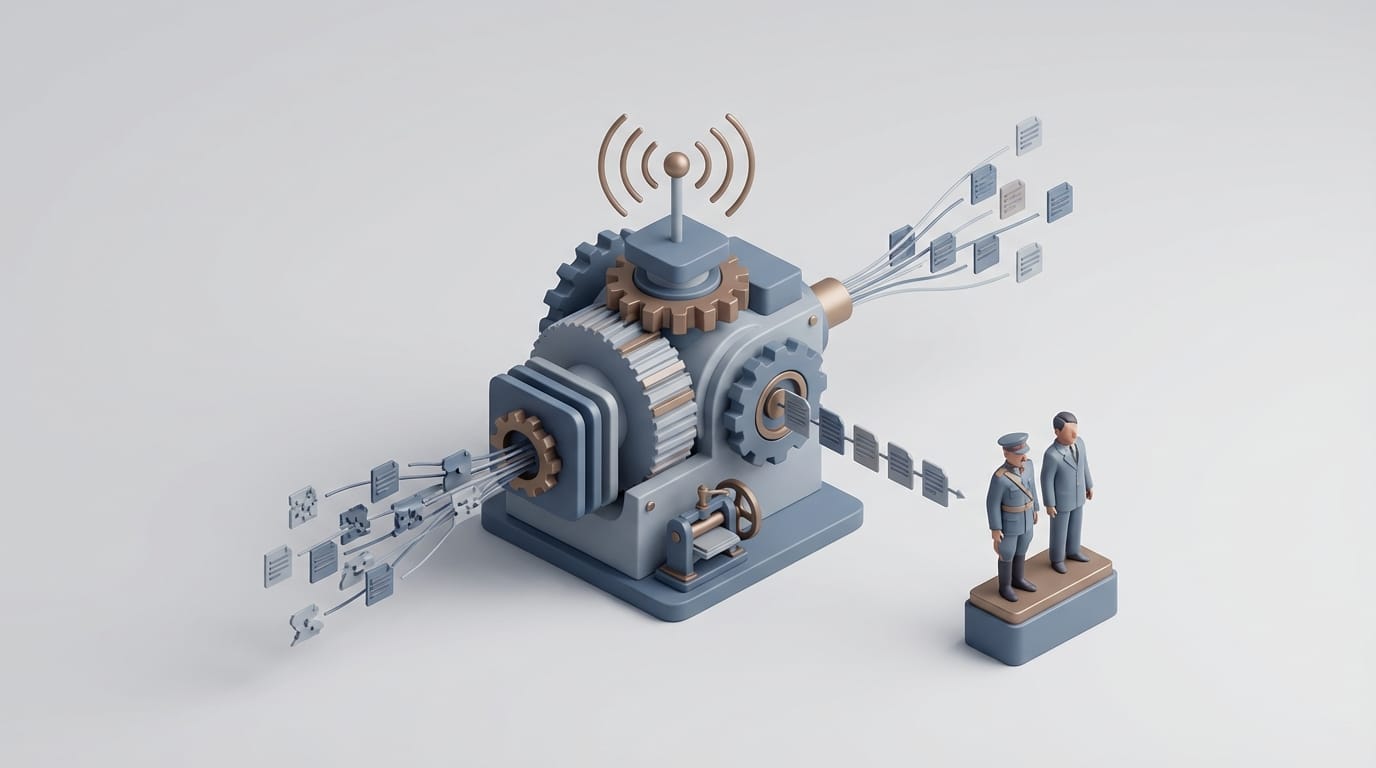
Today, information warfare is not just about telling a lie. It is about destroying our shared sense of what is real. When we cannot agree on the truth, we cannot work together. We must look at how this has changed. It started as simple lies. Now, it is a complex system. It uses the way our brains work against us.
What is Information Warfare?
People often mix up different types of digital attacks. To understand our world, we must see the two layers of conflict. One layer is the machines. The other layer is the mind. These two parts work together, but they have different goals.
Information Operations vs. Cyber Warfare
Cyber warfare deals with bits and bytes. It targets the physical parts of a computer system. It hits servers and power grids. The goal is to break things or steal data. If a hacker shuts down the lights in a city, that is cyber warfare.
Information warfare is different. It targets the meaning of the data. It does not care about the server. It cares about what you think of the message. It tries to change your mind to win a fight. A cyber attack uses a bug in computer code. An information attack uses a bug in the human brain. It uses our natural biases and our need to belong to a group.
The Goals of State Influence
Countries do not run these campaigns to win one argument. They have long-term goals. They want to change how other nations act without using guns. They want to keep their own people calm. They want to distract their enemies. They also want to make it hard for other leaders to make choices.
A state can change the laws of a rival nation by hacking what people see. This is often called “hybrid warfare.” Groups like the RAND Corporation use this term. It means mixing normal war with secret tricks. Information makes a regular army more powerful. Sometimes, it even makes guns unnecessary.
How State Propaganda Began
The systems of influence we see today did not appear out of nowhere. They are the high-tech versions of 20th-century state propaganda. Before the internet, states had one big problem. They had to find a way to get a message to many people at once. They also had to stop other people from blocking that message.
Mass Support in World War I and II
The First World War was the first time states created offices to manage information. The British and the Americans built groups to control their messages. They wanted to move the whole population toward one goal. They wanted every citizen to support the war effort.
In World War II, this system became even more clever. States began to use “black propaganda.” This meant sending out messages that looked like they came from the enemy. The goal was to cause confusion. They did not just want to make their own people feel brave. They wanted to make the enemy feel hopeless and scared.
Radio and the End of Borders
Radio changed how information moved. People could seize newspapers at a border. They could not stop radio waves. These waves moved through walls and over trenches. This created a “borderless conflict.” A state could speak directly to the citizens of an enemy country. Groups like the BBC and Radio Moscow became tools to spread national stories into foreign lands.
Early experts believed in the “injection” theory of communication. They thought they could “inject” a message into an audience to get a certain result. We now know that people are not that passive. However, because the state controlled the radio and the press, they could still control the “truth” for a long time.
The Cold War and Secret Tactics
The Cold War changed the focus. It was no longer about short-term war goals. It was about a permanent fight over ideas. The Soviet Union created a system called “Active Measures.” This was not just about one message. It was about making the enemy’s society weak from the inside.
How to Change Beliefs Over Time
Active Measures worked over decades. The system used a simple rule. About 80% of the content was true and easy to check. Only 20% was a carefully placed lie. This ratio made the source look honest. This helped the lie act like a virus. These operations used front groups like peace clubs or schools. This made the state’s message look like it came from local people.
Operation INFEKTION: Planting a Story
Operation INFEKTION is a famous example of this system. In the 1980s, the KGB wanted people to believe a lie about medicine. They claimed the United States created HIV/AIDS as a weapon. They did not start with a big TV report. They planted the story in a small newspaper in India. Then, other newspapers picked it up. It moved up to bigger news outlets. Soon, the whole world was talking about it.
This showed that a story can grow on its own if you plant it deep enough. The goal was not to win a debate about science. The goal was to make people stop trusting the U.S. government. The success was measured by how much chaos it caused. It did not matter if people changed their laws right away.
The Jump to Digital Tools
Moving from paper to digital changed the cost of information warfare. In the past, these operations were very expensive. They needed many spies and a lot of work. Today, the cost to send a message is almost zero. At the same time, the reach is much bigger.
Removing the Gatekeepers
In the past, states had to get past editors and journalists. The internet removed those barriers. Today, a state can talk directly to you on Facebook or YouTube. A small team with a tiny budget can run a global campaign. They do not need a massive office anymore.
We moved from a “broadcast” model to a “network” model. In a broadcast, one person talks to many. In a network, the audience helps spread the word. State actors create posts that make you feel strong emotions. They rely on you to share and help them. This turns the target population into a free workforce for the enemy.
How Algorithms Help the Aggressor
Modern apps use math called algorithms to show you posts. These systems want you to stay on the app. They do not care if a post is true. They only care if you like, share, or comment on it. Disinformation is built to use this. It uses anger to travel fast. The computer shows the angry post to more people because it gets more attention.
The “attention economy” helps the person who is attacking. Lies often travel faster than the truth. Researchers at MIT found that lies are 70% more likely to be shared than facts. For a state fighting a mind war, the app itself becomes a weapon.
Modern Disinformation Tactics
Modern tactics are fast and loud. They use many channels at once. This system wants to overwhelm your brain. It wants to make it impossible for you to tell what is real.
The Firehose of Falsehood
Experts call current state strategies the “Firehose of Falsehood.” This model has two parts. First, it puts out a huge amount of news. Second, it does not care if the stories match. Old propaganda tried to tell one solid story. The firehose model is different. It hits you with many stories that fight each other.
If a state does something wrong, they might release five different excuses in one day. Some might sound real. Others might be silly. They do not want you to believe any specific one. They want you to get tired. They want you to think that everyone is lying. This makes people stop caring, which helps the attacker.
Finding Your Weak Spots
State actors now use data to find groups of people. They use the same tools as people who sell shoes or cars. They find things that make you worried or angry. Then they make posts just for you to make those feelings worse. They also use “astroturfing.” This is when they use fake accounts to make a small idea look like a huge movement.
These fake accounts create a sense of “social proof.” This means you are more likely to believe something if you think everyone else believes it. Groups like Graphika use tools to map these social networks. They find the best spots to start a lie so it spreads the fastest.
From Persuasion to Paralysis
The biggest change in information warfare is the goal. In the past, it was about making you like a leader. Now, it is about making you stop believing in anything. They want to destroy the idea of truth itself.
Tiring Out the Public
When a society loses its shared facts, it cannot work. Modern operations aim for “epistemic exhaustion.” This happens when the public is hit by so much bad news that they stop trying to find the truth. They stay in their own small groups. In these groups, “truth” is based on who you like, not on evidence.
This is a planned goal. If we cannot agree on basic facts, we cannot make laws. We cannot respond to threats. The whole country becomes stuck. We spend all our time fighting each other instead of fixing problems.
Breaking the Democratic Process
For some leaders, the goal is to make democracy look bad. They want to show that it is messy and slow. They find internal fights and make them louder. They want their own people to see democracy as a disaster. This keeps them in power at home and makes their enemies weak abroad.
The content of the lie is not the most important part. The “noise” is what matters. They want to make the cost of finding the truth too high. When people give up, the state loses its power to act. A cynical population is easier to beat than a focused one.
How to Defend the Mind
Protecting a mind is harder than protecting a computer. The weak spots are human. Technical tools like firewalls only help a little bit. We need a different kind of shield.
The Problem with Fact-Checking
Fact-checking is good, but it has limits. Sometimes, showing people facts makes them angry. They might believe the lie even more to protect their identity. Also, lies move much faster than the people who check them. By the time a lie is proven false, the damage is already done. People have already felt the anger or fear the lie was meant to cause.
Some people use AI to find fake accounts. This is a race that never ends. When the apps get better at finding fakes, the attackers get better at hiding. Groups like the CIA look for foreign influence early. However, there is too much data for them to see everything.
Building Cognitive Security
True safety requires “cognitive security.” We must teach people how to read the news. This is not just a school lesson. It is a matter of national safety. You must understand how you are being targeted. You must know your own biases. You should also know that the first report of a news story is often the least accurate.
The best defense is trust. When you trust your neighbors and your local news, you are harder to trick. We need to be open about who is behind these attacks. Naming the actors can help stop the lie. When we see how the trick is done, it loses its power over us.
“The goal of modern information warfare is not to make you believe a lie. It is to make sure you no longer believe in anything at all.”
We must stay active in our world without becoming cynical. Knowing how these systems work is the first step. If we understand the tools of conflict, we can keep our society strong. We live in an age of digital war. Our best weapon is a clear and careful mind.